Southern Spain whispers secrets that most travelers never hear. While crowds flock to Barcelona’s Sagrada Familia or Madrid’s Prado Museum, Andalusia unfolds its own narrative—one written in Moorish arches, flamenco rhythms, and sun-bleached villages that seem to melt into the Mediterranean horizon. This region stands quietly among the underrated places in Europe, offering a depth of experience that rewards those who venture beyond the obvious. If this region does not attract you, try to understand what region in Spain suits your personality.
This Andalusia travel itinerary reveals a land where three cultures—Muslim, Jewish, and Christian—have left their fingerprints on every cobblestone, creating one of the most culturally layered destinations on the continent. Here, you’ll discover how to move through this region with intention, uncovering both its celebrated monuments and its lesser-known treasures.
Understanding Andalusia’s Geographic Soul
Andalusia sprawls across southern Spain like a study in contrasts. The region encompasses snow-capped Sierra Nevada mountains, endless olive groves, pristine Mediterranean beaches, and arid desert landscapes that have doubled for the American West in countless films. This diversity means your itinerary can shift from alpine hiking to beach lounging within a single day’s drive.
The region’s eight provinces each possess distinct personalities. Seville embodies aristocratic elegance, Granada wears its Moorish heritage proudly, Córdoba contemplates its philosophical past, while coastal areas like Málaga and Cádiz pulse with maritime energy. Understanding these differences allows you to craft an itinerary that matches your travel temperament.
The 10-Day Andalusia Travel Itinerary Framework
Days 1-3: Seville’s Passionate Heart
Things to Do in Seville: Beyond the Cathedral
Begin your journey in Andalusia’s capital, where orange trees perfume narrow streets and flamenco isn’t a tourist attraction—it’s a Thursday night. Seville demands at least three days, though you could easily spend a week peeling back its layers.
Start with the obvious: the Cathedral and Giralda tower form one of Christianity’s largest religious monuments, built atop a mosque that once called Muslims to prayer. The Alcázar palace complex deserves a full morning, its Mudéjar architecture representing the rare moments when cultures collaborated rather than conquered.
But Seville’s magic lives in its neighborhoods. Triana, across the river, remains the heartbeat of flamenco culture. Visit in the evening when locals fill the streets, and you’ll understand why this barrio produced Spain’s greatest dancers. The ceramics workshops here have operated for centuries—watch artisans hand-paint tiles using techniques unchanged since the 16th century.
Hidden Flamenco Venues and Local Markets
Skip the tourist tablaos and seek out peñas—private flamenco clubs where locals gather. Casa Anselma in Triana operates without a sign or schedule; you simply show up, squeeze into the tiny space, and witness flamenco in its purest form. No choreography, no costumes—just raw emotion transmitted through voice, guitar, and footwork.
The Feria Market on Thursday mornings reveals Seville’s collector soul. Vendors spread antiques, vintage cameras, old maps, and curiosities across Plaza del Cabildo. It’s where you’ll find that perfect piece that carries a story back home.
Days 4-5: Córdoba’s Contemplative Interlude
Two hours by train from Seville, Córdoba offers a quieter, more introspective experience. The Mezquita-Catedral stands as architecture’s most powerful argument for cultural fusion—a mosque-cathedral that refuses to choose sides, instead embodying both traditions simultaneously.
Walk the Judería (Jewish Quarter) in early morning before tour groups arrive. The maze of whitewashed alleys, flower-filled patios, and intimate plazas creates a meditative space that encourages slow exploration. The synagogue, one of only three remaining in Spain from before the 1492 expulsion, speaks volumes through its modest size and exquisite Mudéjar details.
Days 6-8: Granada’s Moorish Masterpiece
Things to Do in Granada: The Alhambra and Beyond
Granada deserves its reputation, but most visitors experience only a fraction of its depth. The Alhambra stands as the crown jewel of Islamic architecture in Europe—a palace complex so breathtaking that it inspired Washington Irving’s “Tales of the Alhambra” and continues to leave visitors speechless centuries after its construction.
The Alhambra isn’t a single building but rather a sprawling complex that encompasses palaces, gardens, fortifications, and a small city. The Nasrid Palaces represent the artistic pinnacle, where every surface displays intricate geometric patterns, calligraphy, and arabesques that demonstrate Islamic art’s mathematical sophistication. The Court of the Lions, with its marble fountain supported by twelve stone lions, creates a meditative space where water, light, and architecture harmonize perfectly.
The Generalife gardens extend beyond the main palace complex, offering terraced landscapes where Moorish rulers once escaped summer heat. Water features everywhere—fountains, channels, pools—all fed by an ingenious hydraulic system that still functions after 700 years. Visit in spring when roses bloom, or in early morning when mist rises from the gardens and you might have entire sections nearly to yourself.
Plan a full day for the Alhambra, as rushing through diminishes the experience. The complex requires walking several kilometers across varied terrain, and the artistry demands time to appreciate properly. Audio guides help decode the symbolism and history embedded in every decorative element.
Critical planning note: The Alhambra limits daily visitors to protect the site, and tickets sell out weeks or months in advance, especially for the essential Nasrid Palaces section. Book your tickets as early as possible through the official Alhambra website or through authorized tour operators if official tickets are unavailable. Your ticket includes a specific time slot for the Nasrid Palaces—arrive on time, as entry is strictly enforced.
The Sacromonte Caves and Authentic Flamenco
Sacromonte, Granada’s gypsy quarter, clings to a hillside in a collection of cave dwellings that still house families today. This neighborhood developed its own flamenco style—more rhythmic and percussive than Seville’s emotional intensity. Evening zambra performances in candlelit caves feel less like shows and more like invitations into someone’s home.
For a different perspective, hike to San Miguel Alto in late afternoon. The trail climbs above Sacromonte, offering panoramic views of the Alhambra, Sierra Nevada, and the city spread below. Stay for sunset when the Alhambra’s red walls justify its name (“The Red One” in Arabic).
Days 9-10: The Costa del Sol’s Unexpected Depth
Things to Do in Nerja: Where Mountains Meet Mediterranean
The Costa del Sol suffers from reputation problems—too developed, too touristy, too British. But venture to Nerja, and you’ll discover one of the hidden gems in Europe that somehow escaped mass tourism’s homogenizing effect.
Nerja maintains an authentic Andalusian character despite its coastal location. The Balcón de Europa, a promontory jutting into the Mediterranean, offers views that rival anything on the Amalfi Coast without the crowds or prices. Walk east along the cliffside path to discover a series of small coves and beaches accessible by steep staircases cut into the rock.
The Cuevas de Nerja (Nerja Caves) represent one of Spain’s most impressive geological sites. These caverns extend for nearly five kilometers, featuring stalactites and stalagmites of cathedral-like proportions. Archaeological evidence suggests humans sheltered here 40,000 years ago, making it one of Europe’s longest-inhabited sites.
Frigiliana: A White Village Frozen in Time
Just eight kilometers inland from Nerja, Frigiliana cascades down a hillside in a tumble of whitewashed houses, flower-draped balconies, and cobblestone lanes too narrow for cars. This pueblo blanco (white village) has earned recognition as one of Spain’s most beautiful villages, yet it remains refreshingly uncommercial.
Walk the Barribarto quarter, the Moorish old town, where street signs share historical facts about the last Muslim rebellion in Spain. Stop at a local bar for a glass of sweet Málaga wine and honey-drizzled goat cheese—a flavor combination that’s sustained this region for centuries.
Practical Wisdom for Your Andalusia Travel Itinerary
Transportation Strategies
Andalusia’s cities connect efficiently via train, with frequent AVE high-speed services linking Seville, Córdoba, and Málaga. However, to access smaller villages and coastal areas, a rental car becomes necessary. Consider a hybrid approach: train for city-to-city travel, then rent a car for a few days to explore rural areas.
Driving in Andalusia rewards patience. Mountain roads wind dramatically, village streets challenge modern vehicle dimensions, and parking in historic centers often requires walking from distant lots. But this slight inconvenience grants access to experiences impossible otherwise.
Seasonal Considerations
Spring (April-May) and fall (September-October) offer ideal conditions—warm but not scorching, with manageable crowds and full cultural calendars. Seville’s April Fair and Córdoba’s Patio Festival occur in late spring, offering immersive cultural experiences.
Summer (June-August) brings intense heat, particularly inland. Temperatures routinely exceed 40°C (104°F) in Seville and Córdoba. If visiting in summer, adopt local rhythms: early mornings for sightseeing, long afternoon siestas, and late-night dinners when temperatures finally drop.
Winter (November-March) presents a different Andalusia—quieter, sometimes rainy, but with rare opportunities to see the Alhambra dusted with snow or enjoy heated terrace time without crowds.
Andalusian Cuisine Navigation
Andalusia’s food culture revolves around sharing. Order multiple tapas rather than individual entrees, and understand that dining happens late—lunch peaks at 2-3 PM, dinner rarely begins before 9 PM.
In Seville, seek out salmorejo (a thicker, richer cousin of gazpacho), espinacas con garbanzos (spinach with chickpeas), and anything featuring Iberian pork. Granada famously offers free tapas with every drink—order at the bar rather than sitting at tables to participate in this tradition.
The coast specializes in pescaíto frito (fried fish), served in paper cones for informal eating. In mountain villages, game dishes and hearty stews reflect harsher climates and agricultural traditions.
Beyond the Main Route: Essential Andalusia Destinations
Málaga: Where Ancient History Meets Contemporary Culture
Málaga has transformed from a gritty port city into one of Spain’s most dynamic cultural destinations, yet it remains surprisingly overlooked in most Andalusia travel itinerary planning. This coastal capital combines Roman theaters, Moorish fortresses, and Picasso’s birthplace with a thriving contemporary art scene and some of the region’s best beach access.
The Alcazaba fortress and Gibralfaro castle crown the city’s hillside, offering panoramic views across the Mediterranean. Below, the historic center pulses with life—tapas bars spill onto pedestrian streets, the Mercado Central overflows with fresh seafood, and over 30 museums (including branches of the Pompidou and Thyssen collections) have earned Málaga recognition as Spain’s “City of Museums.”
What makes Málaga special for travelers is its authenticity. Despite growing tourism, this remains a working city where locals vastly outnumber visitors. The beaches stretch for miles in both directions, the maritime promenade invites evening strolls, and the dining scene rivals anything in more famous Spanish cities—all at more accessible prices.
Marbella: Beyond the Glamour to Authentic Andalusian Charm
Marbella carries associations with luxury yachts and celebrity sightings, but the city contains multitudes beyond the Golden Mile’s opulence. The Casco Antiguo (Old Town) preserves a traditional Andalusian heart that predates the resort development by centuries.
Wander Plaza de los Naranjos, where orange trees shade outdoor cafés and whitewashed buildings adorned with geraniums create perfect photo opportunities. The narrow streets radiating from this square house family-run restaurants, artisan shops, and small galleries that feel worlds away from the beachfront glitz.
For those seeking coastal beauty without crowds, Marbella’s extensive coastline includes quieter stretches beyond Puerto Banús. The beaches near Cabopino feature pristine sand dunes and crystal-clear water, while the coastal path offers scenic walks with mountain backdrops.
Cádiz: Europe’s Oldest City and Andalusia’s Best-Kept Secret
Cádiz occupies a unique position in any Andalusia travel itinerary—it’s simultaneously one of Europe’s most historically significant cities and one of its least touristy major destinations. Founded by the Phoenicians around 1100 BCE, this Atlantic port has witnessed every Mediterranean civilization, yet it maintains an unpretentious, lived-in character that larger Spanish cities have lost.
The city juts into the ocean on a narrow peninsula, surrounded by water on three sides. This geography creates a distinct atmosphere—salty breezes, brilliant light reflecting off whitewashed buildings, and a maritime culture that permeates every aspect of local life. The beaches within city limits rival resort destinations, particularly La Caleta, where you can swim with a view of two historic fortresses.
Cádiz’s old town tangles into a labyrinth of narrow alleys that open suddenly onto sun-drenched plazas. The Barrio del Pópulo, the oldest neighborhood, contains Roman theater ruins you can walk through freely. The covered market (Mercado Central) showcases the city’s seafood obsession—locals gather here for ultra-fresh fish served at standing-room-only bars.
What distinguishes Cádiz most is its authenticity. Tourism represents a small fraction of the local economy, so the city functions primarily for its residents. Restaurants serve local specialties like tortillitas de camarones (shrimp fritters) without menu translations, shops close whenever owners feel like it, and February’s Carnaval transforms the entire city into a weeks-long street party that rivals Rio’s famous celebration.
The White Villages: Andalusia’s Mountain Jewels
The pueblos blancos (white villages) scattered across Andalusia’s mountain ranges represent some of the most photogenic and culturally preserved destinations in southern Spain. These settlements cling to dramatic hillsides, their whitewashed houses cascading down slopes in tumbles of geometric beauty that seem almost too perfect to be real.
Each white village possesses its own character and history. Ronda, the most famous, straddles a dramatic gorge spanned by the Puente Nuevo bridge—a marvel of 18th-century engineering that drops 120 meters to the river below. The town’s history as a bullfighting center and its stunning setting make it a must-visit, though increasing tourism has changed its dynamics.
For more authentic experiences, venture to lesser-known villages. Grazalema, nestled in Spain’s rainiest spot, maintains traditional wool-weaving workshops and serves as a gateway to spectacular hiking in the Sierra de Grazalema Natural Park. Zahara de la Sierra, reflected in the turquoise reservoir at its base, offers stunning views and a medieval castle that requires a steep climb but rewards with panoramic vistas.
Arcos de la Frontera commands a limestone ridge with sheer drops on multiple sides, creating one of Andalusia’s most dramatic urban landscapes. Park outside the old town and walk the narrow streets where houses seem to balance on cliff edges, offering vertiginous views across olive-covered plains.
These villages share common architectural elements—dazzling white walls that reflect intense summer heat, red-tiled roofs, iron balconies overflowing with geraniums, and maze-like street layouts inherited from Moorish times. They also share a slower rhythm of life that provides welcome contrast to cities’ intensity.
Hidden Gems in Andalusia: Landscapes Beyond the Cities
Sierra Nevada Mountains and Trevélez: Europe’s High Country
The Sierra Nevada mountain range creates a dramatic backdrop across Granada province, its snow-capped peaks visible from beaches just 50 kilometers away. This proximity of alpine and Mediterranean environments makes the region unique in Europe—you can ski in the morning and swim in the sea by afternoon.
Beyond winter sports, the Sierra Nevada offers phenomenal hiking and a collection of mountain villages that preserve ancient traditions. Trevélez, perched at 1,476 meters above sea level, claims distinction as Spain’s highest village. This elevation creates the perfect conditions for curing jamón serrano—the village’s economic foundation for centuries.
Visit Trevélez for more than just the famous ham. The village cascades down the mountainside in three distinct barrios (neighborhoods), connected by steep cobblestone streets that challenge modern vehicles. The air here carries a crystalline quality, views extend across valleys to distant peaks, and the pace of life moves to mountain rhythms unchanged by modernity.
The Sierra Nevada’s hiking trails range from gentle valley walks to challenging summit attempts. The Mulhacén peak (3,479 meters) represents mainland Spain’s highest point, accessible via full-day hikes from various starting points. More moderate trails wind through the Alpujarras region on the range’s southern slopes, connecting white villages through landscapes of terraced fields, chestnut forests, and rushing streams.
Cabo de Gata-Níjar Natural Park: Andalusia’s Desert Coast
Cabo de Gata represents one of the hidden gems in Europe that genuinely surprises visitors who think they know the Mediterranean. This protected natural park in Almería province showcases volcanic landscapes, pristine beaches, and desert environments found nowhere else in Europe.
The park’s geology creates its dramatic character. Ancient volcanic activity left black cliffs, hidden coves, and rock formations that glow red at sunset. The climate—Europe’s driest—supports only specialized flora adapted to minimal rainfall, creating landscapes more reminiscent of North Africa than typical Spanish coastal regions.
Beaches here require effort to reach, which preserves their pristine condition. Playa de los Genoveses, a wide crescent of golden sand backed by dunes, remains undeveloped despite its extraordinary beauty. Playa de Mónsul, with its distinctive volcanic rock formation rising from the sand, has appeared in films from “Lawrence of Arabia” to “Indiana Jones” yet sees far fewer visitors than Costa del Sol resorts.
The fishing village of San José serves as the park’s main base, offering accommodations and restaurants while maintaining an authentic character. From here, explore coastal hiking trails that link secluded beaches, drive to remote lighthouse viewpoints, or kayak into sea caves carved from volcanic rock.
Desierto de Tabernas: Europe’s Only Desert
Just inland from Cabo de Gata, the Tabernas Desert stretches across Almería’s interior—a genuine desert landscape that seems transported from the American Southwest. This badlands terrain of eroded hills, dry arroyos, and sparse vegetation creates an otherworldly environment that has attracted filmmakers for decades.
The desert’s cinematic history adds a surreal layer to visits. Beginning in the 1960s, Sergio Leone shot his famous “Spaghetti Westerns” here, with Clint Eastwood riding through landscapes that doubled convincingly for the American frontier. Several film sets remain open to visitors—Fort Bravo and Oasys MiniHollywood preserve Western towns where Eastwood, Lee Van Cleef, and countless others filmed iconic scenes.
Beyond movie nostalgia, the desert itself fascinates. This represents Europe’s only true desert environment, receiving less than 250mm of annual rainfall. The geology showcases dramatic erosion patterns, with gullies and ridges creating a constantly changing play of light and shadow. Wildlife has adapted to extreme conditions—if you’re observant, you might spot ladder snakes, stone curlews, or even the rare Trumpeter finch.
For adventurous travelers incorporating this into an Andalusia travel itinerary, the Tabernas Desert offers hiking, photography opportunities, and a landscape utterly different from coastal or mountain regions. Visit in early morning or late afternoon when temperatures moderate and lighting enhances the desert’s sculptural qualities.
Understanding What Makes Places “Hidden”
The concept of hidden gems in Europe has become paradoxical—once published, they lose their hidden status. But certain qualities persist: authentic local life continuing despite visitors, preservation of traditional crafts and customs, and an economic foundation based on something beyond tourism.
Seek places where you hear Spanish in the streets, where restaurants close on Sundays because that’s family day, where shop hours follow local logic rather than tourist expectations. These indicators suggest communities that welcome visitors without depending entirely on them—a sustainable model that preserves the qualities that make places worth visiting. And also they really are some totally underrated places in Europe.
Conclusion: Crafting Your Personal Andalusia Narrative
The Andalusia travel itinerary outlined here provides structure, but your actual journey should remain flexible enough to accommodate discoveries and detours. The region rewards spontaneity—that unexpected restaurant recommendation, that festival happening to occur during your visit, that perfect light at sunset that demands you abandon your schedule.
Southern Spain offers something increasingly rare: a developed European destination that maintains authentic cultural traditions while welcoming visitors with genuine warmth. Whether you’re searching for underrated places in Europe, hoping to experience world-class architecture and art, or simply wanting to slow down and savor life at Mediterranean pace, Andalusia delivers.
The itinerary presented here balances iconic sights with lesser-known experiences, urban energy with village tranquility, coastal ease with mountain adventure. Adjust it to match your interests—add more time in cities that captivate you, skip regions that don’t resonate, and always leave room for the unexpected encounters that transform trips into transformative experiences.
Ready to Bring Your Andalusia Dream to Life?
Planning a trip to Southern Spain can feel overwhelming with so many incredible destinations to choose from. If you’d like personalized help crafting your perfect Andalusia travel itinerary—whether you have 7 days or a month, prefer luxury or budget travel, want to focus on culture or beaches—I’m here to help. Contact me for customized travel planning that matches your interests, pace, and travel style.
Looking for more European travel inspiration? Explore my other articles on Spain’s diverse regions, hidden gems across Europe, and detailed destination guides that help you travel deeper, not just farther. From Portugal’s coastal villages to Italy’s lesser-known regions, I share insider tips and thoughtful itineraries for travelers who value authentic experiences over checking boxes.
TLDR: Quick Andalusia Itinerary Overview
Best Time to Visit: April-May or September-October for ideal weather and manageable crowds
Transportation: Train for major cities, rental car for coastal and rural areas
Must-Experience: Alhambra palace, authentic flamenco, tapas culture, white villages, Mezquita-Catedral
Budget: €80-150 per person daily including mid-range accommodation, meals, attractions, and local transport
Cultural Notes: Embrace late dining schedules, siesta time closures, and the Spanish concept of sobremesa (extended conversation after meals)
Frequently Asked Questions
How many days do you need for an Andalusia travel itinerary?
A minimum of seven days allows you to experience Seville, Granada, and one additional destination. Ten to fourteen days provides a more relaxed pace and enables you to explore both major cities and smaller villages without rushing. If you have only a long weekend, focus on a single city rather than attempting to cover multiple destinations.
Is it better to rent a car or use public transportation in Andalusia?
For city-to-city travel between Seville, Córdoba, Granada, and Málaga, trains offer efficiency and comfort. However, exploring coastal areas, white villages, and rural regions requires a car. A hybrid approach works best: use trains for major cities, then rent a car for a few days to access areas beyond the rail network.
When is the best time to visit Andalusia?
Spring (April-May) and autumn (September-October) provide optimal conditions with pleasant temperatures, fewer crowds than summer, and active cultural calendars. Summer (June-August) brings intense heat but lively coastal scenes and festivals. Winter (November-March) offers the quietest experience with occasional rain but also the possibility of snow-dusted Sierra Nevada views.
Do I need to book Alhambra tickets in advance?
Yes, absolutely. The Alhambra limits daily visitors and frequently sells out weeks or even months in advance, especially for the Nasrid Palaces during peak season. Book online through the official website as soon as your travel dates are confirmed. If official tickets are sold out, authorized tour operators sometimes have allocations available.
Are the things to do in Seville, Granada, and Nerja suitable for families?
Yes, Andalusia welcomes families warmly. Cities offer pedestrian-friendly historic centers, parks, and attractions that engage various ages. Seville’s Alcázar gardens, Granada’s Alhambra fortress elements, and Nerja’s caves appeal to children. Spanish culture embraces multigenerational dining, and restaurants accommodate families without the strict formality found in some European destinations.
Is Andalusia budget-friendly compared to other European destinations?
Andalusia offers better value than many Western European destinations. Accommodation, dining, and attractions generally cost less than in France, Italy, or Northern Spain. Free tapas in Granada, affordable menu del día lunch specials, and reasonable museum entry fees make it accessible. However, peak season in major cities and coastal resorts can approach prices elsewhere in Europe.
What makes Andalusia one of the underrated places in Europe?
Despite housing some of Spain’s most famous monuments, Andalusia receives less international attention than Barcelona, Paris, or Rome. This creates a remarkable situation: world-class architecture, art, and culture without overwhelming crowds in many locations. The region’s cultural depth—from Islamic heritage to flamenco traditions—often surprises visitors expecting only beaches and paella.
Can you experience authentic flamenco in Andalusia, or is it mainly for tourists?
Authentic flamenco absolutely exists in Andalusia, but you must know where to look. Skip large commercial venues with fixed showtimes and dinner packages. Instead, seek out peñas (flamenco clubs), small bars in Triana or Sacromonte, and impromptu performances that happen organically. Locals continue to practice flamenco as a living art form, not merely a tourist attraction—you just need to access those spaces.
This route rewards some temperaments more than others. Take the two-minute quiz and find out whether it fits the way you actually travel, before you copy a single day of it.
20 questions · about 3 minutes · no account needed to start
Why visit some underrated places in Europe?
Picture this: you’ve saved for months to visit that Instagram-famous European destination, only to arrive and find yourself shoulder-to-shoulder with thousands of other tourists, paying inflated prices for mediocre experiences while struggling to capture that perfect photo without strangers in the background. Sound familiar?
The harsh reality is that Europe’s most popular destinations have become victims of their own success. Cities like Barcelona, Venice, and Santorini are drowning under the weight of mass tourism, with locals priced out of their own neighborhoods and authentic culture replaced by tourist traps. The magic that originally drew people to these places has been commercialized beyond recognition.
But here’s the secret that savvy travelers know: Europe’s most extraordinary experiences aren’t found in guidebook darlings or social media hotspots. The continent’s true treasures lie in its underrated places in Europe – destinations that offer authentic culture, breathtaking landscapes, and genuine hospitality without the overwhelming crowds or wallet-draining prices.
These hidden gems in Europe provide everything you’re seeking in a European adventure: rich history, stunning architecture, incredible cuisine, and unforgettable landscapes, all while allowing you to travel Europe on a budget and experience destinations as they were meant to be enjoyed. From underrated European cities that rival Paris and Rome in beauty to secret European destinations that offer unique experiences unavailable anywhere else, these unusual city breaks in Europe will restore your faith in authentic travel.
Discovering these underrated places in Europe means escaping the tourist traps and experiencing authentic European culture. Each of these underrated places in Europe offers something special that mainstream destinations have lost to commercialization.
In this comprehensive guide, we’ll unveil 15 extraordinary, underrated places in Europe that will transform your perspective on European travel. These underrated places in Europe span from Spain’s hidden gems to Romania’s untouched wilderness, each offering unique reasons to visit and unforgettable experiences that you simply can’t find in overcrowded tourist magnets. When exploring underrated places in Europe, you’ll discover that authentic travel experiences still exist for those willing to venture beyond the obvious choices.
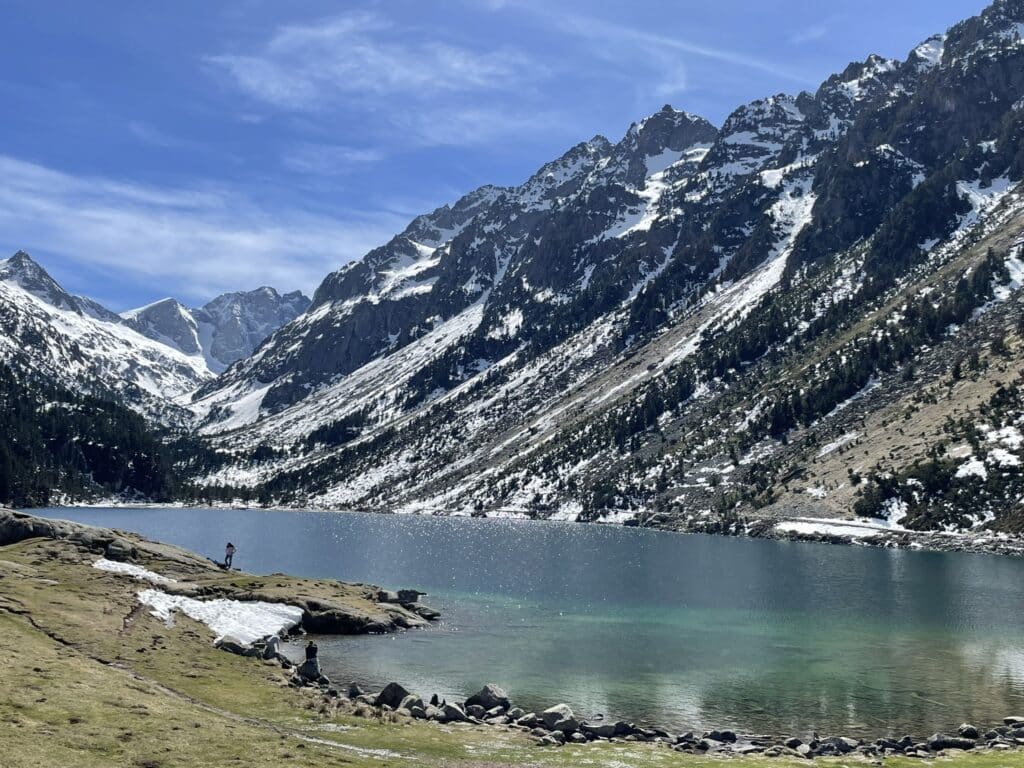
1. Spanish Pyrenees: Spain’s Hidden Gems in Europe’s Most Underrated Mountain Paradise
More pristine and less commercialized than the Alps
Significantly cheaper accommodation and activities
Excellent hiking trails with diverse difficulty levels
Consistently pleasant weather with over 300 sunny days annually
Rich medieval history with perfectly preserved villages
Primarily attracts local Spanish tourists, maintaining authenticity
Spain’s mountainous reputation overshadowed by coastal tourism
The Spanish Pyrenees represent one of Europe’s most spectacular yet underexplored mountain ranges, stretching 491 kilometers across northern Spain. While travelers flock to the overcrowded and expensive Alps, the Pyrenees offer an equally stunning but far more authentic mountain experience among the best underrated places in Europe. This region exemplifies why Spain’s hidden gems deserve recognition beyond the country’s famous beaches, standing out as one of the premier underrated places in Europe for mountain enthusiasts.
What makes the Spanish Pyrenees truly special is their incredible diversity. Within a single day, you can explore medieval villages like Ainsa or Alquézar, hike through pristine national parks such as Ordesa y Monte Perdido, and discover Romanesque churches tucked away in remote valleys. The region boasts over 200 peaks exceeding 3,000 meters, yet maintains an intimate, undiscovered feel that the Alps lost decades ago.
The cost advantage is remarkable – accommodation in charming mountain villages costs a fraction of Alpine equivalents, while local restaurants serve hearty mountain cuisine featuring regional specialties like ternasco (roasted lamb) and local cheeses at incredibly reasonable prices. This makes the Pyrenees perfect for those seeking Europe on a budget without compromising on quality or beauty.
Adventure enthusiasts will find endless opportunities, from gentle valley walks suitable for families to challenging multi-day treks like the GR-11, which traverses the entire Pyrenean range. The region also offers world-class skiing in winter, with resorts like Formigal and Baqueira-Beret providing excellent facilities at lower costs than their French or Swiss counterparts.
The cultural richness of the Spanish Pyrenees adds another layer to their appeal. Ancient pilgrimage routes crisscross the mountains, connecting monasteries and churches that have stood for over a millennium. Villages like Sos del Rey Católico and Ujué appear frozen in time, their stone streets and traditional architecture offering glimpses into Spain’s medieval past.
As I have lived in Spain for 5 years, I know dozens ofhidden gems in Spain, but this article has a more balanced approach, covering places worth visiting around all of Europe.
2. Basque Country: Spain’s Culinary Crown Jewel
Country: Spain Region: Basque Country (País Vasco) Main reasons why it’s underrated:
World’s highest concentration of Michelin-starred restaurants per capita
Unique culture and language completely distinct from mainstream Spain
Stunning coastline with dramatic cliffs and pristine beaches
Exceptional pintxos (tapas) culture at fraction of tourist-trap prices
Rich industrial heritage and cutting-edge contemporary architecture
Passionate local culture with festivals and traditions unknown to most tourists
San Sebastián offers luxury experiences at reasonable costs
The Basque Country stands as one of Europe’s most distinctive regions, yet remains surprisingly overlooked by international tourists who focus on Madrid, Barcelona, or Andalusia. This autonomous community offers an entirely different Spanish experience among the top underrated places in Europe, with its own language (Euskera), unique architecture, and world-renowned culinary scene that puts it among the globe’s greatest food destinations. As one of the finest underrated places in Europe, the Basque Country demonstrates why travelers should explore beyond mainstream Spanish destinations.
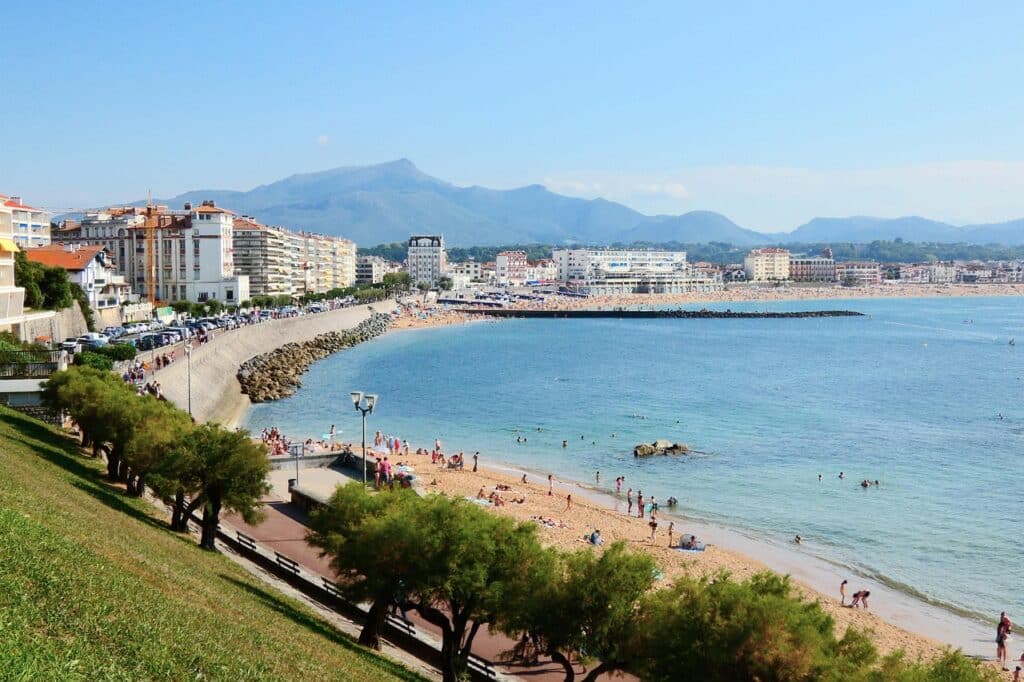
San Sebastián, the region’s crown jewel, deserves special recognition as one of Europe’s most underrated cities. This elegant coastal city boasts more Michelin stars per square meter than anywhere except Paris, yet maintains an accessible, unpretentious atmosphere. The city’s pintxos bars offer some of the world’s finest small plates at incredibly reasonable prices – a meal that would cost hundreds in Paris or London can be enjoyed for under 30 euros.
The city’s beaches, particularly La Concha and Zurriola, rival the Mediterranean’s finest but with dramatically fewer crowds and a more sophisticated atmosphere. The Belle Époque architecture, exemplified by the Kursaal Congress Centre and the restored María Cristina Hotel, creates an elegant backdrop that feels both timeless and contemporary.
Beyond San Sebastián, the Basque Country offers incredible diversity. Bilbao has transformed from an industrial city into a cultural powerhouse, anchored by the iconic Guggenheim Museum but extending far beyond into neighborhoods filled with traditional bars, innovative restaurants, and cutting-edge galleries. The smaller coastal towns like Getaria and Zarautz provide authentic fishing village experiences with exceptional seafood and fewer tourists than equivalent Mediterranean destinations.
The region’s inland areas offer equally compelling experiences, from the dramatic Urdaibai Biosphere Reserve to the medieval streets of Vitoria-Gasteiz, Spain’s 2012 European Capital of Culture. The Basque countryside, with its distinctive farmhouses (etxe) and rolling green hills, provides a Spain that few international visitors ever experience.
What truly sets the Basque Country apart is its fierce cultural identity. Local festivals like San Fermín in nearby Pamplona or San Sebastián’s own Tamborrada showcase traditions that have remained unchanged for centuries. This cultural authenticity, combined with exceptional cuisine, stunning landscapes, and reasonable prices, makes the Basque Country one of Europe’s most rewarding yet underrated destinations.
3. Bordeaux and Arcachon: Hidden Gems in Europe for France’s Sophisticated Secret
Country: France Region: Nouvelle-Aquitaine Main reasons why it’s underrated:
UNESCO World Heritage city with more preserved 18th-century architecture than Paris
World’s wine capital offering premium experiences at accessible prices
Arcachon Bay provides unique coastal experiences away from Riviera crowds
Exceptional cuisine blending Atlantic and continental influences
Efficient public transport connecting urban sophistication with natural beauty
Significantly less expensive than Paris or Riviera destinations
Rich cultural scene with world-class museums and festivals
Bordeaux represents one of France’s most underrated treasures, a city that combines the sophistication of Paris with the accessibility and warmth that the capital often lacks. This UNESCO World Heritage city boasts the largest urban collection of 18th-century architecture in the world, yet attracts a fraction of the tourists that overwhelm other French destinations.
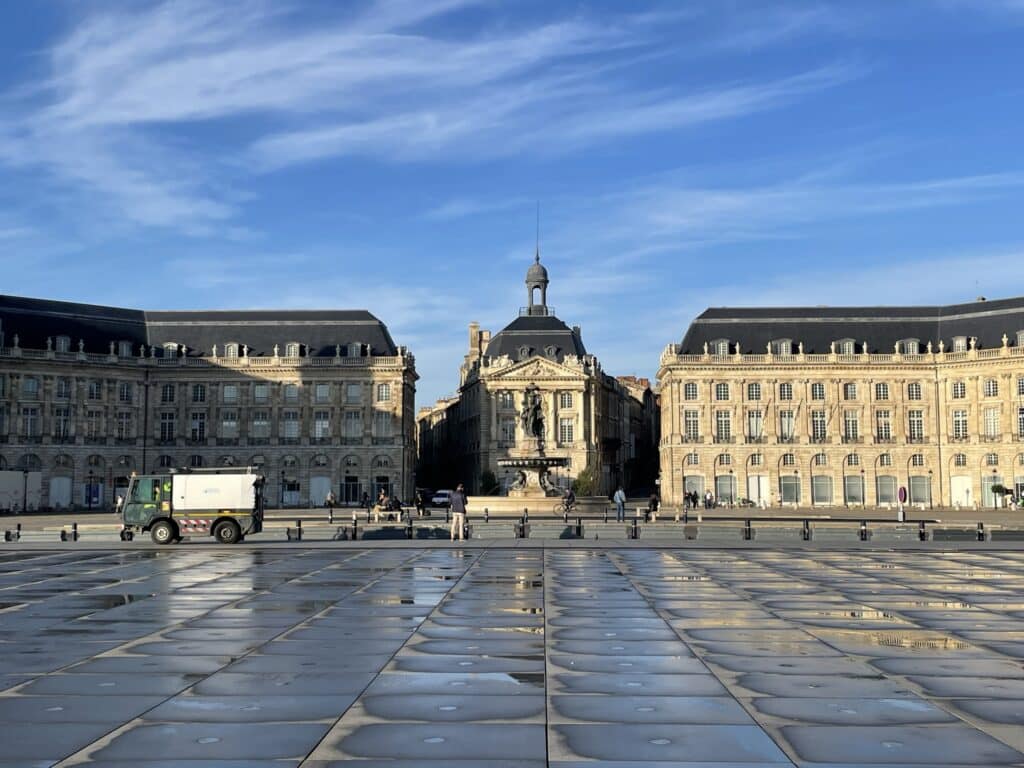
The city’s transformation over the past two decades has been remarkable. The addition of a modern tram system, the restoration of historic buildings, and the creation of spaces like the Miroir d’eau (water mirror) have created a contemporary European city that honors its heritage while embracing the future. The revitalized riverfront, stretching for several kilometers along the Garonne, provides a perfect introduction to the city’s blend of historic grandeur and modern livability.
As the world’s wine capital, Bordeaux offers unparalleled access to premium wine experiences. Unlike the often-intimidating wine culture of other regions, Bordeaux’s approach is welcoming and educational. The Cité du Vin, a stunning contemporary wine museum, provides an immersive introduction to wine culture, while nearby châteaux offer tastings and tours that cost significantly less than equivalent experiences in Champagne or Burgundy.
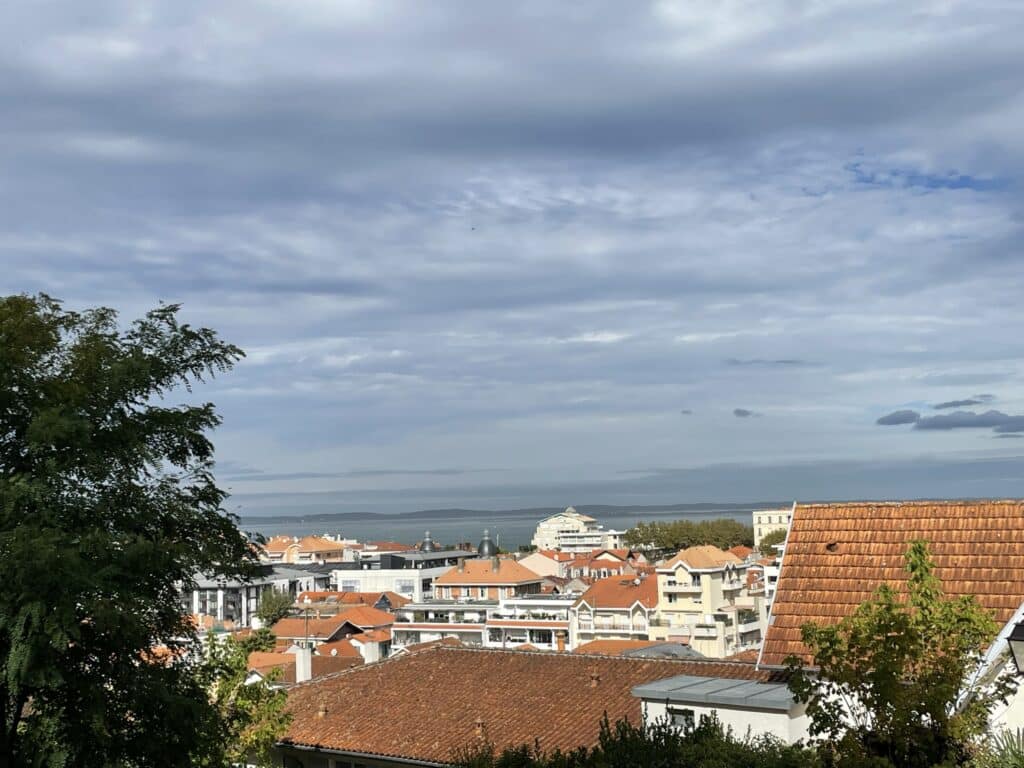
Just an hour from Bordeaux, Arcachon provides one of Europe’s most unique coastal experiences. This elegant 19th-century resort town sits at the edge of Arcachon Bay, famous for its oyster cultivation and the nearby Dune du Pilat – Europe’s tallest sand dune. The contrast between the sophisticated Belle Époque architecture of Arcachon’s Winter Town and the casual beach atmosphere of its summer quarters creates a distinctive French coastal experience unavailable elsewhere.
The Dune du Pilat deserves special mention as one of Europe’s most spectacular natural phenomena. At over 100 meters high and stretching for nearly three kilometers, this massive sand dune offers panoramic views across the Atlantic Ocean, the vast Landes forest, and Arcachon Bay. The experience of climbing this natural monument and watching the sunset over the Atlantic provides memories that rival any European landmark.
Arcachon Bay itself is a gastronomic paradise, particularly for seafood lovers. The bay produces some of France’s finest oysters, and local restaurants serve them fresh from the water at prices that would be unthinkable in more famous coastal destinations. The combination of exceptional cuisine, natural beauty, and authentic French culture makes the Bordeaux-Arcachon region a perfect example of France’s hidden gems.
The region’s accessibility adds to its appeal. High-speed TGV trains connect Bordeaux to Paris in just over three hours, while the excellent local transport system makes exploring the wider region effortless. This ease of access, combined with costs significantly lower than Paris or the Riviera, makes Bordeaux and Arcachon ideal for those seeking sophisticated French experiences while traveling Europe on a budget.
4. Annecy: the Venice of the Alps
Country: France Region: Auvergne-Rhône-Alpes Main reasons why it’s underrated:
Called “Venice of the Alps” but with cleaner water and fewer crowds
Stunning lake setting with pristine Alpine backdrop
Perfectly preserved medieval old town with a unique canal system
Year-round appeal with summer water activities and winter mountain access
Exceptional French cuisine at reasonable mountain town prices
Easy access to hiking, skiing, and water sports from a single base
Authentic French Alpine culture without (too much) tourist commercialization
4. Annecy: the Venice of the Alps
Annecy represents everything travelers seek in a European destination: stunning natural beauty, rich history, authentic culture, and reasonable prices, yet it remains surprisingly overlooked by international tourists who gravitate toward more famous Alpine destinations. This enchanting city, built around one of Europe’s cleanest lakes and surrounded by dramatic Alpine peaks, offers experiences that rival Switzerland’s beauty at a fraction of the cost.
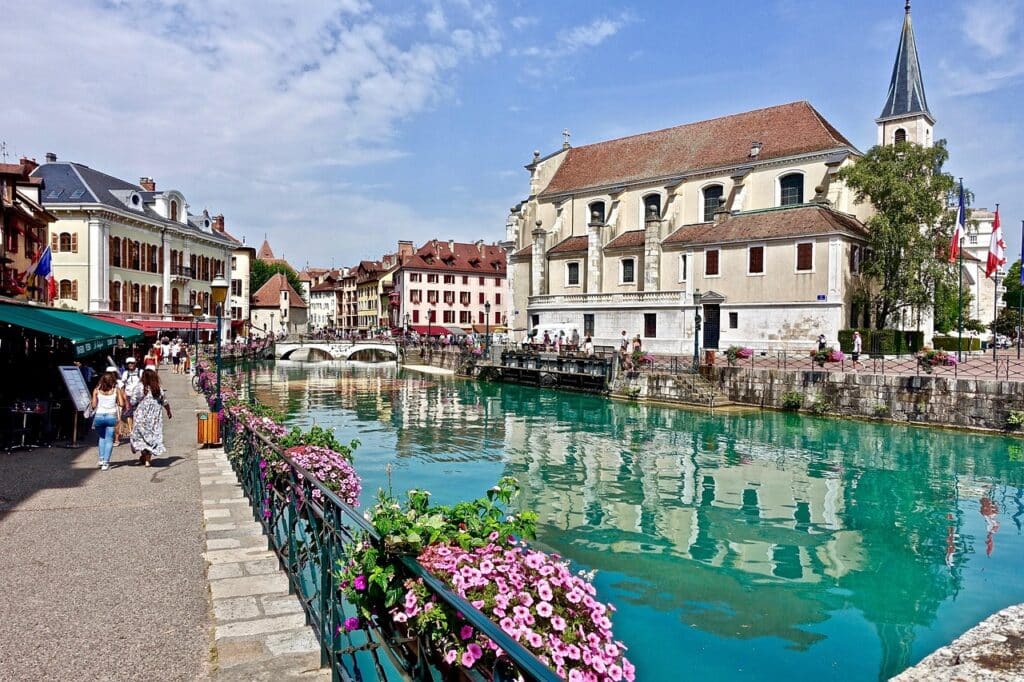
The city’s old town is a masterpiece of medieval architecture, with its network of canals, bridges, and perfectly preserved buildings creating an atmosphere that truly deserves comparison to Venice. However, unlike Venice, Annecy’s canals run with crystal-clear mountain water, and the city maintains an authentic, lived-in feel rather than existing solely for tourism. The iconic Palais de l’Isle, a 12th-century prison situated on a small island in the Thiou canal, has become the symbol of Annecy and one of France’s most photographed buildings.
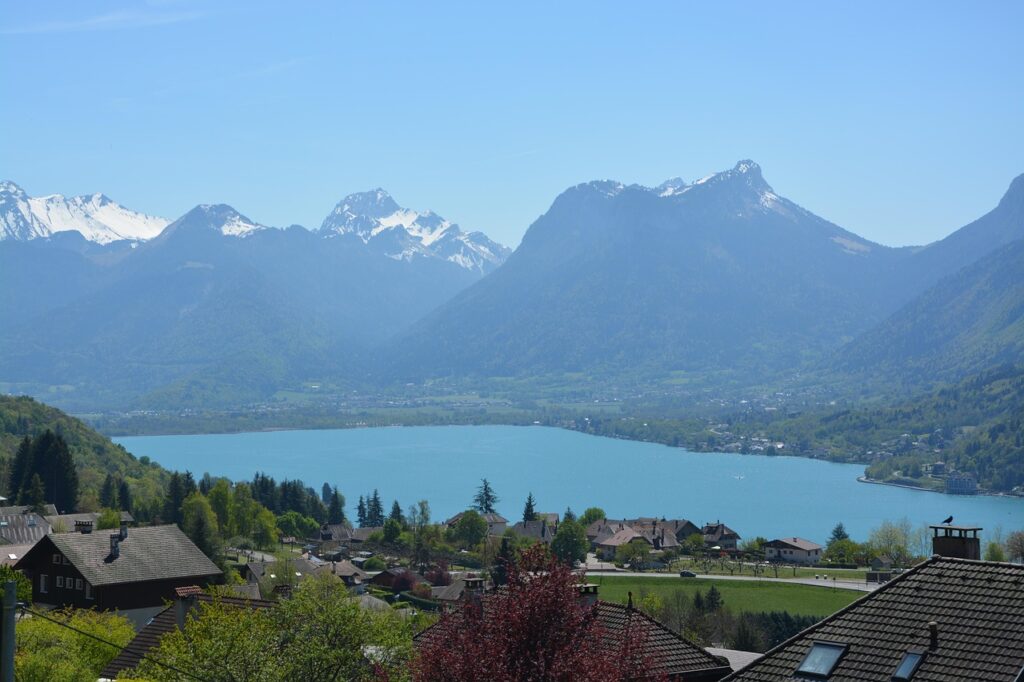
Lake Annecy itself is the crown jewel of this destination. Fed by Alpine springs, the lake maintains remarkable clarity and offers a stunning blue-green color that changes with the light and weather. The lake provides numerous activities year-round: swimming and water sports in summer, when temperatures can reach comfortable levels for Alpine swimming, and scenic walks along the shoreline in other seasons. The 42-kilometer cycle path that circumnavigates the lake offers one of Europe’s most scenic and accessible cycling experiences.
The surrounding mountains provide immediate access to world-class outdoor activities. In summer, hiking trails range from gentle lakeside walks to challenging Alpine ascents, including routes that lead to spectacular viewpoints over the lake and surrounding peaks. The nearby Semnoz and La Tournette mountains offer hiking suitable for all levels, with mountain restaurants serving traditional Savoyard cuisine in stunning settings.
Winter transforms Annecy into a gateway to the French Alps, with major ski resorts like La Clusaz and Le Grand-Bornand just 30 minutes away. Unlike expensive Alpine resort towns, Annecy provides comfortable, reasonably priced accommodation while offering easy access to world-class skiing. The Christmas market in Annecy’s old town creates a particularly magical winter atmosphere, with local crafts and regional specialties sold against the backdrop of snow-covered mountains.
5. Uhldingen-Mühlhofen: Germany’s Prehistoric Lake Paradise
UNESCO World Heritage prehistoric pile dwellings offer unique historical experience
Stunning Lake Constance setting shared with Switzerland and Austria
Open-air museum brings Stone Age and Bronze Age to life
Beautiful lakeside location without crowds of more famous German destinations
Excellent value accommodation and dining in charming lake town
Perfect base for exploring three-country Lake Constance region
Unique combination of prehistoric history and natural beauty rarely found elsewhere
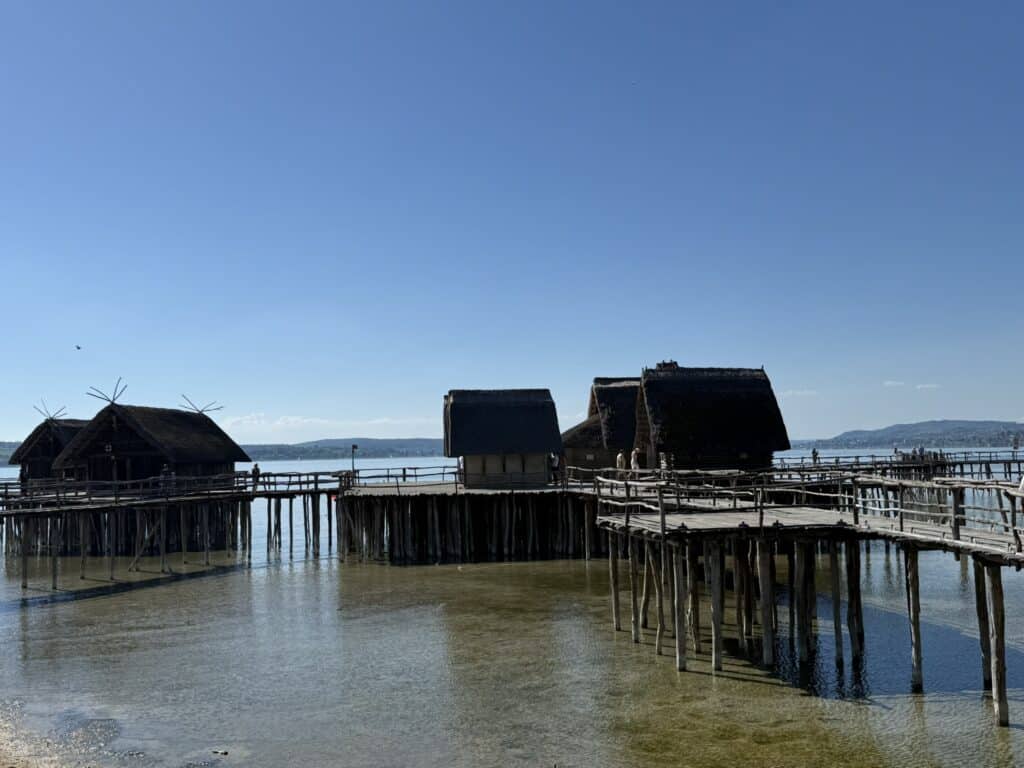
Uhldingen-Mühlhofen, located on the shores of Lake Constance (Bodensee), represents one of Germany’s most fascinating yet underrated destinations among the many underrated places in Europe that offer unique historical experiences. This small lakeside community hosts one of Europe’s most significant archaeological sites and offers visitors a unique journey into prehistoric Europe that cannot be experienced anywhere else among the underrated places in Europe.
The town’s claim to fame is the Pfahlbauten Museum, an open-air archaeological museum featuring reconstructed prehistoric pile dwellings that date back over 6,000 years. These UNESCO World Heritage sites provide an extraordinary window into Stone Age and Bronze Age life, with authentic reconstructions built using traditional techniques and materials. Visitors can walk through these ancient villages built on stilts over the lake, experiencing how our prehistoric ancestors lived, worked, and survived in this region.
The museum’s significance extends beyond mere historical curiosity. The pile dwellings represent some of Europe’s earliest examples of organized communities, and the preservation conditions in Lake Constance have provided archaeologists with unprecedented insights into prehistoric European life. Organic materials that would normally decay – wooden tools, textiles, food remains – have been perfectly preserved in the lake’s sediments, creating one of the world’s most complete pictures of prehistoric daily life.
Country: Germany Region: Baden-Württemberg Main reasons why it’s underrated:
Vast wilderness area with authentic German forest culture
Traditional cuckoo clock craftmanship and fairy tale atmosphere
Excellent hiking trails ranging from gentle walks to challenging mountain routes
Thermal spas and wellness centers at fraction of Swiss spa costs
Authentic German cuisine and hospitality away from tourist crowds
Year-round appeal with summer hiking and winter cross-country skiing
Rich cultural traditions including traditional Black Forest cake and regional crafts
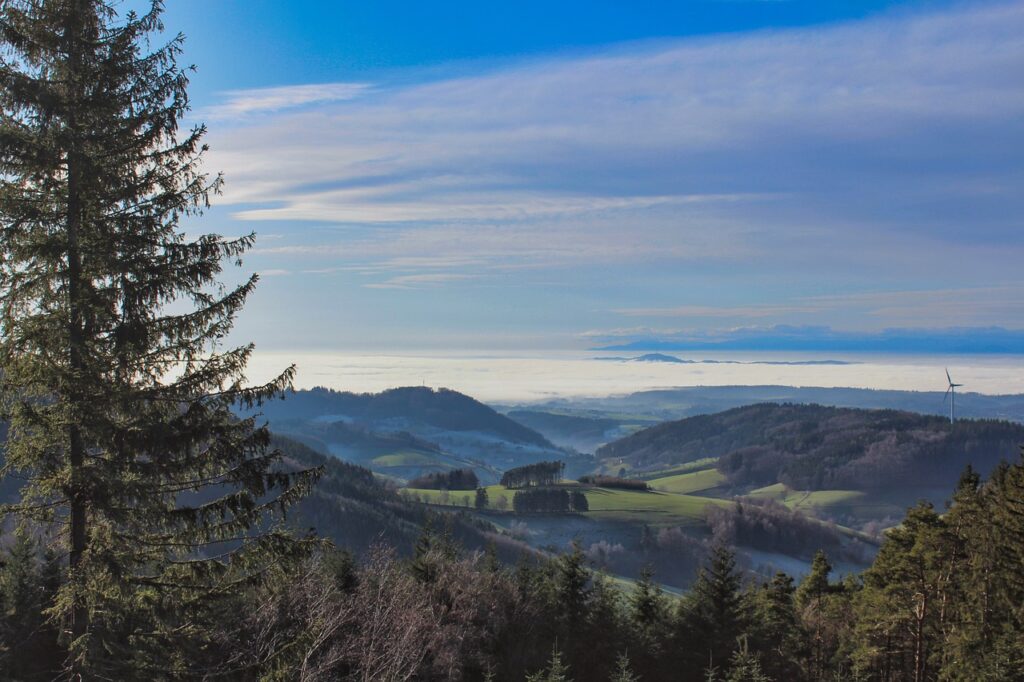
The Schwarzwald, or Black Forest, embodies the Germany of fairy tales and childhood imagination, yet remains surprisingly overlooked by international travelers who often bypass this magnificent region for more famous German destinations. This vast forested mountain range in southwestern Germany offers an authentic German experience combining natural beauty, cultural traditions, and outdoor activities that rival any European destination, ranking among the most rewarding underrated places in Europe for nature lovers. As one of the most authentic underrated places in Europe, the Black Forest provides experiences that showcase traditional German culture away from tourist crowds.
Stretching across 6,000 square kilometers, the Black Forest provides some of Europe’s best hiking and outdoor experiences. The region features over 23,000 kilometers of marked hiking trails, ranging from gentle valley walks suitable for families to challenging mountain routes that reward hikers with spectacular panoramic views. The Westweg, one of Germany’s oldest long-distance hiking trails, traverses the entire Black Forest from north to south, offering multi-day trekking experiences through pristine wilderness.
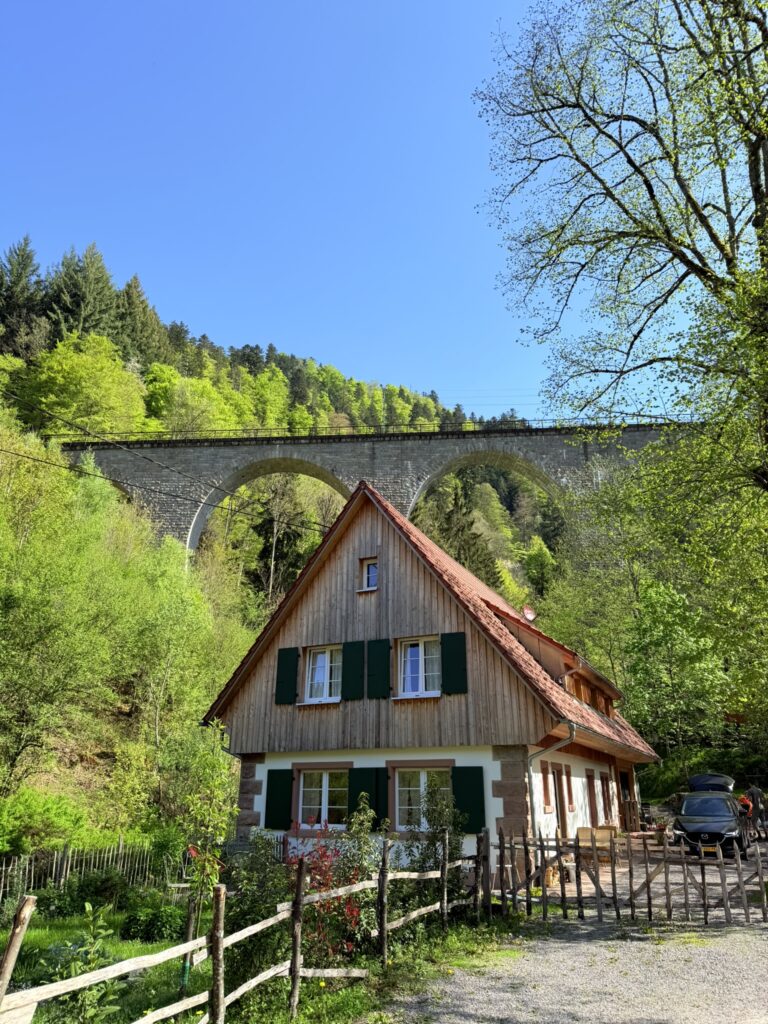
The forest’s cultural significance extends far beyond its natural beauty. This is the birthplace of the cuckoo clock, and visitors can still watch traditional clockmakers practicing their craft in workshops that have operated for generations. The region’s traditional farmhouses, with their distinctive steep roofs and carved wooden balconies, create a landscape that appears unchanged from centuries past. These Schwarzwaldhöfe (Black Forest farms) often serve as guesthouses, offering visitors the chance to experience authentic rural German hospitality.
or those seeking unusual city breaks in Europe, the Black Forest’s small towns offer distinctive German experiences among the most authentic underrated places in Europe. Freiburg, the region’s largest city, combines medieval charm with contemporary sustainability initiatives, earning recognition as one of Germany’s most environmentally friendly cities. Smaller towns like Schönau or St. Georgen maintain traditional Black Forest culture while providing modern amenities for visitors, representing the best of underrated places in Europe for cultural immersion.
The accessibility of the Black Forest adds to its appeal for budget-conscious travelers. The region is easily reached from major German cities and neighboring countries, while accommodation ranges from luxury spa hotels to family-run guesthouses and mountain huts. This variety ensures that the Black Forest can accommodate any budget while providing authentic German experiences unavailable in more commercialized destinations.
The region’s seasonal appeal ensures year-round interest for visitors. Summer brings perfect hiking weather and the opportunity to swim in pristine mountain lakes. Autumn transforms the forest into a spectacular display of colors, while also marking the season for mushroom gathering and regional harvest festivals. Winter provides excellent cross-country skiing conditions, with hundreds of kilometers of groomed trails winding through snow-covered forests.
7. Rügen Island: Germany’s Baltic Pearl
Country: Germany Region: Mecklenburg-Western Pomerania Main reasons why it’s underrated:
Dramatic white chalk cliffs rivaling England’s Dover but with fewer crowds
Pristine Baltic Sea beaches with traditional German seaside resort atmosphere
UNESCO World Heritage beech forests offering unique ecosystem experiences
Rich history from Stone Age settlements to GDR-era architecture
Excellent value accommodation and dining in authentic German coastal setting
Steam railway network providing nostalgic transportation through stunning landscapes
Four distinct landscapes from beaches to forests to cliffs on single island
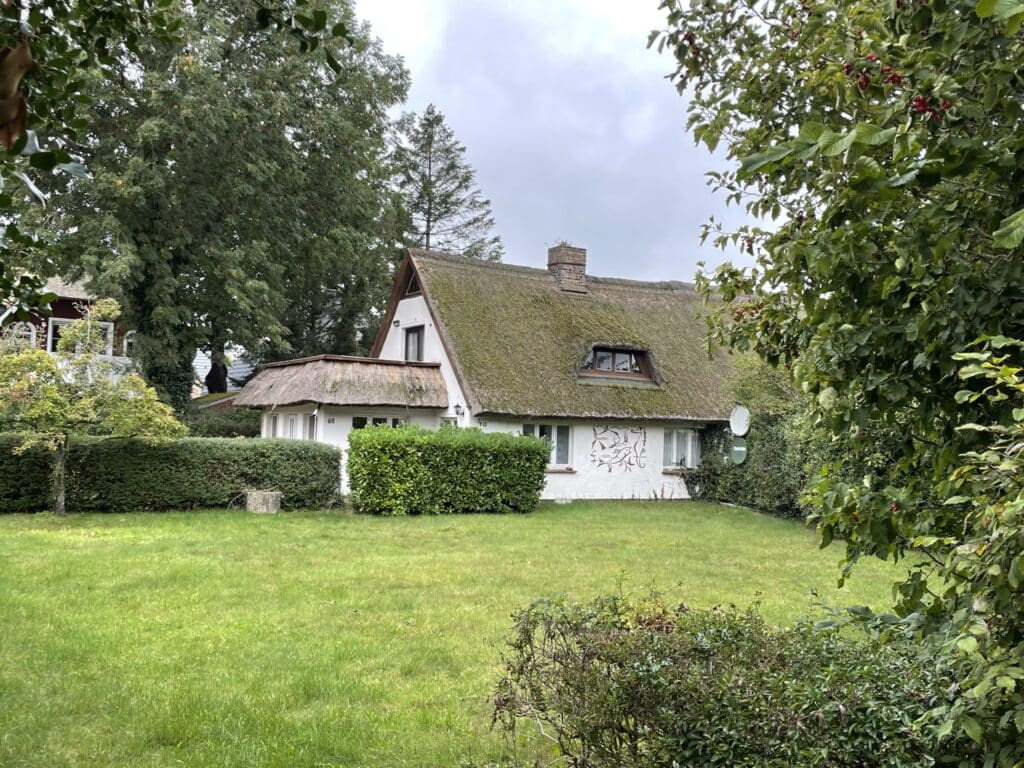
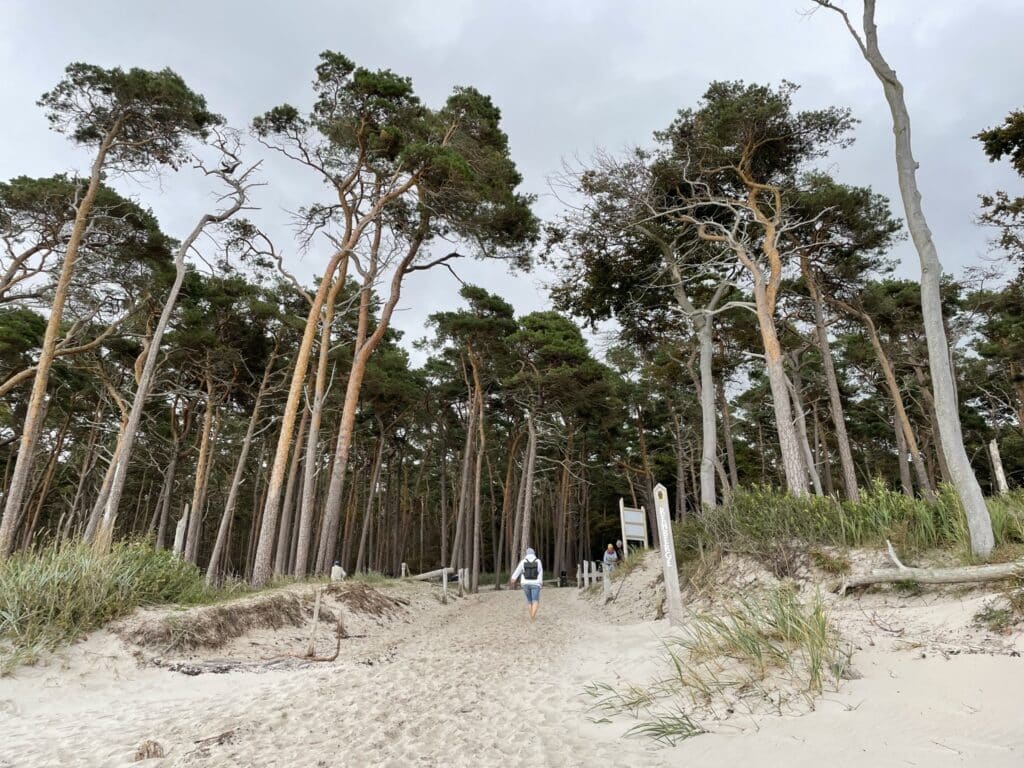
Rügen Island stands as Germany’s largest island and one of its most spectacular yet underrated destinations, ranking highly among all underrated places in Europe for coastal beauty. Located in the Baltic Sea off Germany’s northeastern coast, Rügen offers dramatic landscapes, pristine beaches, and authentic German seaside culture that rival any European coastal destination while maintaining an untouched, authentic atmosphere rarely found in more famous seaside resorts. This makes Rügen one of the most appealing underrated places in Europe for authentic coastal experiences.
The island’s most famous feature, the chalk cliffs of Jasmund National Park, provides one of Europe’s most dramatic coastal landscapes. These brilliant white cliffs, immortalized in paintings by Caspar David Friedrich, rise up to 118 meters above the Baltic Sea, creating a landscape that rivals England’s famous Dover cliffs but with far fewer crowds. The beech forests that crown these cliffs represent some of Europe’s last primeval forests and have earned UNESCO World Heritage status for their unique ecosystem.
Rügen’s beaches offer a completely different but equally compelling experience. The island boasts over 60 kilometers of pristine sandy beaches, from the famous Binz resort with its distinctive pier and Belle Époque architecture to quieter stretches where visitors can enjoy solitude even during peak summer months. The Baltic Sea’s gentle waves and gradually sloping beaches make Rügen ideal for families, while the consistent winds provide excellent conditions for sailing and windsurfing.
The island’s internal diversity creates multiple destinations within a single location. The Rasender Roland, a narrow-gauge steam railway dating from 1895, connects Rügen’s major towns while providing scenic journeys through diverse landscapes. This historic railway offers not just transportation but a nostalgic experience that appeals to all ages, with steam engines pulling period carriages through forests, across meadows, and along coastal sections.
For outdoor enthusiasts, Rügen offers activities ranging from gentle cycling along coastal paths to challenging hikes through Jasmund’s ancient beech forests. The island’s network of cycling routes connects all major attractions while providing access to hidden beaches and viewpoints unknown to casual visitors. Bird watching opportunities are exceptional, particularly during migration seasons when thousands of cranes use Rügen as a resting point.
8. Eastbourne and the Seven Sisters: England’s Dramatic Coastal Masterpiece
Country: United Kingdom Region: East Sussex, England Main reasons why it’s underrated:
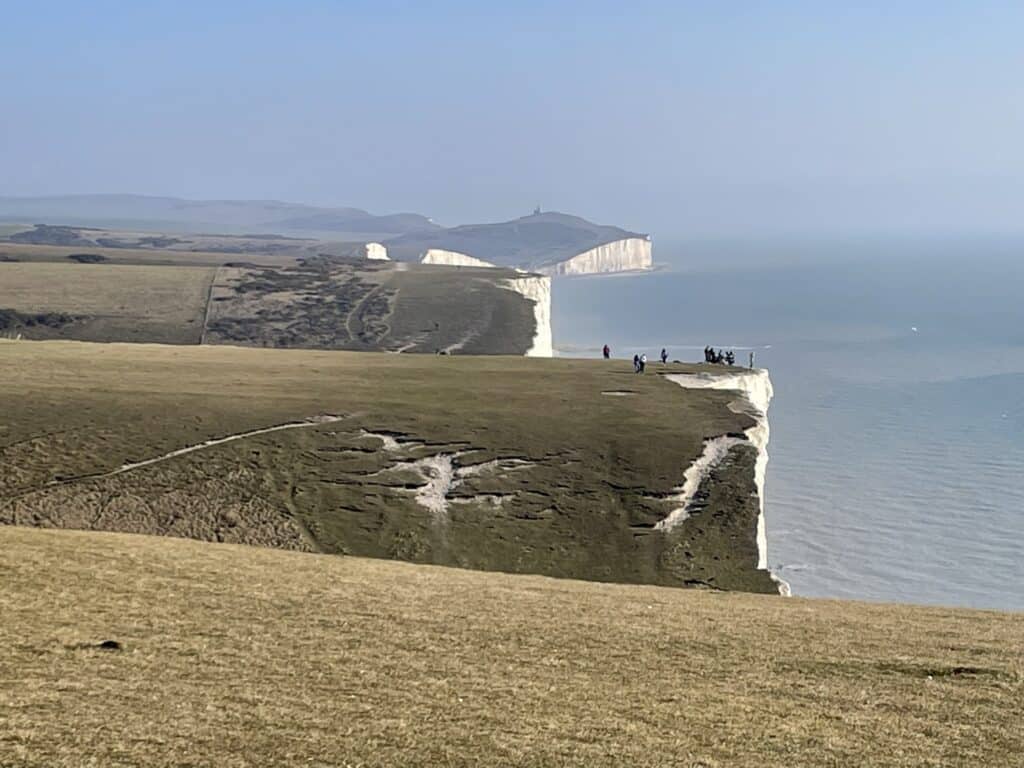
Spectacular Seven Sisters chalk cliffs offer Dover’s drama without the crowds
Charming Victorian seaside town atmosphere with authentic English character
Excellent hiking opportunities along South Downs Way with panoramic views
Affordable accommodation and dining compared to London or Brighton
Rich cultural scene with theaters, galleries, and festivals throughout the year
Easy access from London while maintaining authentic English coastal experience
Stunning photography opportunities with dramatic cliff and sea views
Eastbourne represents one of England’s most underrated coastal destinations, certainly ranking among the finest underrated places in Europe for dramatic natural beauty, offering the dramatic beauty of chalk cliffs, pristine countryside, and authentic Victorian seaside charm without the overwhelming crowds that plague more famous English coastal destinations. This elegant South Coast resort town provides access to some of England’s most spectacular natural landscapes while maintaining the comfortable, welcoming atmosphere that characterizes the best of English hospitality, making it one of the most charming underrated places in Europe.
The Seven Sisters cliffs, Eastbourne’s most famous natural feature, create one of Europe’s most dramatic coastal landscapes. These undulating chalk cliffs stretch for several miles along the coast, reaching heights of over 160 meters and providing panoramic views across the English Channel. Unlike the heavily visited Dover cliffs, the Seven Sisters maintain a wild, untouched character, with the South Downs National Park protecting both the cliffs and the surrounding countryside from development.
The cliff-top walks offer some of England’s finest hiking experiences, with the South Downs Way providing well-maintained paths that showcase the area’s natural beauty while remaining accessible to walkers of varying abilities. The contrast between the brilliant white chalk cliffs, the green downs rolling inland, and the deep blue sea creates a landscape of remarkable beauty that changes dramatically with weather and lighting conditions.
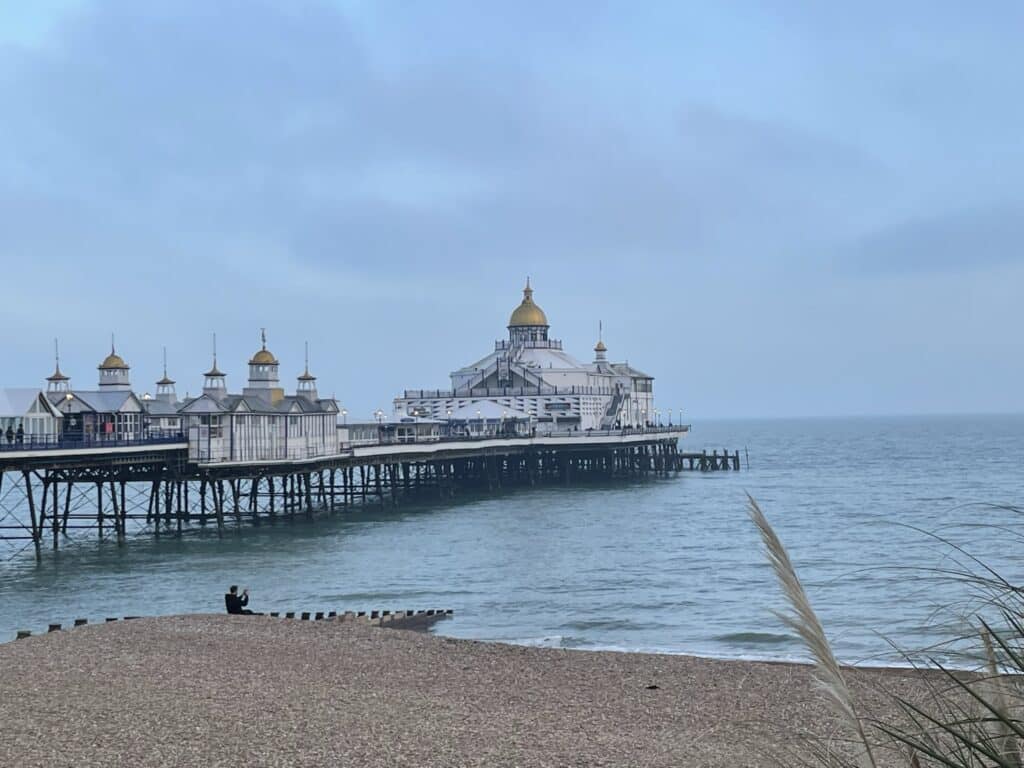
Eastbourne itself embodies the best of English seaside towns without the commercialization that has affected many coastal destinations. The town’s Victorian and Edwardian architecture creates an elegant seafront, anchored by the historic Eastbourne Pier, which extends 300 meters into the sea and houses traditional seaside attractions alongside contemporary restaurants and entertainment venues. The three-tier promenade allows for pleasant walks with sea views while providing shelter from coastal winds.
The cultural life of Eastbourne surprises many visitors who expect only seaside attractions. The Devonshire Park Theatre hosts West End productions and touring shows, while the town’s numerous galleries showcase both traditional and contemporary art. The annual Eastbourne International tennis tournament brings world-class professional tennis to this seaside setting, creating a unique sporting and social event.
For photographers and nature lovers, the Eastbourne area provides exceptional opportunities throughout the year. The chalk cliffs create dramatic compositions in any weather, while the changing seasons transform both the coastal and inland landscapes. Spring brings wildflowers to the downs, summer provides perfect conditions for cliff-top walks, autumn offers spectacular light and fewer crowds, and winter storms create dramatic seascapes that showcase the coast’s raw power.
9. Trieste: Italy’s Multicultural Adriatic Jewel
Country: Italy Region: Friuli-Venezia Giulia Main reasons why it’s underrated:
Unique multicultural heritage blending Italian, Austrian, and Slavic influences
Stunning Adriatic coastline without the crowds of Venice or Amalfi Coast
Rich coffee culture as Italy’s gateway to Central Europe
Magnificent Habsburg architecture creating distinctive urban landscape
Exceptional seafood cuisine influenced by multiple culinary traditions
Fascinating history as major port of Austrian Empire
Significantly less expensive than Venice while offering comparable cultural richness
Trieste occupies a unique position in European culture and geography, serving as Italy’s window to Central Europe and one of the continent’s most fascinating yet underrated cities, definitely ranking among the most culturally rich underrated places in Europe. Located at the head of the Adriatic Sea, where Italy meets Slovenia and the cultural influences of the former Austrian Empire remain deeply embedded in daily life, Trieste offers experiences unavailable anywhere else among underrated places in Europe.
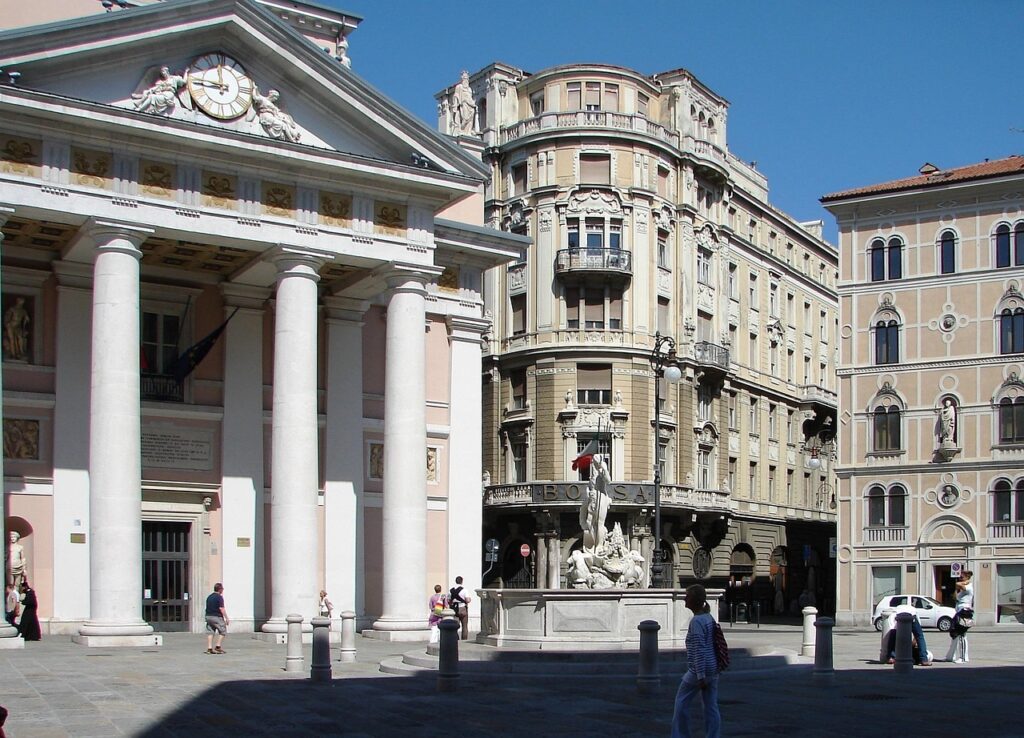
The city’s most striking feature is its magnificent Piazza Unità d’Italia, one of Europe’s largest sea-facing squares. Surrounded by Habsburg palaces and opening directly onto the Adriatic, this piazza encapsulates Trieste’s unique character – undeniably Italian yet distinctively different from the rest of Italy. The square serves as the heart of the city’s social life, particularly during the evening passeggiata when locals gather to enjoy the sea breeze and watch the sunset over the Gulf of Trieste.
Trieste’s position on the Adriatic provides access to stunning coastal experiences without the overwhelming crowds that characterize more famous Italian destinations. The Barcola waterfront offers urban beaches just minutes from the city center, while the nearby Karst plateau provides hiking opportunities through a landscape of underground caves, traditional villages, and wine-producing areas. The famous Grotta Gigante, one of the world’s largest tourist-accessible caves, lies just outside the city.
For travelers seeking authentic Italian experiences away from tourist crowds, Trieste provides exceptional value. Accommodation costs significantly less than Venice or other famous Italian destinations, while restaurants serve high-quality cuisine at reasonable prices. The city’s compact size makes it easily walkable, while excellent public transportation connects the center with coastal areas and surrounding attractions.
Dramatically different from tourist-focused southern Tenerife
Lush subtropical landscapes with traditional Canarian villages
Access to Mount Teide National Park without southern crowds
Authentic Canarian culture and cuisine away from resort areas
Stunning black volcanic beaches and dramatic coastlines
Excellent hiking opportunities through laurel forests and volcanic landscapes
Year-round mild climate perfect for outdoor activities
While millions of tourists flock to southern Tenerife’s resort areas, the island’s northern region remains surprisingly overlooked among underrated places in Europe, offering authentic Canarian experiences in landscapes that seem worlds away from the developed south. Northern Tenerife showcases the Canary Islands as they existed before mass tourism, with traditional villages, subtropical forests, and dramatic volcanic landscapes that provide genuine alternatives to the beach resort experience. This region stands out among underrated places in Europe for its unique combination of European accessibility and subtropical beauty.
The contrast between north and south Tenerife is remarkable. While the south features arid landscapes and purpose-built resorts, the north enjoys a subtropical climate that supports lush vegetation, traditional agriculture, and authentic Canarian communities. Towns like La Orotava and Puerto de la Cruz maintain their historic character, with traditional Canarian architecture, local markets, and restaurants serving authentic island cuisine rather than international tourist fare.
The northern region provides superior access to Tenerife’s greatest natural attraction: Mount Teide National Park. This UNESCO World Heritage site centers around Spain’s highest peak and Europe’s third-largest volcano, creating landscapes that feel otherworldly. The northern approach to Teide offers less crowded access routes and better hiking opportunities than the more popular southern routes, allowing visitors to experience this remarkable volcanic environment with greater solitude and authenticity.
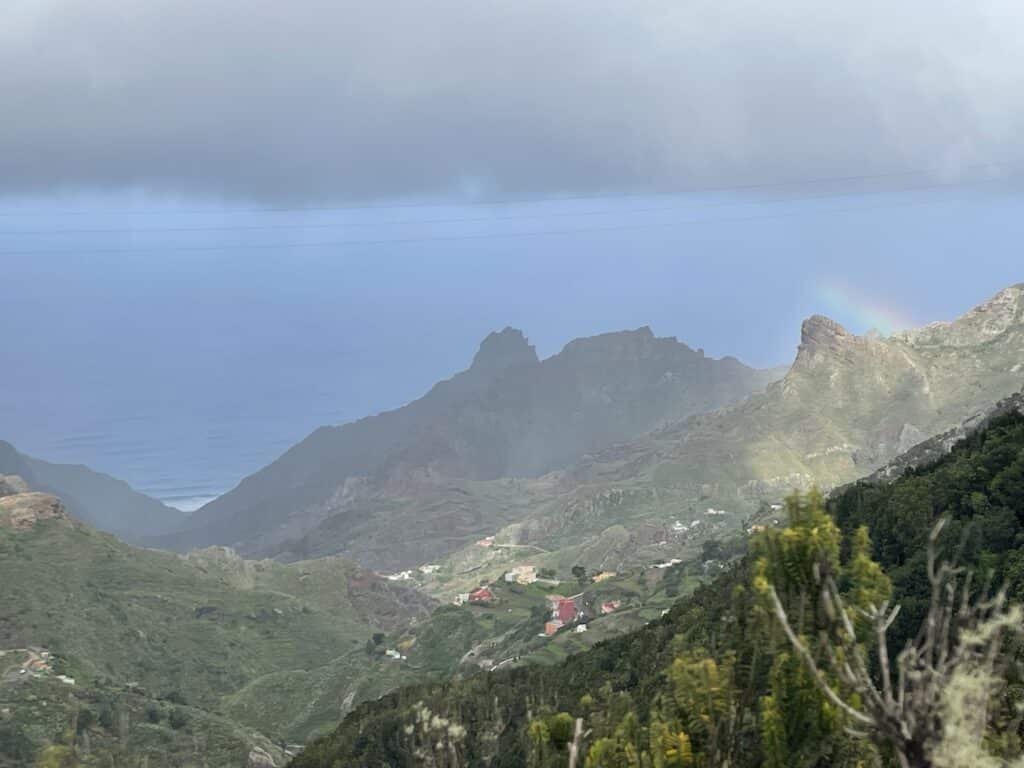
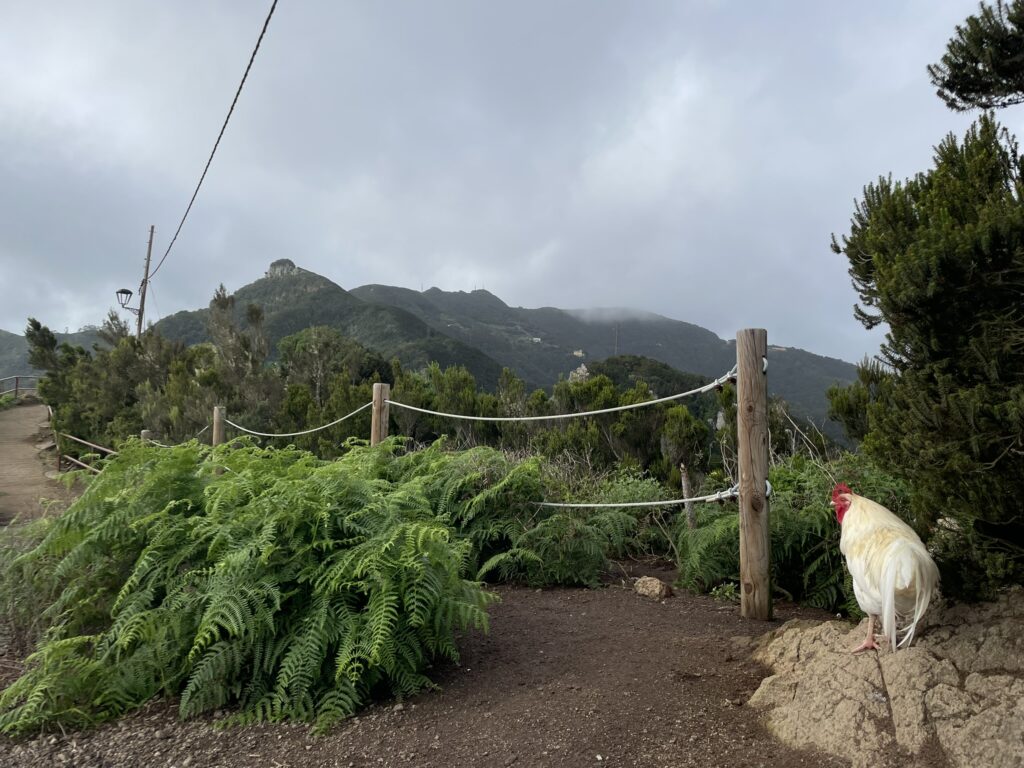
The Anaga Mountains in Tenerife’s northeast showcase one of Europe’s most unique ecosystems: the laurisilva or laurel forest. These ancient subtropical forests, remnants of vegetation that covered much of southern Europe millions of years ago, create hiking experiences unavailable anywhere else on the continent. The misty, primeval atmosphere of these forests, combined with dramatic viewpoints over the Atlantic, provides outdoor experiences that rival any European destination.
Northern Tenerife’s coastal areas offer completely different beach experiences from the crowded southern resorts. Black volcanic sand beaches like Playa Jardín in Puerto de la Cruz provide dramatic beauty enhanced by the contrast between dark sand, white waves, and tropical vegetation. These beaches maintain authentic local atmosphere, with Spanish families rather than international tourists, and beachside restaurants serving fresh local fish rather than international resort food.
For those interested in unusual city breaks in Europe, northern Tenerife’s combination of subtropical climate, volcanic landscapes, ancient forests, and authentic Spanish culture creates a European destination unlike any other. The year-round mild climate allows for hiking, swimming, and outdoor activities in any season, while the cultural richness and natural beauty provide experiences that satisfy travelers seeking both relaxation and authenticity.
11. Wrocław: Underrated European Cities Showcasing Poland’s Renaissance Jewel
Country: Poland Region: Lower Silesia Main reasons why it’s underrated:
One of Europe’s most beautiful market squares with stunning Gothic and Baroque architecture
Vibrant university city atmosphere with excellent cultural scene
Fascinating history spanning Polish, Czech, Austrian, and German periods
Exceptional value for money with world-class experiences at budget prices
Unique dwarf statue trail creating whimsical city exploration
Outstanding cuisine blending Polish, German, and Czech influences
European Capital of Culture 2016 with ongoing cultural investments
Wrocław stands as one of Europe’s most beautiful and culturally rich cities, yet remains surprisingly overlooked by international travelers who focus on more famous Eastern European destinations like Prague or Krakow. This magnificent Polish city offers experiences that rival Europe’s most celebrated urban destinations while providing exceptional value and authentic Central European culture that hasn’t been diluted by mass tourism, making it one of the most rewarding underrated places in Europe. Among all underrated places in Europe, Wrocław provides perhaps the best combination of architectural beauty, cultural richness, and affordability.
The city’s Market Square (Rynek) ranks among Europe’s most spectacular urban spaces, surrounded by colorful Gothic and Baroque townhouses that create a fairy-tale atmosphere particularly magical during golden hour and evening illumination. The square’s centerpiece, the Gothic Old Town Hall, houses one of Poland’s finest examples of medieval civic architecture, while the surrounding buildings showcase centuries of architectural evolution in this strategically important Central European city.
Wrocław’s unique character stems from its complex multicultural history. Over the centuries, the city has been part of the Kingdom of Poland, Bohemia, the Austrian Empire, Prussia, and Germany before returning to Poland after World War II. This diverse heritage created a distinctive urban culture that blends Polish, German, Czech, and Austrian influences in ways visible throughout the city’s architecture, cuisine, and cultural traditions.
One of Wrocław’s most charming features is its collection of over 300 small bronze dwarf statues scattered throughout the city. These whimsical sculptures, each with its own character and story, create a unique treasure hunt that encourages exploration of neighborhoods visitors might otherwise overlook. The dwarfs originated as symbols of resistance during the communist era and have evolved into beloved city mascots that add playful elements to serious historical and architectural sightseeing.
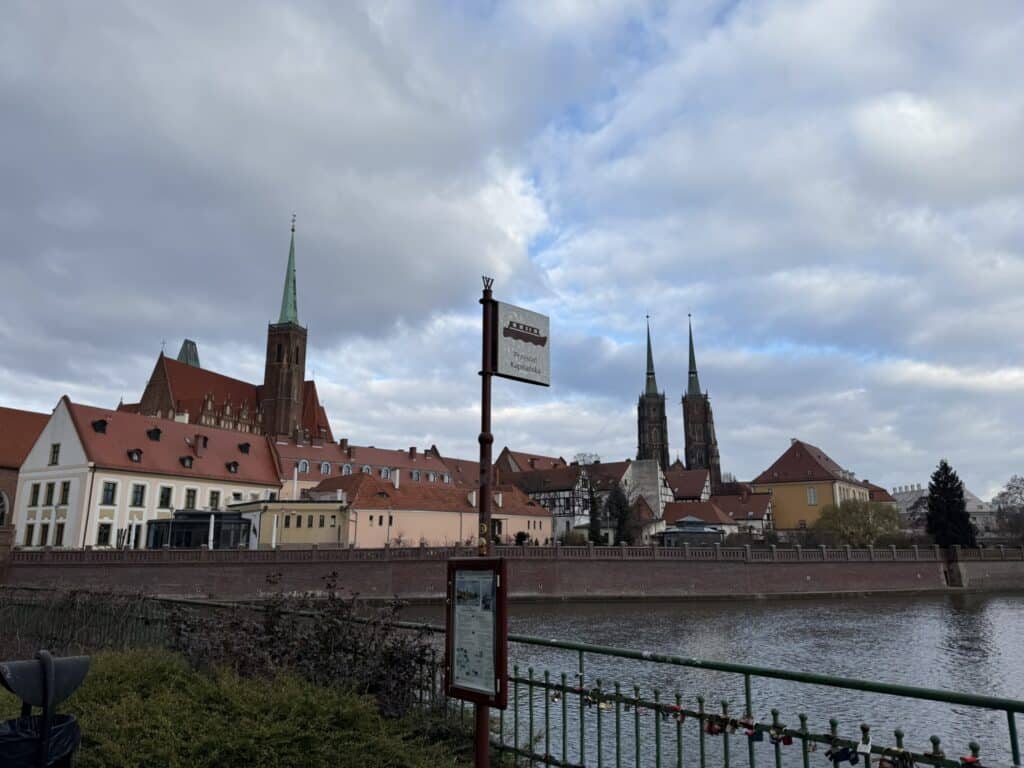
The Oder River and its islands add another dimension to Wrocław’s appeal. Cathedral Island (Ostrów Tumski), the city’s oldest section, houses the magnificent Gothic Cathedral of St. John the Baptist and maintains an atmospheric medieval character enhanced by gas street lamps that are still lit manually each evening. The riverside areas provide peaceful walks and beautiful views of the city’s skyline, while numerous bridges connect different districts and create romantic urban landscapes.
As a major university city with over 130,000 students, Wrocław maintains a vibrant cultural and nightlife scene that rivals much larger European cities. The student population ensures a dynamic atmosphere with numerous cafés, bars, clubs, and cultural venues that cater to young, international crowds. This youthful energy, combined with the city’s historical gravitas, creates an urban environment that satisfies both cultural tourists and those seeking contemporary European city experiences.
For budget-conscious travelers, Wrocław represents exceptional value among European destinations. High-quality accommodation, excellent restaurants, and world-class cultural attractions cost significantly less than equivalent experiences in Western European cities, making Wrocław perfect for those seeking to explore Europe on a budget without compromising on quality or authenticity.
Country: Romania Region: Northern Moldavia Main reasons why it’s underrated:
UNESCO World Heritage painted monasteries unique in world architecture
Pristine Carpathian Mountain landscapes with authentic rural culture
Exceptional value with luxury experiences at budget prices
Rich folklore traditions and traditional crafts still practiced
Excellent hiking and outdoor activities in unspoiled natural settings
Authentic Romanian cuisine and hospitality away from tourist crowds
Fascinating history combining Romanian, Austrian, and Russian influences
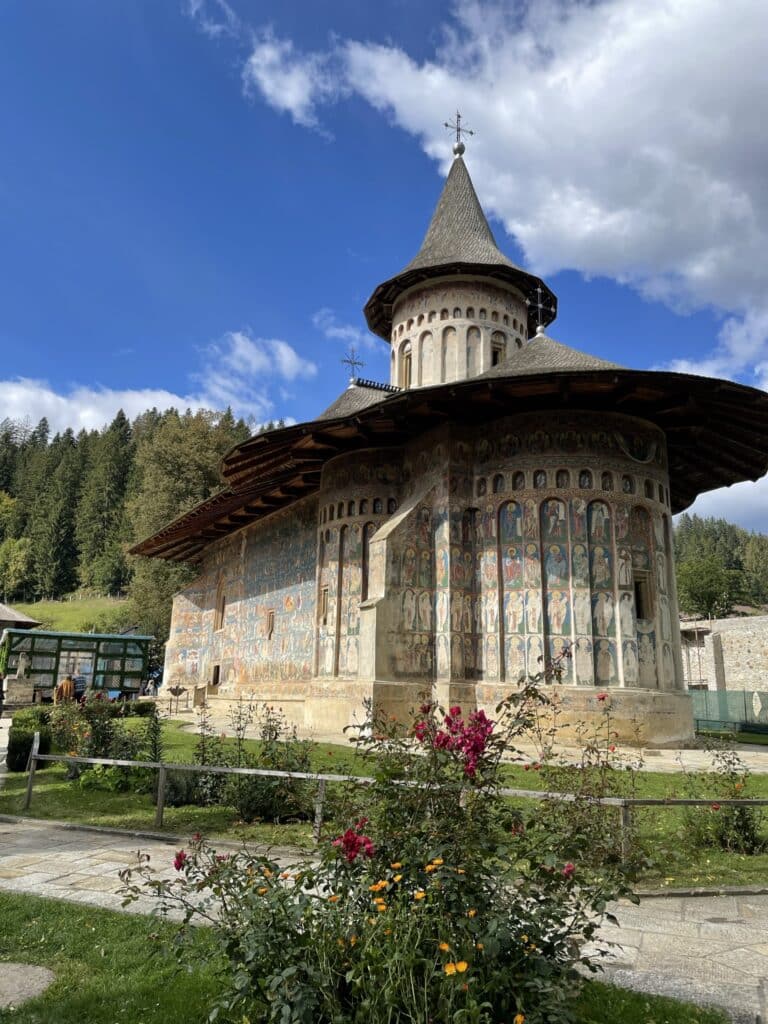
Bucovina, located in northern Romania near the Ukrainian border, harbors one of Europe’s most extraordinary artistic and cultural treasures, yet remains virtually unknown to most international travelers, making it one of the most overlooked underrated places in Europe. If you have already visited Romania, did the most popular 7 days itineraries through the country, or you have just ran out of things to do in Transylvania, this region is the one you should go next.
This historic region houses the famous painted monasteries – UNESCO World Heritage sites featuring complete exterior frescoes that represent unique achievements in medieval art and architecture. Among all underrated places in Europe, Bucovina offers perhaps the most unique artistic experiences that simply cannot be found elsewhere on the continent.
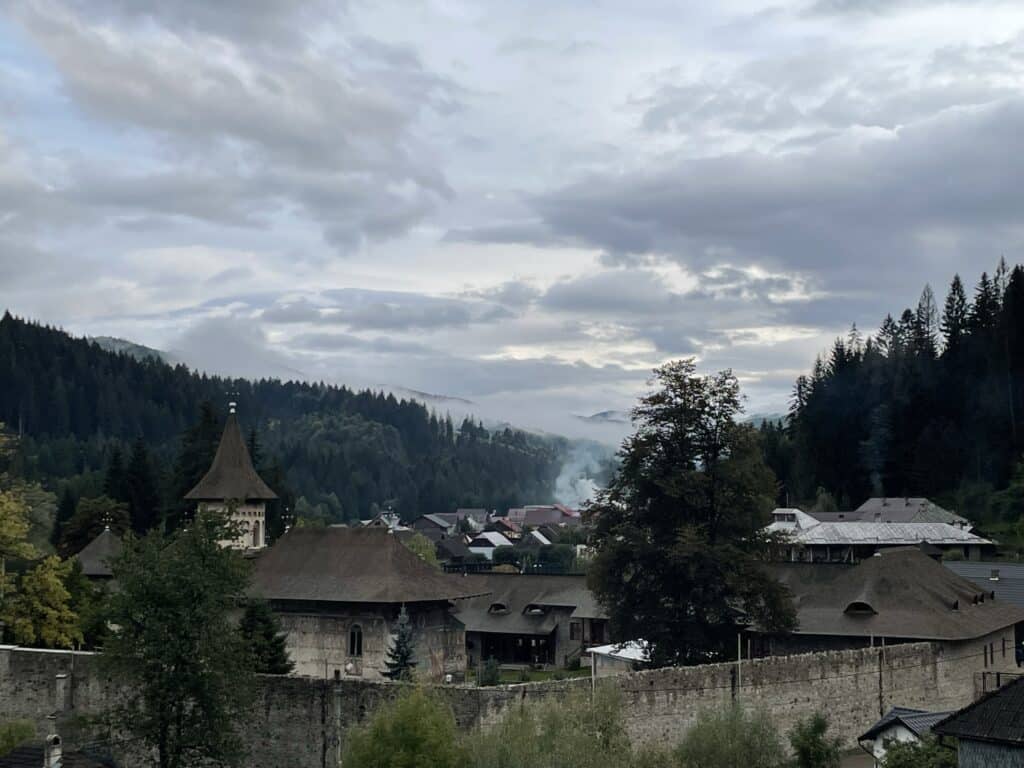
The painted monasteries of Bucovina, built primarily in the 15th and 16th centuries, feature complete biblical stories painted on their exterior walls in vivid colors that have survived centuries of weather and political upheaval. Monasteries like Voroneț (famous for its distinctive blue), Moldovița, Sucevița, and Humor showcase medieval artistry on a scale unmatched anywhere in Europe. These exterior frescoes were designed to teach religious stories to illiterate populations, creating what amounts to medieval comic books rendered in extraordinary artistic detail.
The Voroneț Monastery deserves special mention for its famous “Voroneț blue,” a color so distinctive and well-preserved that it’s often compared to the blues in Giotto’s frescoes. The monastery’s exterior walls feature complete scenes from biblical stories, including the famous Last Judgment fresco that covers the entire western wall. The artistic achievement represented by these monasteries cannot be experienced anywhere else in Europe, yet visitor numbers remain minimal compared to other UNESCO sites.
Beyond the monasteries, Bucovina offers authentic rural Romanian experiences that showcase traditional European life largely unchanged by modernization. Traditional villages feature wooden houses, horse-drawn carts, and agricultural practices that have remained constant for centuries. Local artisans continue traditional crafts, including pottery, wood carving, and textile production, often using techniques passed down through generations.
The natural beauty of Bucovina encompasses pristine Carpathian Mountain landscapes that provide excellent hiking, wildlife watching, and outdoor activities. The region’s forests house brown bears, wolves, and lynx, making it one of Europe’s premier destinations for wildlife enthusiasts. The unspoiled nature of these landscapes, combined with the minimal tourist infrastructure, creates opportunities for authentic wilderness experiences increasingly rare in modern Europe.
The accommodation and dining options in Bucovina provide exceptional value for travelers seeking authentic experiences. Traditional guesthouses offer comfortable rooms with home-cooked meals featuring local specialties like mămăligă (polenta), local cheeses, and fresh mountain trout. The hospitality of Bucovina residents, combined with prices that seem impossibly low by Western European standards, creates vacation experiences that deliver luxury comfort at budget costs.
13. Dobrogea and the Danube Delta: Romania’s Natural Wonder
Country: Romania Region: Dobrogea (Southeast Romania) Main reasons why it’s underrated:
UNESCO World Heritage Danube Delta offers unique European ecosystem
Pristine wetlands supporting over 300 bird species and diverse wildlife
Authentic fishing village experiences in traditional delta communities
Exceptional value for eco-tourism and wildlife watching experiences
Unique cultural blend of Romanian, Turkish, Russian, and Ukrainian influences
Access to both delta wilderness and Black Sea coastal areas
Traditional boat transportation creating authentic delta exploration experiences
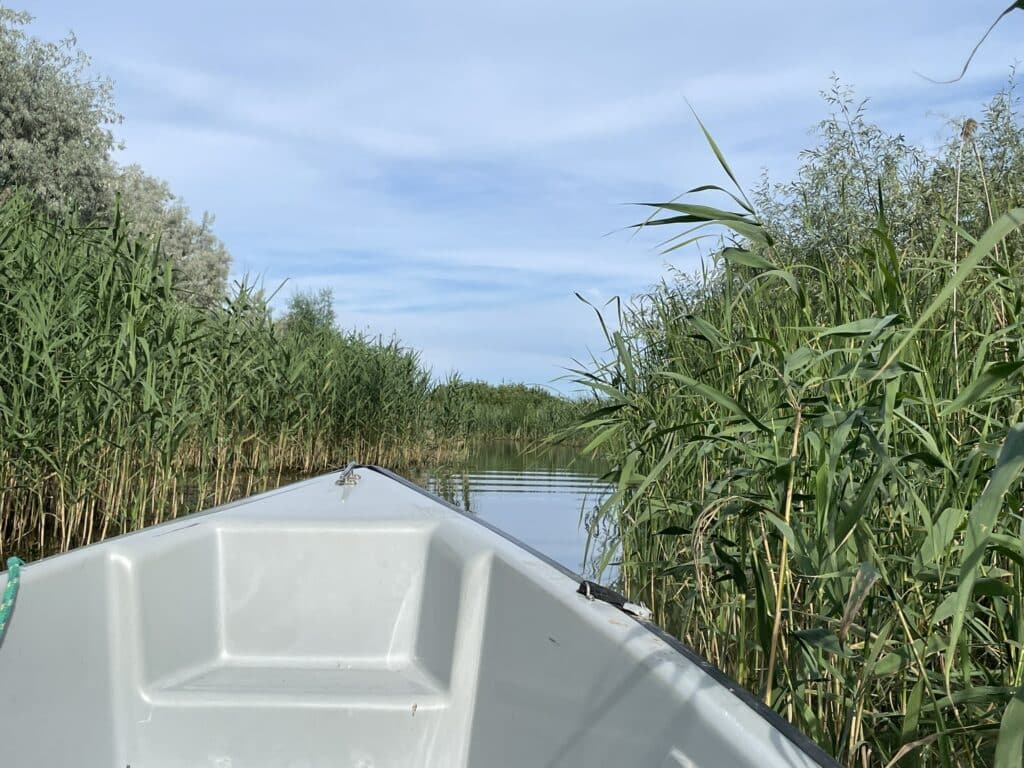
The Dobrogea region and its crown jewel, the Danube Delta, represent one of Europe’s most spectacular yet underrated natural destinations, certainly among the most remarkable underrated places in Europe for wildlife enthusiasts. This UNESCO World Heritage site, where Europe’s second-longest river meets the Black Sea, creates a unique ecosystem that supports an extraordinary diversity of wildlife while providing authentic cultural experiences in traditional fishing communities largely unchanged by modern development. The Danube Delta stands out among underrated places in Europe as offering unparalleled wildlife experiences.
The Danube Delta covers over 4,000 square kilometers and represents Europe’s largest remaining wetland, creating habitats that support over 300 bird species, 160 fish species, and numerous mammals including wildcats, wolves, and the occasional wild horses. For wildlife enthusiasts, the delta provides opportunities to observe species and behaviors impossible to witness elsewhere in Europe, from massive pelican colonies to the seasonal migrations that bring millions of birds through this critical flyway.
The delta’s unique geography requires boat transportation for most exploration, creating inherently authentic and peaceful travel experiences. Traditional fishermen serve as guides, using wooden boats to navigate the intricate network of channels, lakes, and floating islands that characterize the delta landscape. These boat journeys provide constantly changing scenery and wildlife viewing opportunities while maintaining the quiet, meditative pace essential for wildlife observation.
The bird watching opportunities in the Danube Delta rank among Europe’s finest, with species ranging from common European varieties to exotic migrants from Africa and Asia. The delta serves as a crucial stopover point for birds traveling between northern breeding grounds and southern wintering areas, creating seasonal spectacles that attract ornithologists from around the world. Spring and autumn migrations provide particularly impressive displays, with thousands of birds visible simultaneously.
The traditional communities within the delta maintain lifestyles that have remained essentially unchanged for centuries. Villages like Mila 23, accessible only by boat, showcase authentic delta life where fishing provides the primary livelihood and horse-drawn carts navigate the few roads. These communities offer guesthouse accommodation and traditional meals featuring fresh delta fish, providing authentic cultural experiences that contrast dramatically with typical European tourism.
Beyond the delta proper, the broader Dobrogea region offers additional attractions that complement the wetland experience. The region’s multicultural heritage reflects its position at the crossroads between Europe and Asia, with influences from Romanian, Turkish, Russian, Ukrainian, and other cultures creating unique architectural and culinary traditions. Ancient Greek and Roman ruins dot the landscape, while traditional villages showcase building styles adapted to both delta flooding and steppe weather conditions.
The seasonal variations in Dobrogea ensure different experiences throughout the year. Spring brings nesting birds and wildflowers, summer provides ideal conditions for boat exploration and beach visits, autumn offers spectacular migrations and comfortable weather, while winter creates peaceful delta landscapes perfect for solitude and wildlife photography.
14. Northern Greece: Ancient Heritage Meets Natural Beauty
Rich ancient Greek heritage without crowds of southern tourist sites
Dramatic mountain and coastal landscapes offering diverse outdoor activities
Samothraki island provides pristine Greek island experience away from tourist masses
Xanthi showcases authentic traditional Greek town culture
Exceptional value compared to famous Greek islands and Athens
Unique blend of Greek, Ottoman, and Balkan cultural influences
Year-round appeal with mountains for winter activities and coast for summer
Northern Greece remains one of Europe’s most underrated regions among all underrated places in Europe, offering authentic Greek experiences that showcase the country’s diversity beyond its famous islands and ancient sites. This region combines spectacular mountain landscapes, pristine coastline, rich cultural heritage, and traditional Greek life that provides alternatives to the crowded, commercialized destinations that characterize much of modern Greek tourism. As one of the most culturally diverse underrated places in Europe, northern Greece offers experiences that demonstrate Greece’s complexity beyond typical island tourism.
Samothraki island deserves special recognition as one of Greece’s most spectacular yet overlooked destinations. This mountainous island in the northern Aegean Sea rises dramatically from the sea to over 1,600 meters at Mount Fengari, creating landscapes that range from pristine beaches to alpine meadows within a single island. The island’s relative isolation has preserved both its natural beauty and authentic Greek island culture largely unchanged by mass tourism.
Xanthi, located in the Thrace region of northern Greece, showcases a different aspect of Greek culture influenced by the region’s position at the crossroads between Greece, Turkey, and Bulgaria. The town’s old quarter features exceptional Ottoman-era architecture, with colorful mansions, narrow cobblestone streets, and traditional bazaars that reflect the area’s multicultural heritage. The weekly market brings together Greek, Turkish, and Pomak vendors, creating cultural exchanges that demonstrate the region’s continuing diversity. One of the most underrated places that I have visited in Europe is the House of Shadows museum in Xanthi, an amazing art exhibition, where sculptures and shadows create a new, very complex form of art.
The surrounding Rhodope Mountains provide excellent hiking opportunities through landscapes that span from Mediterranean vegetation at lower elevations to alpine environments at higher altitudes. Traditional mountain villages like Xanthi offer guesthouse accommodation and home-cooked meals that showcase regional Greek cuisine influenced by Balkan and Ottoman traditions. These mountain experiences provide authentic Greek rural life rarely accessible to tourists focused on coastal areas.
The region’s archaeological sites, while less famous than those in southern Greece, offer equally significant ancient Greek heritage without the overwhelming crowds. The ancient city of Philippi, where St. Paul first preached Christianity in Europe, provides extensive Roman and early Christian ruins in peaceful settings that allow for contemplative exploration impossible at more famous sites like the Acropolis or Delphi.
For travelers interested in unusual city breaks in Europe, northern Greece provides experiences that combine ancient history, natural beauty, and authentic Mediterranean culture without the commercialization that characterizes more famous Greek destinations. The year-round appeal includes summer coastal and island experiences, autumn hiking and cultural exploration, winter mountain activities, and spring wildflower seasons that transform the landscape. All of these together make Northern Greece not only a great underrated destination for vacation, but also a good place to organize a workaction.
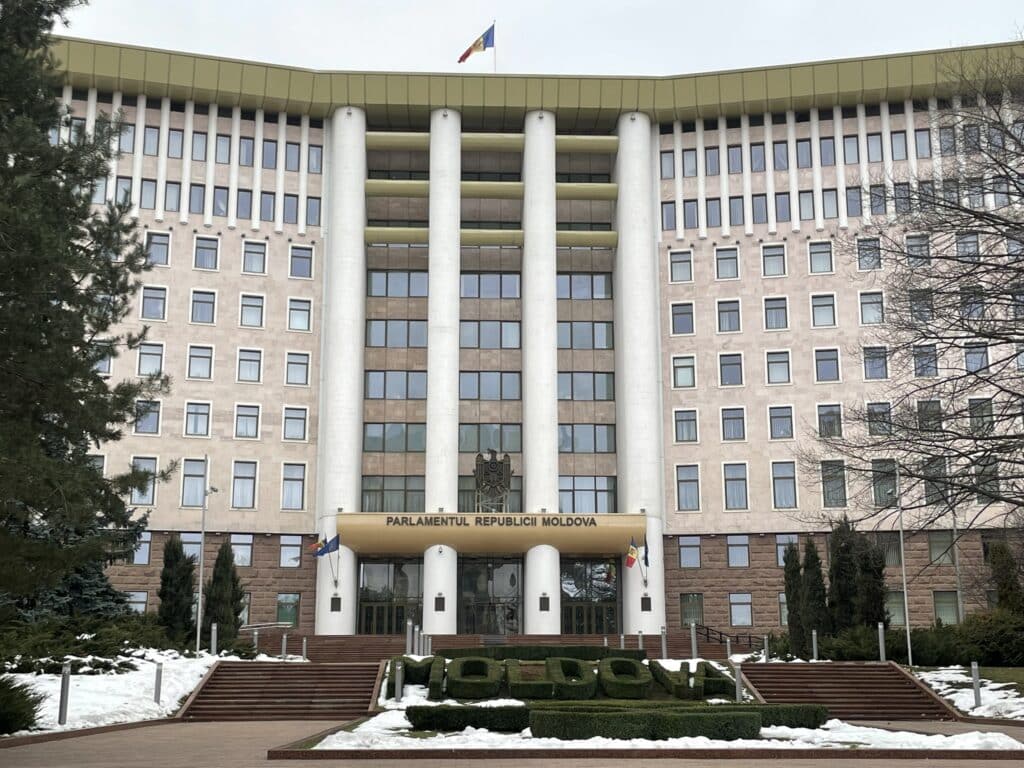
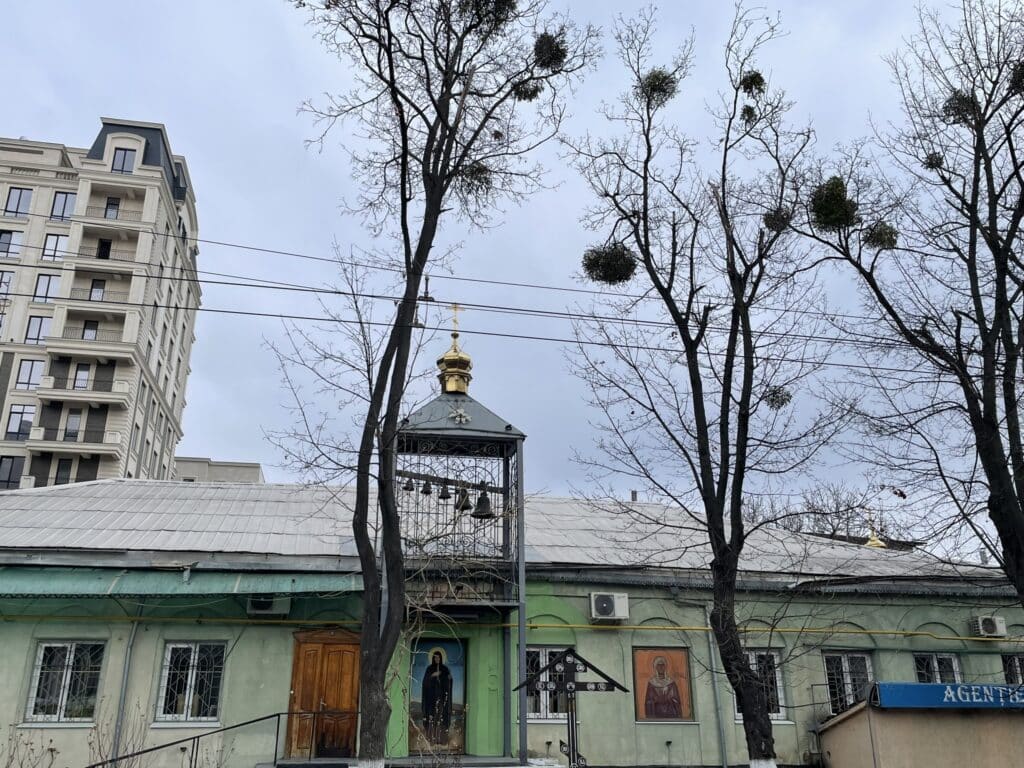
15. Chișinău: Moldova’s Surprising Capital
Country: Republic of Moldova Region: Central Moldova Main reasons why it’s underrated:
Europe’s least visited capital offering authentic post-Soviet cultural experiences
Exceptional wine culture with world-class wineries and cellars
Remarkable value for money with luxury experiences at budget prices
Fascinating Soviet architecture and urban planning alongside traditional elements
Vibrant cultural scene with theaters, museums, and festivals
Unique position between Romanian and Russian cultural influences
Growing reputation as Eastern Europe’s hidden culinary destination
Chișinău, the capital of the Republic of Moldova, stands as Europe’s most underrated capital city among all underrated places in Europe, offering authentic Eastern European experiences that provide insights into post-Soviet cultural development while maintaining exceptional value and surprising sophistication. This city of approximately 700,000 people remains virtually unknown to most international travelers, yet offers cultural richness, historical significance, and unique experiences unavailable anywhere else among underrated places in Europe.
The city’s architectural landscape tells the story of Moldova’s complex history through buildings that span from 19th-century classical structures to Soviet modernist blocks to contemporary developments. The city center features elegant tree-lined boulevards reminiscent of other European capitals, while the famous Ștefan cel Mare Central Park provides green space that serves as the social heart of the city. This mixture of architectural styles creates an urban environment that feels both familiar and distinctly different from other European capitals.
Moldova’s wine culture provides one of Chișinău’s most compelling attractions. The country boasts some of the world’s largest wine cellars, including the famous Mileștii Mici cellars that extend for over 200 kilometers underground. These wine tourism experiences, combined with Moldova’s position as one of Europe’s oldest wine-producing regions, offer oenophiles opportunities to discover exceptional wines at prices that seem impossibly low by Western European standards.
For travelers interested in post-Soviet culture and history, Chișinău provides unique insights into how former Soviet republics have developed their independent identities. The city showcases the ongoing cultural evolution of a young European nation while maintaining connections to its complex historical heritage. Museums and cultural sites explore both the Soviet period and Moldova’s earlier history, providing educational experiences unavailable in other European capitals.
The surrounding countryside offers additional attractions that complement urban exploration. Traditional Moldovan villages maintain rural lifestyles that showcase authentic Eastern European agricultural culture, while numerous wineries provide tours and tastings that demonstrate Moldova’s viticultural heritage. These rural experiences can easily be combined with urban exploration to create comprehensive Moldova travel experiences.
The accessibility of Chișinău continues to improve, with increasing flight connections to major European cities and developing tourist infrastructure that maintains authenticity while providing necessary services for international visitors. The city serves as an excellent introduction to Moldova while providing access to the broader region’s attractions.
Bonus Destinations: Three More Hidden European Gems
Güímar, Tenerife: Archaeological Mystery
The Güímar pyramids in Tenerife create one of Europe’s most intriguing archaeological mysteries. These step pyramids, studied by explorer Thor Heyerdahl, offer alternative attractions to Tenerife’s beach resorts while showcasing the island’s pre-Hispanic Guanche culture. The surrounding ethnographic park provides insights into traditional Canarian life and agricultural practices.
Røros, Norway: Copper Mining Heritage
Røros, a UNESCO World Heritage mining town in central Norway, showcases exceptional wooden architecture and mining heritage in spectacular mountain settings. This historic copper mining town maintains authentic Norwegian culture while providing access to excellent hiking, skiing, and outdoor activities. The town represents Norway’s hidden gems away from expensive fjord tourism.
Lovech, Bulgaria: Medieval Fortress Town
Lovech represents one of Bulgaria’s most beautiful yet underrated destinations, featuring exceptional medieval architecture, dramatic fortress ruins, and authentic Bulgarian culture. The Varosha architectural reserve showcases traditional Bulgarian Revival houses, while the Hisarya fortress provides panoramic views over the surrounding countryside. This destination offers excellent value and authentic Balkan cultural experiences away from tourist crowds.
TL;DR: Top 15 Underrated Places in Europe for Authentic Travel
Skip the crowds and discover Europe’s hidden gems! These 15 secret European destinations offer authentic experiences, incredible value, and stunning beauty without tourist masses:
🏔️ Mountain Paradise: Spanish Pyrenees (cheaper than Alps, pristine nature)
🍷 Cultural Fusion: Basque Country & San Sebastián (world’s best pintxos culture)
🎨 Painted Monasteries: Bucovina, Romania (unique UNESCO frescoes)
🦆 Wildlife Paradise: Danube Delta, Romania (Europe’s largest wetland)
🏛️ Ancient Heritage: Northern Greece (Samothraki island, authentic culture)
🍇 Europe’s Secret: Chișinău, Moldova (world-class wines, incredible value)
Perfect for: Europe on a budget, unusual city breaks Europe, discovering Spain’s hidden gems, and authentic cultural experiences!
Conclusion: Discover Europe’s Best-Kept Secrets and Transform Your Travel
These 15 underrated places in Europe, plus our bonus secret European destinations, demonstrate that the continent’s most rewarding travel experiences often lie far from the beaten path. From the pristine mountain landscapes of the Spanish Pyrenees to the unique cultural fusion of Chișinău, from the painted monasteries of Bucovina to the dramatic cliffs of Eastbourne, these hidden gems in Europe offer authentic experiences that commercial tourism simply cannot replicate.
The common threads connecting these underrated places in Europe include exceptional value, authentic local culture, stunning natural beauty, and the opportunity to experience Europe as locals do rather than as tourists. Whether you’re seeking unusual city breaks in Europe, planning to explore Europe on a budget, or searching for Spain’s hidden gems specifically, these secret European destinations provide alternatives that satisfy wanderlust while supporting sustainable tourism practices.
These underrated European cities and regions offer experiences that will transform your perspective on European travel. Instead of fighting crowds for the perfect Instagram photo, you’ll have pristine landscapes to yourself in these hidden gems in Europe. Rather than paying inflated tourist prices, you’ll enjoy world-class cuisine and accommodation at reasonable costs while traveling Europe on a budget. Most importantly, you’ll return home with stories and memories that no one else has, having experienced the authentic Europe that still exists in these underrated places in Europe.
The future of European travel lies in destinations like these – secret European destinations that offer genuine cultural exchange, environmental sustainability, and economic benefits to local communities rather than exploitation. By choosing these underrated places in Europe for your next adventure, you’re not just ensuring a more authentic and affordable travel experience; you’re supporting a more sustainable and equitable form of tourism that benefits both travelers and the communities they visit.
💬 Share Your Hidden Gem Discoveries! Have you visited any of these underrated places in Europe? Planning to explore these hidden gems in Europe? Drop a comment below sharing your experiences or questions about these secret European destinations! Your insights help fellow travelers discover authentic Europe on a budget.
📸 Follow Us for More Hidden Gems in Europe Don’t miss our latest discoveries of underrated European cities and unusual city breaks in Europe! Follow us on Instagram[@theverse_voyager] for stunning photos from these secret European destinations, travel tips for Europe on a budget, and exclusive content about Spain’s hidden gems and other underrated places in Europe.
❤️ Love This Guide to Europe’s Hidden Gems? Help other travelers discover these incredible underrated places in Europe by sharing this post and tagging friends who need authentic European adventures! Every share helps preserve these secret European destinations by promoting responsible tourism.
FAQ: Everything About Europe’s Hidden Gems and Underrated Destinations
What makes these underrated places in Europe special?
These hidden gems in Europe offer authentic cultural experiences, stunning natural beauty, and exceptional value without the overwhelming crowds found at famous tourist destinations. Each of these secret European destinations provides unique experiences unavailable elsewhere, from UNESCO World Heritage sites to pristine wilderness areas.
How much can I save by visiting these underrated European cities instead of popular destinations?
Traveling to these hidden gems in Europe can save you 50-70% compared to famous European destinations. For example, accommodation in underrated places in Europe like Wrocław or Chișinău costs a fraction of Paris or Rome prices, while offering comparable cultural richness and experiences.
Which of these secret European destinations are best for Europe on a budget travel?
All 15 underrated places in Europe offer excellent budget value, but Romania (Bucovina, Danube Delta), Poland (Wrocław), Moldova (Chișinău), and northern Greece provide the most dramatic savings while delivering world-class experiences among underrated places in Europe. These destinations excel for those seeking Europe on a budget without compromising authenticity, representing the best value underrated places in Europe for budget-conscious travelers.
What are the best Spain hidden gems from this list?
Spain’s hidden gems featured include the Spanish Pyrenees (offering pristine mountain experiences cheaper than the Alps), Basque Country with San Sebastián (world’s best pintxos culture), and Northern Tenerife (authentic Canarian culture away from resort crowds). These Spain hidden gems showcase the country beyond its famous beaches.
Are these underrated places in Europe suitable for unusual city breaks in Europe?
Absolutely! Cities like Wrocław with its dwarf statue trail, Trieste with its unique coffee culture, Bordeaux with its wine heritage, and Annecy with its Alpine lake setting provide perfect unusual city breaks in Europe among the finest underrated places in Europe. Each offers distinctive experiences unavailable in mainstream European cities, making these underrated places in Europe ideal for travelers seeking unique urban adventures.
When is the best time to visit these hidden gems in Europe?
These underrated places in Europe offer year-round appeal with different seasonal highlights among the various underrated places in Europe:
Spring/Summer: Perfect for all destinations, especially coastal areas and mountain hiking in underrated places in Europe
Autumn: Ideal for wine regions (Bordeaux, Moldova) and cultural exploration of underrated places in Europe
Winter: Excellent for mountain destinations (Pyrenees, Schwarzwald) and indoor cultural activities in underrated places in Europe
Any season: Cities like Wrocław, Trieste, and Eastbourne among underrated places in Europe offer consistent appeal throughout the year
How do I get to these secret European destinations?
Most of these underrated places in Europe are easily accessible via major European transport networks:
By air: Nearest international airports with budget airline connections
By train: Excellent rail connections throughout Europe, especially Germany and France destinations
By car: Perfect for exploring multiple hidden gems in Europe on single trips
Local transport: All destinations feature good local transportation for exploring
Which destinations combine well for multi-destination trips to Europe’s hidden gems?
Perfect combinations include:
Germany’s southern duo: Schwarzwald + Uhldingen for diverse German experiences
Eastern Romania discovery: Bucovina + Danube Delta for complete authentic Romanian adventure
Northern Spain’s hidden gems tour: Pyrenees + Basque Country
France’s secret treasures: Bordeaux/Arcachon + Annecy for wine and mountains
Are these underrated places in Europe family-friendly?
Yes! Many of these hidden gems in Europe excel for families:
Barcelona, the vibrant capital of Catalonia, offers an incredible blend of Gothic architecture, modernist masterpieces, Mediterranean beaches, and world-class cuisine. Whether you’re a first-time visitor or returning to explore more, knowing what to see in Barcelona in 3 days can help you maximize your experience in this captivating city.
Planning what to see in Barcelona in 3 days requires balancing must-visit attractions with hidden gems that locals cherish. This comprehensive guide will take you through both touristy and off-the-beaten-path experiences, help you understand Barcelona’s costs, discover the best nightlife spots, and provide detailed itineraries to make the most of your Barcelona adventure.
From Gaudí masterpieces to secret rooftop bars, from Gothic Quarter exploration to hidden Barcelona neighborhoods, this guide covers everything you need to know about what to see in Barcelona in 3 days.Barcelona, the vibrant capital of Catalonia, offers an incredible blend of Gothic architecture, modernist masterpieces, Mediterranean beaches, and world-class cuisine. Whether you’re a first-time visitor or returning to explore more, knowing what to see in Barcelona in 3 days can help you maximize your experience in this captivating city.
Planning what to see in Barcelona in 3 days requires balancing must-visit attractions with hidden gems that locals cherish. This comprehensive guide will take you through both touristy and off-the-beaten-path experiences, help you understand Barcelona’s costs, discover the best nightlife spots, and provide detailed itineraries to make the most of your Barcelona adventure.
From Gaudí masterpieces to secret rooftop bars, from Gothic Quarter exploration to hidden Barcelona neighborhoods, this guide covers everything you need to know about what to see in Barcelona in 3 days.
What to See in Barcelona in 3 Days: Non Touristy Things to Do
Discovering non touristy things to do in Barcelona reveals the city’s authentic soul beyond the crowded attractions. These secret things to do in Barcelona and local experiences provide genuine insights into Barcelona’s culture while offering hidden gems that most tourists never discover.
Parc del Labirint d’Horta stands as one of Barcelona’s most enchanting secret things to do in Barcelona. This 18th-century neoclassical garden features a beautiful hedge maze that provides fun exploration for visitors of all ages. The park’s peaceful atmosphere and intricate landscaping create a romantic escape from the city’s hustle, making it perfect for afternoon strolls and photography. Few tourists know about this local gem, ensuring a more intimate experience with Barcelona’s green spaces.
Tibidabo offers spectacular views as Barcelona’s highest point, crowned by the stunning Sacred Heart Cathedral. This elevated location provides panoramic vistas across the entire city and Mediterranean coastline. The cathedral’s neo-Gothic architecture creates dramatic silhouettes against Barcelona’s skyline, while the surrounding area offers peaceful walks and contemplative moments. Local Barcelona residents often visit Tibidabo for sunset viewing and spiritual reflection.
Carretera de les Aigües represents one of Barcelona’s best-kept hiking secrets. This elevated trail follows the Collserola mountain ridge, providing continuous stunning views over the city while offering perfect walking terrain for day exploration. The path attracts more locals than tourists, creating opportunities for authentic encounters with Barcelona’s outdoor community. The trail’s accessibility makes it suitable for various fitness levels while delivering extraordinary photographic opportunities.
Poble Sec embodies authentic Barcelona neighborhood culture, particularly along Carrer de Blai. This historic district overflows with traditional tapas bars and local pubs, creating ideal conditions for evening tapas bar hopping. The area’s narrow streets and intimate venues provide genuine interactions with Barcelona locals while offering authentic Catalan cuisine at reasonable prices. Evening exploration reveals the neighborhood’s true character as residents gather for traditional socializing.
Sakya Tashi Ling Buddhist Temple offers spiritual tranquility near Barcelona’s outskirts. This authentic Buddhist center provides meditation opportunities and cultural insights into Eastern philosophy within a peaceful mountain setting. The temple’s serene atmosphere contrasts beautifully with Barcelona’s urban energy, making it perfect for visitors seeking contemplative experiences and spiritual exploration.
Pedralbes Monastery and Neighborhood combines historical significance with Barcelona’s most elegant residential area. While the monastery itself offers modest attractions, the surrounding Pedralbes district showcases Barcelona’s most prestigious architecture and peaceful tree-lined streets. This upscale neighborhood represents Barcelona’s equivalent to affluent areas like Primaverii, featuring stunning mansions and sophisticated urban planning.
Playa del Petroli in Badalona delivers a more peaceful beach experience just 20 minutes from Barcelona’s center via metro. This cleaner, quieter alternative to crowded city beaches features affordable waterfront terraces and bars without tourist pricing. The beach’s relaxed atmosphere attracts primarily local families and residents, providing authentic Mediterranean coastal culture away from tourist crowds.
Playa de Castelldefels represents Barcelona’s most beautiful nearby beach, located 40-50 minutes from the city center. This stunning coastal resort town features elegant villas and mansions, including homes of many FC Barcelona players. The beach’s pristine conditions and upscale surroundings create a sophisticated coastal experience while maintaining accessibility from Barcelona’s urban core.
Playa de Nova Icaria offers a more relaxed beach experience within Barcelona itself, providing a calmer alternative to bustling Barceloneta. This local favorite features better facilities and less crowded conditions while maintaining easy access to city amenities. The beach’s positioning attracts more Barcelona residents than tourists, creating authentic local beach culture.
Costa Brava Day Trips extend Barcelona experiences to include spectacular coastal destinations. These hidden gems along Catalunya’s coastline offer pristine beaches, charming fishing villages, and dramatic cliff landscapes within easy reach of Barcelona. Day trips reveal authentic Catalan coastal culture while providing escape from urban environments. For more information about best places to go on Costa Brava you can check my article about Costa Brava.
Ideal Centre d’Arts Digitals showcases cutting-edge digital art experiences through VR and immersive installations. This innovative cultural center represents Barcelona’s modern artistic evolution while providing interactive experiences that traditional museums cannot offer. The center’s technology-focused exhibitions create unique memories while demonstrating Barcelona’s commitment to contemporary culture.
What to See in Barcelona in 3 Days: Touristic Things to Do in Barcelona
Understanding what to see in Barcelona in 3 days means embracing the city’s iconic attractions alongside its hidden treasures. These popular destinations became famous for good reasons and deserve inclusion in any comprehensive Barcelona itinerary.
Sagrada Família – Barcelona’s Crown Jewel. The Sagrada Família stands as Barcelona’s most recognizable landmark and essential component of what to see in Barcelona in 3 days. Antoni Gaudí’s masterpiece combines Gothic and Art Nouveau forms in ways that continue inspiring architects worldwide. This UNESCO World Heritage site requires advance Barcelona ticket booking to avoid lengthy queues and explore both the basilica’s interior and towers. The morning light filtering through the stained glass windows creates magical color displays, while the intricate facades tell biblical stories through stone sculptures.
Park Güell showcases Gaudí’s whimsical approach to landscape design, featuring colorful mosaics, organic shapes, and stunning city views. The park’s main terrace provides excellent photo opportunities while the surrounding gardens offer peaceful walks through Gaudí’s imaginative world. The famous mosaic dragon and serpentine bench demonstrate Gaudí’s innovative use of broken ceramics (trencadís technique). Early morning visits ensure better lighting and fewer crowds for optimal photography.
The Magic Fountain (Font Màgica) creates spectacular evening entertainment combining water, light, and music in synchronized displays. Located on Montjuïc Hill, this attraction draws crowds for its free performances, particularly during weekend evenings. The fountain’s shows feature classical music, popular songs, and dramatic lighting effects that transform the water into dancing sculptures. The surrounding area offers additional attractions including the National Art Museum of Catalonia and Olympic installations.
The Gothic Quarter represents Barcelona’s historical heart, containing Roman ruins, medieval churches, and atmospheric plazas. Barcelona walking tours through these ancient streets reveal layers of history from Roman Barcino to medieval Barcelona. The Cathedral of Barcelona anchors the quarter with its impressive facade and peaceful cloister, while Plaça Sant Jaume serves as Barcelona’s political center.
Barceloneta Beach represents Barcelona’s most famous coastal destination, offering golden sand, Mediterranean waters, and vibrant beach culture. This central beach features numerous chiringuitos (beach bars), water sports rentals, and the iconic boardwalk perfect for evening strolls. The area’s .
seafood restaurants serve fresh paella and local specialties while street performers create entertaining atmospheres. Barceloneta’s proximity to the city center makes it easily accessible via Barcelona public transport.
Additional Gaudí Masterpieces. Casa Batlló and Casa Milà (La Pedrera) demonstrate Gaudí’s residential architecture mastery. These UNESCO World Heritage sites feature innovative facades, creative interior spaces, and rooftop terraces with distinctive chimney designs. Audio guides enhance understanding of Gaudí’s techniques and philosophical approaches to modernist architecture
Is Barcelona Expensive? – What Budget for Barcelona?
Understanding Barcelona’s costs helps answer “is Barcelona expensive?” and enables better trip planning. Barcelona budget travel requires strategic choices about accommodation, dining, and activities while maintaining quality experiences.
Accommodation Costs
Barcelona offers accommodation options for various budgets, from hostels to luxury hotels. Central locations like Gothic Quarter and Eixample command premium prices, while neighborhoods like Gràcia and Poblenou provide more affordable alternatives with excellent Barcelona public transport connections.
Budget travelers can find hostel beds for €20-30 per night, mid-range hotels typically cost €120-200 per night, while luxury accommodations range from €200-400+ per night. Booking in advance and avoiding peak tourist seasons significantly reduces costs.
Dining and Food Expenses
Barcelona’s dining scene accommodates different budgets through various options. Tapas bars offer affordable meals with portions costing €3-8 each, while set lunch menus (menú del día) provide full meals for €12-18. These represent excellent value compared to tourist-oriented restaurants.
Local markets enable budget-conscious travelers to purchase fresh ingredients for picnic meals. Combining market visits with park dining creates memorable experiences while controlling food costs. Barcelona’s numerous parks and Barcelona beaches provide perfect picnic settings.
Transportation and Activity Costs
Barcelona public transport proves both efficient and economical. The T-Casual transport card offers ten journeys for approximately €13, covering metro, bus, and tram systems. Walking remains the best way to explore compact neighborhoods while saving money and discovering unexpected attractions. The taxi is a bit expensive compared to other prices in Spain. A ride from the airport to the city center being around 50 euros.
Many Barcelona attractions offer combined tickets or city passes that reduce individual entry costs. Free activities include beach visits, park exploration, and architectural appreciation from exterior viewpoints. Planning ahead with Barcelona ticket booking ensures availability while sometimes providing discounts.
For more information about Barcelona transportation, more city maps and schedule you can check the official city website.
Barcelona Clubs – Where to have fun in Barcelona?
Barcelona’s nightlife scene offers diverse experiences from intimate cocktail bars to massive dance clubs. Understanding Barcelona clubs helps visitors experience the city’s renowned party culture while respecting local customs and timing.
Nightlife Districts
The Gothic Quarter contains numerous bars and smaller clubs perfect for starting evening adventures. These venues typically open earlier than major clubs and offer more intimate atmospheres for conversation and socializing. The area’s medieval streets create unique settings for bar hopping.
El Born and Barceloneta neighborhoods feature waterfront clubs and Barcelona rooftop bars with stunning city and sea views. These venues combine excellent cocktails with memorable settings, making them popular choices for both locals and visitors seeking sophisticated nightlife experiences.
Club Culture and Timing
Barcelona clubs operate on Mediterranean schedules, with most venues reaching peak activity between 2-5 AM. This timing allows for extended dinner experiences and bar visits before transitioning to dance clubs. Understanding these schedules prevents disappointment and ensures optimal experiences.
Entry policies vary significantly between venues, with some requiring advance reservations or guest list registration. Dress codes tend toward smart casual, though specific requirements depend on individual establishments. Researching venues beforehand helps avoid entry complications.
Barcelona Rooftop Bars and Sunset Venues
Barcelona’s rooftop bars provide spectacular sunset viewing opportunities while offering premium cocktails and refined atmospheres. These venues combine excellent drinks with panoramic city views, creating memorable experiences perfect for romantic evenings or special celebrations.
Many rooftop venues operate seasonally, with summer months providing optimal weather for outdoor enjoyment. Reservations often prove necessary, particularly for weekend evenings and sunset hours when demand peaks significantly.
Example of 3 Days Barcelona Itinerary
Day 1: Central Barcelona Highlights
9:00 AM – 11:00 AM: Sagrada Família
Full exploration including towers (pre-booked tickets essential)
Allow 2 hours for comprehensive visit
12:00 PM – 12:30 PM: Travel to Passeig de Gràcia
15-minute metro ride from Sagrada Família
Short walk to start of avenue
12:30 PM – 2:00 PM: Walk Passeig de Gràcia
Explore luxury shopping street
Admire Casa Batlló and Casa Milà exteriors
Window shopping and architecture photography
2:00 PM – 3:00 PM: Lunch break
Traditional Catalan restaurant along Passeig de Gràcia
Rest before afternoon exploration
3:00 PM – 3:30 PM: Travel to El Born
20-minute walk or short metro ride
Navigate to Santa Maria del Mar area
3:30 PM – 5:30 PM: Explore El Born
Santa Maria del Mar basilica
Picasso Museum (if time permits)
Browse trendy boutiques and galleries
Experience neighborhood’s artistic atmosphere
5:30 PM – 6:00 PM: Walk to Gothic Quarter
Adjacent neighborhoods, 10-minute walk
Enter via Carrer de la Princesa
6:00 PM – 8:00 PM: Gothic Quarter exploration
Barcelona Cathedral and cloister
Roman walls and medieval streets
Plaça Sant Jaume and surrounding areas
Traditional shops and hidden courtyards
8:00 PM – 8:30 PM: Travel to Barceloneta
25-minute walk or metro L4 to Barceloneta
Head directly to beachfront
8:30 PM – 10:00 PM: Barceloneta Beach and dinner
Beach stroll and sunset viewing
Fresh seafood at beachfront chiringuito
Experience Mediterranean atmosphere
10:30 PM – Late: Night in Poble Sec
Tapas bar hopping along Carrer de Blai
Authentic local nightlife experience
Day 2: Nature, Heights, and Hidden Gems
8:00 AM – 9:00 AM: Early breakfast and travel preparation
Light breakfast near accommodation
Check weather conditions for outdoor activities
9:00 AM – 10:00 AM: Travel to Parc del Labirint d’Horta
Metro L3 to Mundet station
10-minute walk to park entrance
10:00 AM – 12:00 PM: Parc del Labirint d’Horta
Explore hedge maze and neoclassical gardens
Photography and peaceful garden walks
Experience Barcelona’s most beautiful secret park
12:00 PM – 1:00 PM: Travel to Carretera de les Aigües
Probably the best way is to travel by taxi.
Pack water and snacks for hiking; also it would be a good idea to pack the lunch for the hike
1:00 PM – 3:00 PM: Hike Carretera de les Aigües
Elevated trail with continuous city views
Moderate difficulty hiking experience
Spectacular photography opportunities
3:00 PM – 4:00 PM: Travel to Tibidabo
Continue from hiking area or return to city center
Funicular or bus to summit
4:00 PM – 6:00 PM: Tibidabo
Sacred Heart Cathedral visit
Panoramic city and coastline views
Peaceful spiritual atmosphere
6:00 PM – 7:00 PM: Travel to Park Güell
The best way for transit is taxi + metro
Metro and bus connections required
7:00 PM – 8:30 PM: Park Güell
Gaudí’s landscape architecture masterpiece
Famous mosaic dragon and serpentine bench
City views during golden hour
08:30 PM – 09:00 PM: Travel to central Barcelona
Return to city center for nightlife
Choose rooftop bar or club location
11:00 PM – Late: Club or rooftop bar experience
Barcelona’s famous nightlife scene
Dancing, cocktails, and late-night socializing
Experience Mediterranean party culture
Day 3: Costa Brava Day Trip
7:00 AM – 8:00 AM: Early breakfast and departure preparation
Understanding what to see in Barcelona in 3 days requires balancing iconic attractions with authentic local experiences. This comprehensive approach ensures visitors appreciate both Barcelona’s international reputation and its genuine character as a living, breathing Mediterranean city.
Successful Barcelona visits combine careful planning with spontaneous discovery opportunities. While major attractions like Gaudí masterpieces and Gothic Quarter exploration deserve inclusion in any itinerary, the most memorable experiences often emerge from unexpected encounters with local culture, hidden neighborhoods, and authentic Catalan traditions.
Barcelona’s diverse offerings ensure that every visitor can find personally meaningful experiences, whether through art appreciation, culinary adventures, architectural wonder, or simply enjoying the Mediterranean lifestyle that defines this remarkable city.
The key to maximizing what to see in Barcelona in 3 days lies in understanding that Barcelona rewards both structured planning and flexible exploration. By combining must-see attractions with personal interests and local discoveries, visitors create comprehensive Barcelona experiences that extend far beyond typical tourist encounters.
What to see in Barcelona in 3 days: Focus on Gaudí masterpieces (Sagrada Família, Park Güell), Gothic Quarter exploration, and Barcelona beaches. Include both touristy attractions and non touristy things to do in Barcelona like going to the hills above the city and other hidden gems as Parc del Labirint d’Horta, or Tibidabo.
Budget: Barcelona is moderately expensive. Expect €20-30 for hostel beds, €120-200 for mid-range hotels, €12-18 for lunch menus, and €12 for 10-journey transport cards. Advanced Barcelona ticket booking saves money and time.
Nightlife: Barcelona clubs operate late (2-5 AM). Start with Gothic Quarter or El Born bars, then move to major clubs. Barcelona rooftop bars offer sunset views and premium experiences.
Essential Barcelona itinerary: Day 1 – Sagrada Familia and the old city center; Day 2 – Try a hike in the mountains nearby and enjoy other hidden gems in Barcelona; Day 3 – Have a day trip around!

![The 10 days Andalusia Travel Itinerary: Unlock Southern Spain’s Hidden Soul [2026 Guide]](https://theversevoyager.com/wp-content/uploads/2025/09/andalusia-travel-itinerary-seville.jpg "The 10 days Andalusia Travel Itinerary: Unlock Southern Spain's Hidden Soul [2026 Guide] 1")
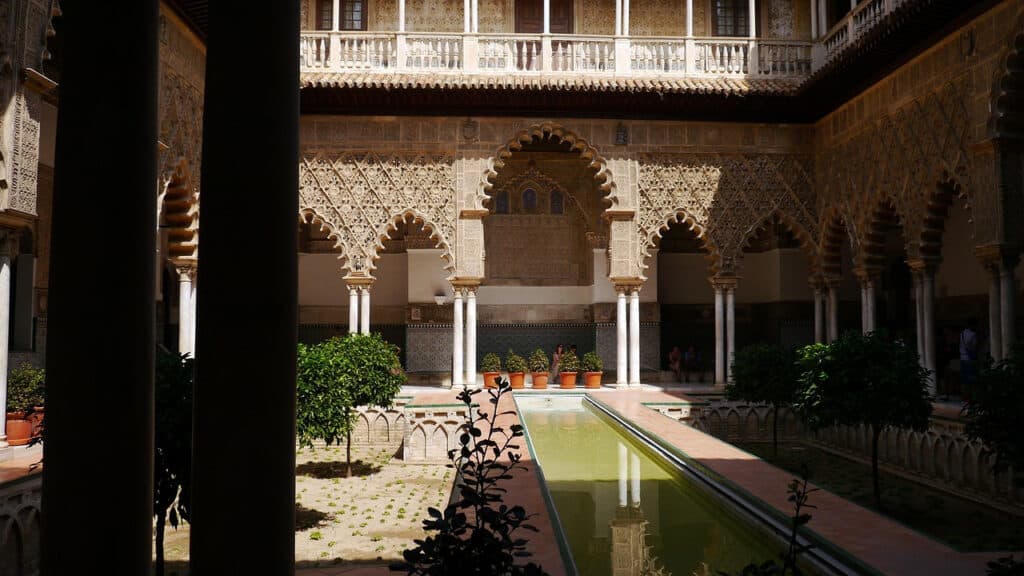
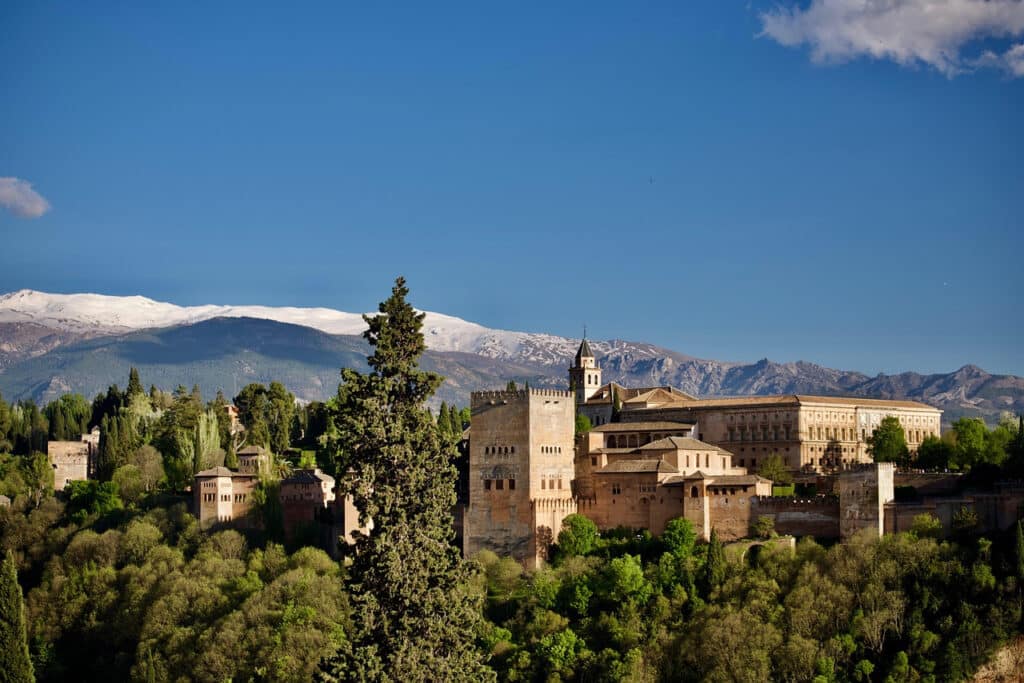
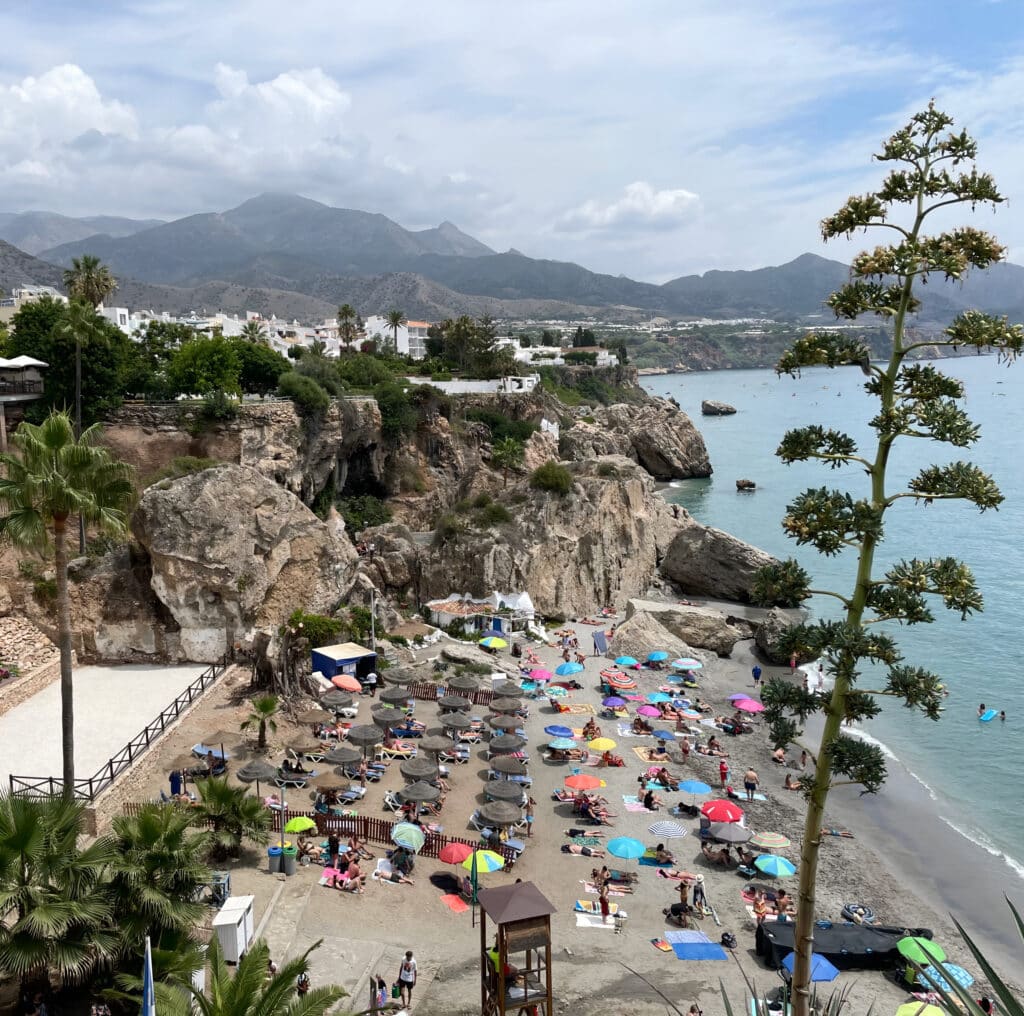
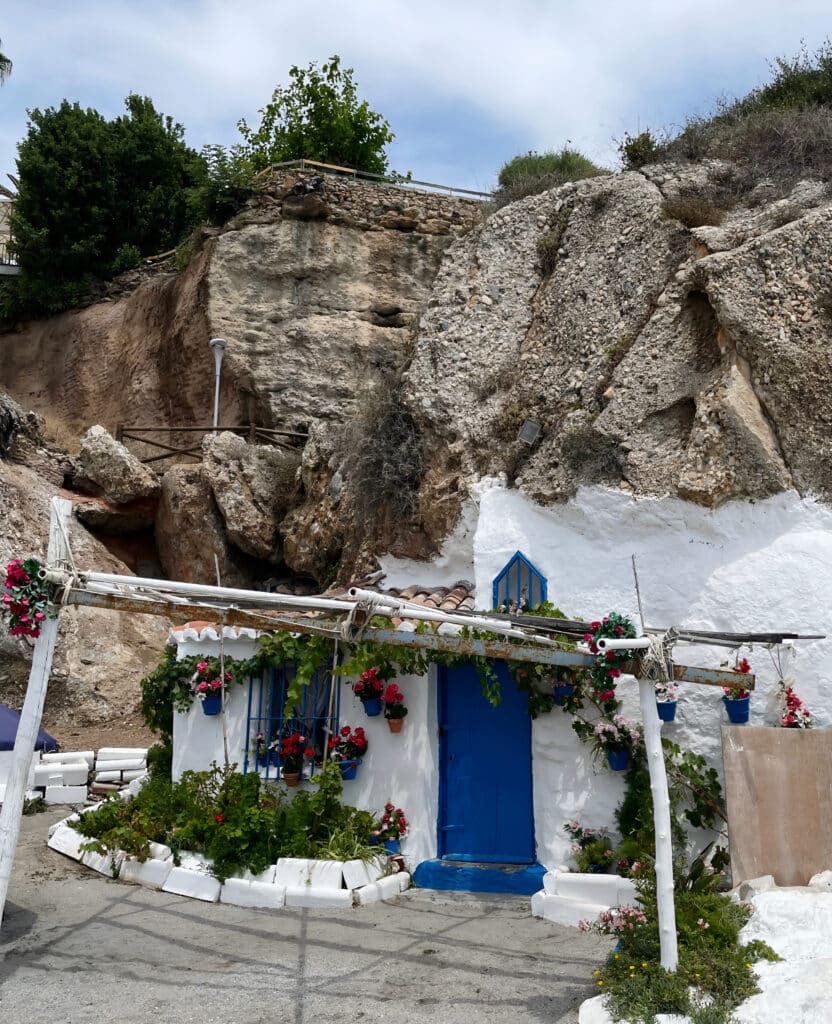
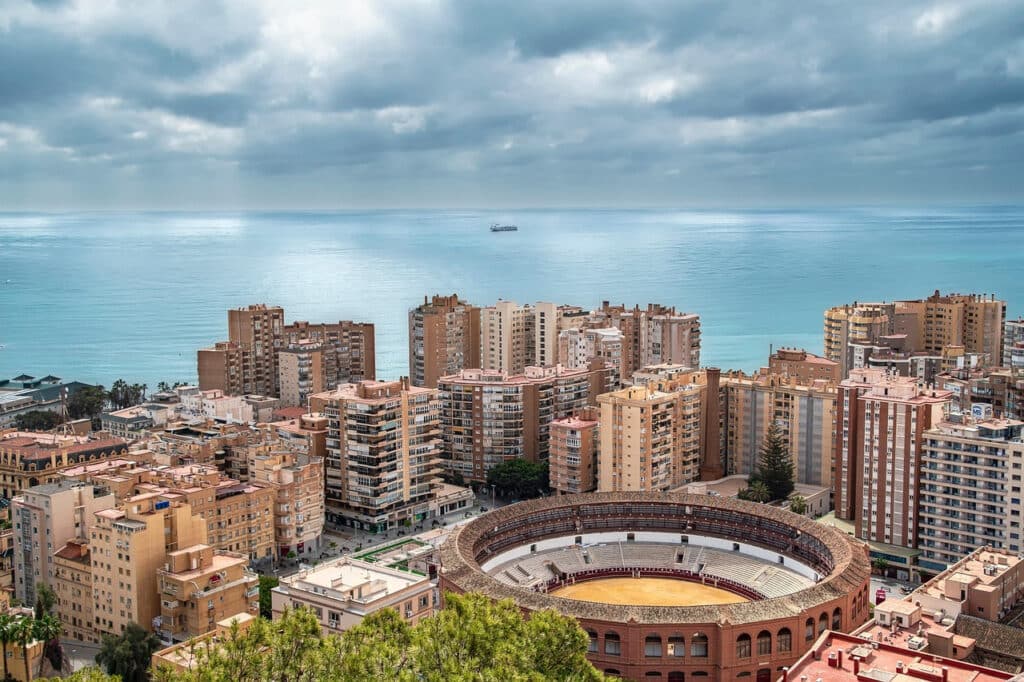
![15 Breathtaking Underrated Places in Europe That Will Transform Your Travel Experience [2026 Guide]](https://theversevoyager.com/wp-content/uploads/2025/08/Schwarzwald-lake.jpeg "15 Breathtaking Underrated Places in Europe That Will Transform Your Travel Experience [2026 Guide] 7")