
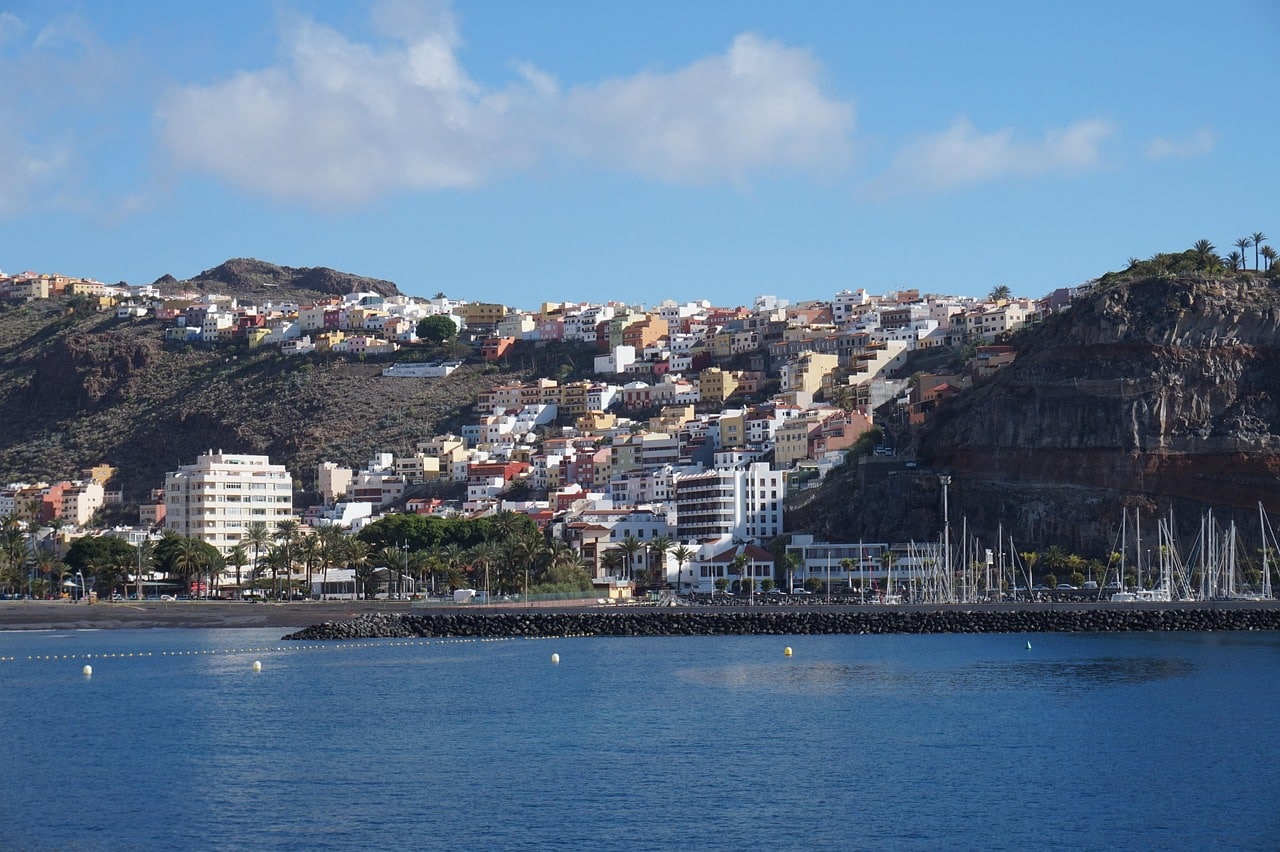
Table of Contents
Most travel guides do not label Spain regions by personality and start with a destination and ask you to fit yourself into it. You read about Barcelona, decide it sounds nice, book a flight, and hope your personality does not quietly rebel three days in. Anyone who has stood in a midday queue outside the Sagrada Familia in August, sweating, hungry, and faintly furious, knows the feeling.
This article runs the question backwards. You start with who you are, and we work toward where in Spain you will feel most alive.
The framework is the Big Five personality model, which is the most validated structure in personality science. Five traits: Openness, Conscientiousness, Extraversion, Agreeableness, and Neuroticism. Each has been studied for decades, and several specific facets within them, like Excitement-Seeking, Aesthetics, and Anxiety, are unusually strong predictors of which kinds of places restore you and which ones drain you.
Spain is the perfect country to apply this lens to. Few other destinations contain so many genuinely different worlds inside one border. Catalonia and Andalusia barely share a temperament. The green Atlantic north feels closer to Ireland than to Seville. Tenerife sits four hours by plane from Madrid and might as well be a different planet. Picking the wrong corner of Spain for your personality is not a small mistake. It is the difference between a holiday that loosens something inside you and a holiday that just leaves you tired.
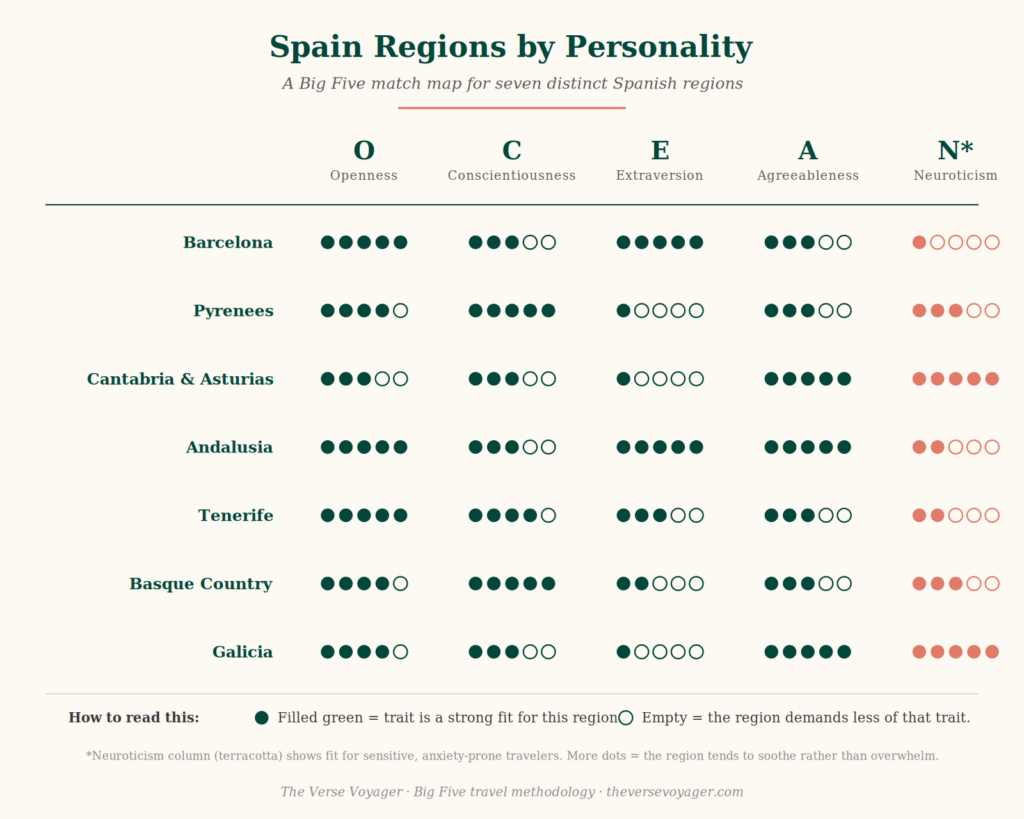
What follows is a tour through seven Spanish regions, mapped to the kinds of travelers each one tends to suit best. Barcelona, the Pyrenees, Cantabria and Asturias, Andalusia, Tenerife, the Basque Country, and Galicia. Read with curiosity. The point is not to box yourself in but to recognize the regions where the way you naturally move through the world is met halfway by the way the place is.
This route rewards some temperaments more than others. Take the two-minute quiz and find out whether it fits the way you actually travel, before you copy a single day of it.
A Brief Note on the Big Five (and Why It Beats “Adventurous vs Relaxed”)
If you have ever taken a personality quiz online, you have probably been told you are an “explorer,” a “wanderer,” or a “free spirit.” These categories are flattering and almost entirely useless for travel planning, because they describe what you want to be, not how you actually function under pressure, fatigue, novelty, or social demand.
The Big Five works differently. It measures five dimensions on a continuum:
- Openness: how much you crave novelty, beauty, and ideas.
- Conscientiousness: how much you rely on order, planning, and discipline.
- Extraversion: how much energy you draw from people and stimulation.
- Agreeableness: how much you value warmth, harmony, and trust.
- Neuroticism: how reactive you are to stress, uncertainty, and discomfort.
Each trait also breaks down into smaller facets that matter even more for travel. Excitement-Seeking, a facet of Extraversion, predicts whether you light up in a Madrid plaza at midnight or want to lie down. Aesthetics, a facet of Openness, predicts whether the Alhambra moves you to tears or registers as “nice tilework.” Anxiety, a facet of Neuroticism, predicts whether unfamiliar transit systems feel like an adventure or a slow horror.
Travel research consistently finds that these facets predict trip satisfaction better than the broad traits do. Someone scoring high on Openness in general but low on Excitement-Seeking will love a Galician monastery and hate a Barcelona club. The averages lie. The details tell the truth.
This is the framework we use at The Verse Voyager when designing tailor-made trips. The IPIP-NEO assessment gives a structured read on these five traits and their thirty facets, and the result becomes the quiet logic underneath every recommendation we make. The regional matches below follow the same logic, distilled.
1. Barcelona: For High Openness, High Extraversion, Low Anxiety
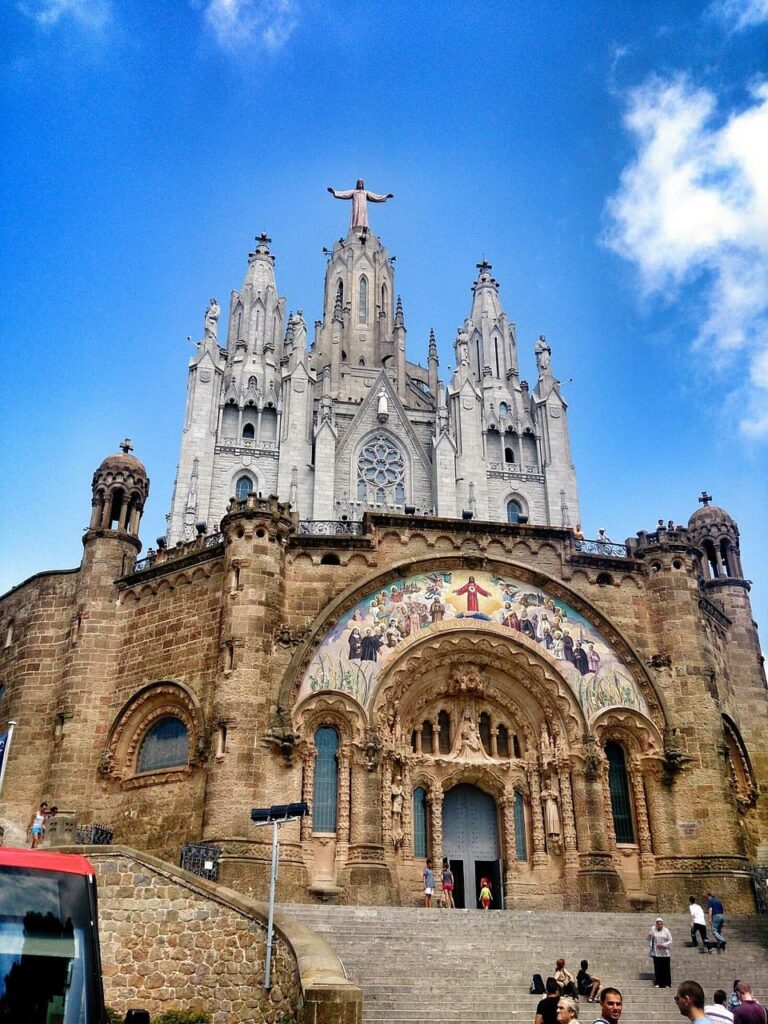
Barcelona is the easiest Spanish region to explain in personality terms, because it is so unambiguously stimulating. Density, architecture you have to physically lean back to take in, food eaten standing up at 11 p.m., a coastline pressed against a mountain range pressed against a medieval grid. The city does not whisper. It performs.
This rewards two specific patterns. The first is high Openness, especially the Aesthetics facet. Gaudi, Miro, the Modernista facades along Passeig de Gracia, the Gothic Quarter’s compressed centuries, all of it rewards a mind that genuinely enjoys taking in unusual forms. If “interesting buildings” is something you would say aloud to no one in particular while walking, you will do well here.
The second is moderate-to-high Extraversion. Barcelona’s social tempo is closer to Buenos Aires than to most of Northern Europe. Dinner at 10. Conversation at full volume. Strangers happy to keep talking past midnight. If you score high on Excitement-Seeking, this is where Spain will feel most like itself. If you lean introverted, the city is still rich, but you will need to design more recovery time than you think, and the quieter neighborhoods (Gracia, Sant Antoni, parts of Poblenou) become essential rather than optional.
The pattern that struggles in Barcelona is high Neuroticism combined with low Openness. The constant input, the pickpocket vigilance, the August heat, the sheer choice of where to eat and what to skip, all of it amplifies anxiety in travelers who already arrive a little stretched. In the years I lived in Barcelona, the friends who returned again and again were the ones who treated the city as a long bath rather than a checklist. The friends who came once and never came back tried to see everything in four days.
We sometimes redirect anxiety-prone travelers to Girona or the Costa Brava villages instead, with day trips into the city, and they come away loving Catalonia far more than they would have.
Best fits: travelers high in Openness, especially the Aesthetics and Ideas facets, with moderate-to-high Extraversion and the resilience to handle a busy environment. If you are in this category check my article about what to see in Barcelona in 3 days.
2. The Pyrenees: For High Conscientiousness, Low Excitement-Seeking, High Openness to Nature
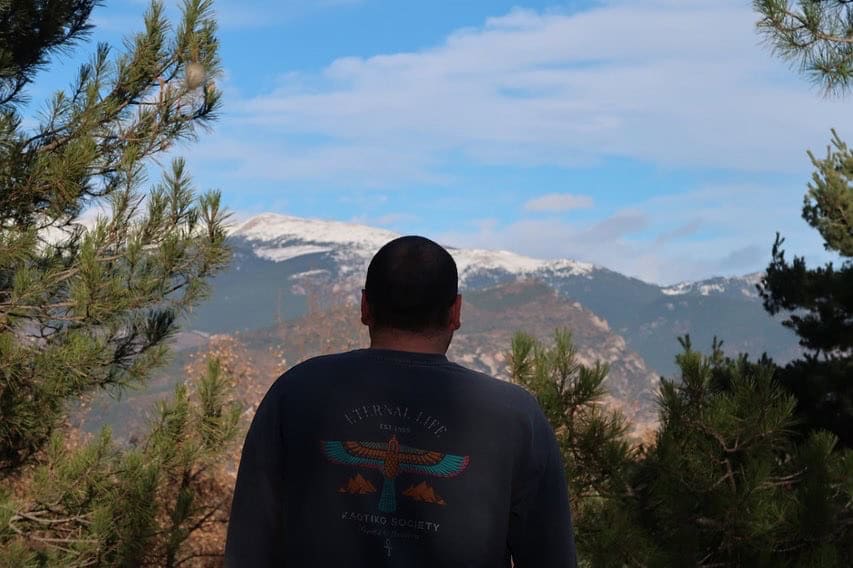
The Pyrenees do not announce themselves the way the Alps do. The Spanish side, in particular, runs quieter and rougher and more local. Stone villages sitting at valley heads. Trails that have been walked since the medieval pilgrimage routes. Wolves still in the Sierra de Guara. Few crowds outside of high August.
This is a region for travelers who feel restored by physical effort and clear structure. High Conscientiousness, especially the Achievement-Striving facet, finds something deeply satisfying in a multi-day route with a measurable arc. The Carros de Foc circuit, a section of the GR-11 traverse, the climb up to Aiguestortes lakes, all of these are the kind of trips where the day’s purpose is honestly described by a kilometre count and an elevation gain.
Openness matters too, but a particular kind. High Aesthetics for natural landscapes, less so for urban variety. Travelers who score high on Openness but low on the Actions facet (the one that predicts variety-seeking) often do beautifully here, because the Pyrenees offer one consistent register, slowly varying, rather than a constant change of scene.
Where the Pyrenees push back is on Excitement-Seeking and Gregariousness. There is no nightlife. Restaurants close at nine. Dinner in a refugio with eight strangers can be the social peak of the week. If you score high on these facets, you will find the silence productive for two days and then start to itch.
There is also an unexpected fit worth naming. Moderately anxious travelers who score high on Conscientiousness often do beautifully in the Pyrenees, because the structure of a mountain day, leave at seven, water at the col, summit by noon, descend before the afternoon storms, feels containing rather than exposing. Anxiety likes a plan that respects it. The mountains give you one for free. Read about one of my favorite rustic town in the Pyrenees, La Seu D’Urgell.
Best fits: high Conscientiousness, low to moderate Extraversion, high Openness to natural environments, comfort with quiet.
3. Cantabria and Asturias: For High Agreeableness, Sensitive Travelers, and the Quietly Curious
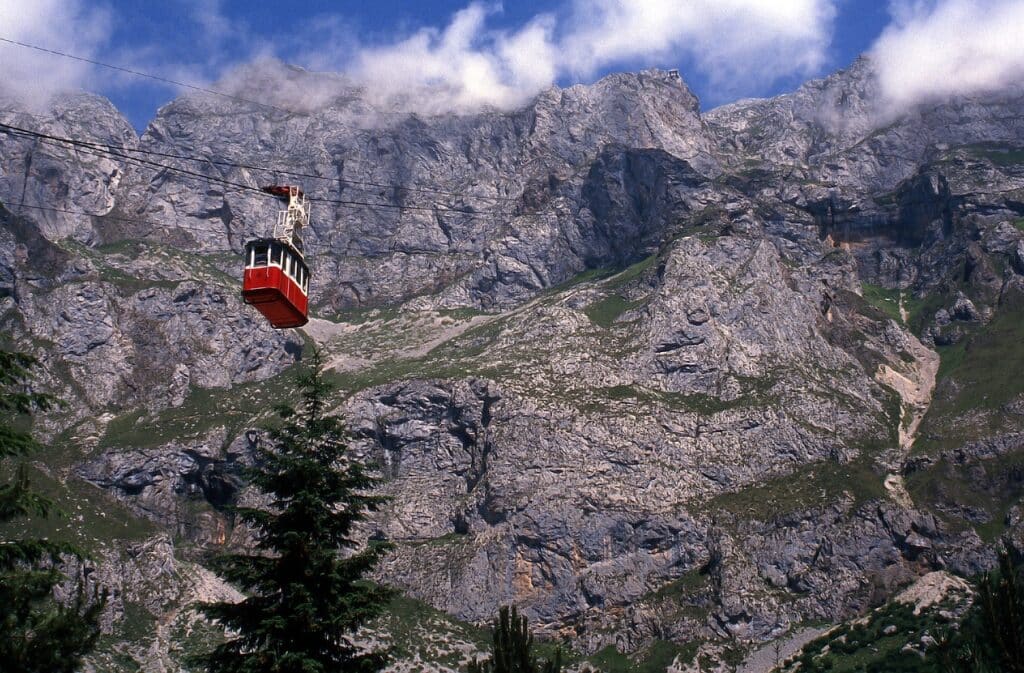
The green coast of Spain is the country’s best-kept secret, and the personality reasons it stays a secret are also the reasons it works so well for the people it suits.
This is a slow region. Asturian fishing villages tucked into Atlantic coves. Cantabrian valleys with cows and chestnut forests and the Picos de Europa rising behind. Cider houses where the server pours from above their head and you eat seafood your grandmother would recognize. The pace is genuinely deliberate, not curated as deliberate.
Two patterns thrive here. The first is high Agreeableness, especially the Altruism and Trust facets. The communities in this part of Spain are unusually warm in a quiet, unfussy way. People look you in the eye. Kindness shows up in small unannounced gestures. Travelers who value warmth and emotional honesty over spectacle find themselves disarmed in the best way.
The second is unusual but worth naming carefully. Travelers who score high on Neuroticism, particularly the Anxiety facet, often do badly in Spain’s marquee destinations because the sensory volume is too much. Cantabria and Asturias dial that volume down. The food is gentle. The towns are small. The pace gives the nervous system room to settle. We have sent several anxiety-prone travelers here who came back saying it was the first vacation in years that did not require recovery afterward.
Where the green coast does not work is for travelers high on Excitement-Seeking or low on patience. There is no Ibiza here, no Madrid energy, no late-night plaza scene. Sunsets along the Camino del Norte and a slow bowl of fabada are the structure. If that sounds like not enough, listen to that signal.
If you are travelling with someone whose personality runs hotter than yours, Cantabria can also work as a recovery base between busier trips. A week of green quiet between Madrid and Barcelona resets things in a way few other regions in Europe can match.
Best fits: high Agreeableness, sensitive or anxiety-prone travelers, those who restore through quiet rather than stimulation.
4. Andalusia: For High Aesthetic Openness, High Extraversion, High Warmth
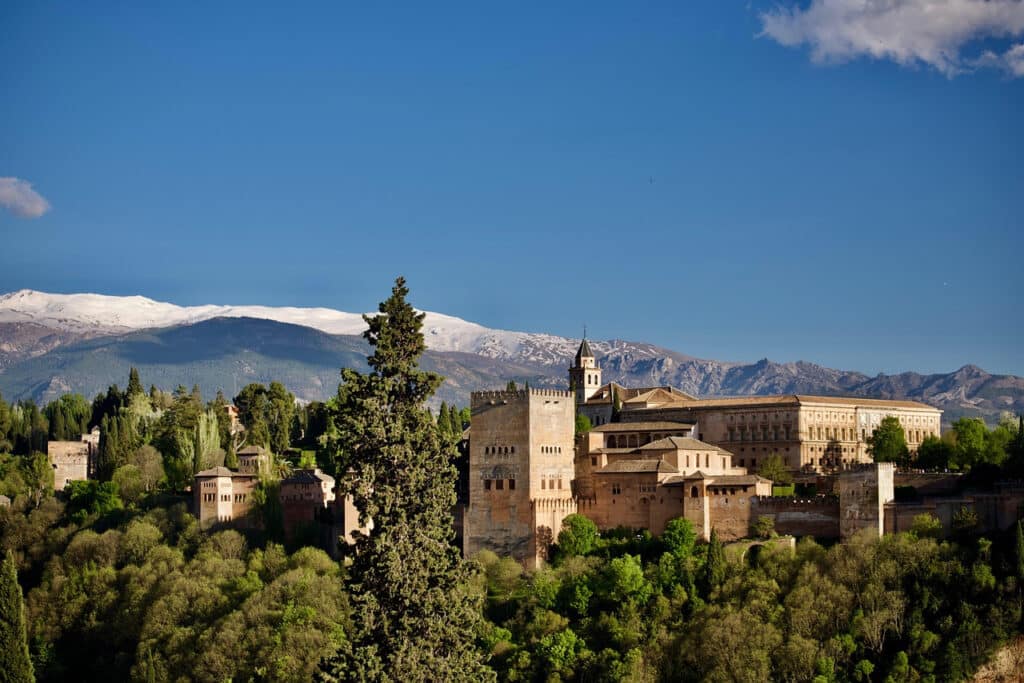
Andalusia is the Spain that lives in the global imagination. Flamenco, white villages, the Alhambra, sherry, Moorish arches, sun. What is less obvious is that this is one of the most personality-demanding regions in Spain, in the sense that it rewards a specific configuration deeply and overwhelms people without it.
The first thing that has to be high is Openness, especially the Aesthetics facet. Andalusia is one of the great aesthetic concentrations in Europe. The Alhambra in Granada, the Mezquita-Catedral in Cordoba, the Real Alcazar in Seville, the white villages of the Sierra de Grazalema. Travelers who score high on Aesthetics describe these as among the most moving experiences of their lives. Travelers who score low describe them as “old buildings.” Both are honest reports of the same place. The trait does the talking.
The second is Extraversion, particularly the Gregariousness and Warmth facets. Andalusian social life is participatory. Tapas culture means standing close to strangers. Flamenco is best in tiny rooms. Plazas are where people live, not where tourists pose. If you draw energy from this, you will float through Seville. If you do not, ten days here will feel exhausting, no matter how impressive the architecture.
Agreeableness adds the third layer. Andalusian hospitality is real but it has a specific texture. Travelers who lead with warmth get warmth back. Travelers who lead with reserve sometimes report the region as “unfriendly,” which is almost always a misreading. The relational style matches the climate. Open, direct, generous, immediate.
The pattern that struggles is high Neuroticism combined with low Openness. The summer heat above 40 degrees Celsius, the sensory density of the cities, the noise, the late dinners, all of it pushes nervous systems hard. Anxious travelers do better in the white villages and shoulder seasons (October to early May) than in Seville in August. We almost always recommend the off-season for first-timers, and the difference in their experience is dramatic. If you are interested in planning a trip to Andalusia you can read more about this in my article where we present a 10 days Andalusia itinerary. Or if you want something which is made for you, let us plan the trip for you.
Best fits: high Openness with strong Aesthetics, high Extraversion with high Warmth, high Agreeableness, low to moderate Neuroticism.
5. Tenerife: For High Openness to Variety, Moderate Conscientiousness, and Low Anxiety
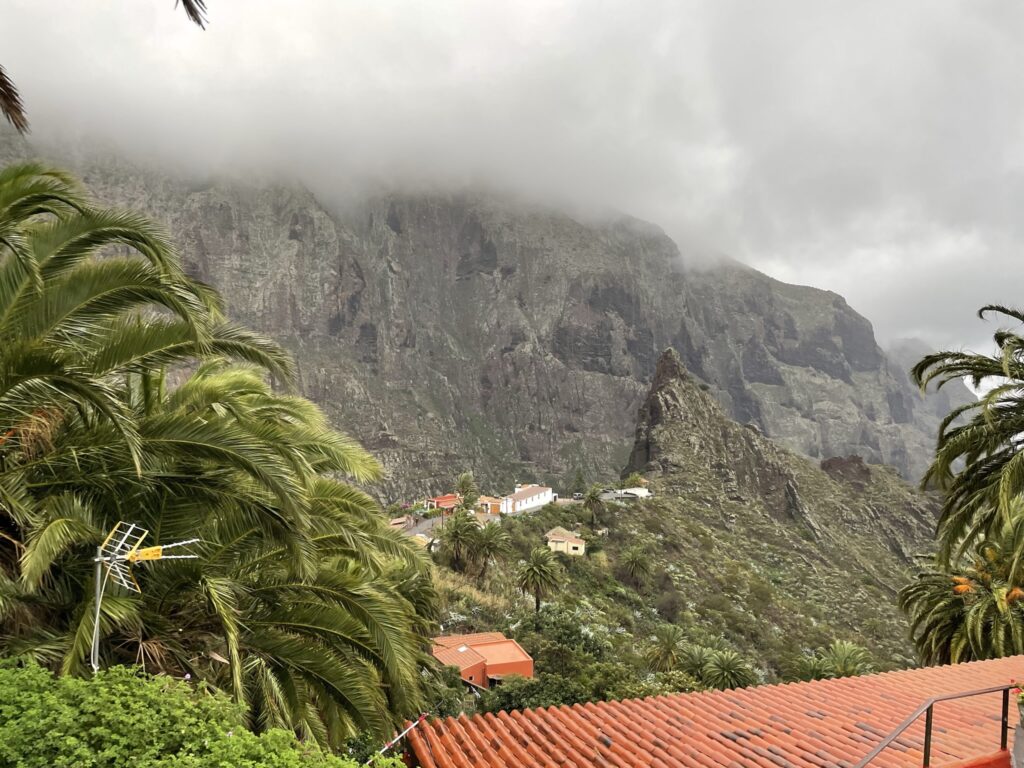
Tenerife is misunderstood. Most travelers see only the south coast resorts and write the island off. The actual island, the one north of the autopista, has more landscape variety per square kilometre than almost anywhere in Europe. Volcanic moonscapes, ancient laurel forests, cloud-piercing peaks, banana plantations, sheer cliffs falling into the Atlantic, all within a two-hour drive.
This is why Tenerife rewards a specific Openness facet: Actions, the variety-seeking one. Travelers who get bored on the third day in any single landscape and start looking for the next thing tend to thrive here. In one day you can hike Teide National Park at 2,300 metres in the morning, descend through pine forest, and swim in a black sand cove by sunset. If that sequence sounds tiring, Tenerife is not your island. If it sounds clarifying, it is.
Moderate Conscientiousness helps. The island’s geography is steep, the roads are slow, and good logistics matter. Travelers who like a loose plan with a few key reservations (sunrise at Teide requires permits, the Anaga forest needs an early start) do better than travelers who want everything spontaneous or everything micromanaged.
Low Anxiety is also useful. The driving in the north can be vertiginous. The weather changes fast at altitude. The microclimates surprise people. Travelers who treat unpredictability as part of the texture of the place rather than as a logistical failure get the best of Tenerife.
The pattern that struggles is travelers seeking pure rest. The south coast offers that, but it is not really Tenerife. Travelers who arrive expecting the Canary Islands to be a generic beach destination and discover the island wanting variety from them sometimes resent it. If you want the island to ask nothing of you, pick another. If you want it to surprise you, almost daily, with amazing hidden gems, this is the right one.
Best fits: high Openness in the Actions facet, moderate Conscientiousness, low Anxiety, comfortable with active days.
6. The Basque Country: For High Conscientiousness, High Openness to Craft, and Comfort With Reserve
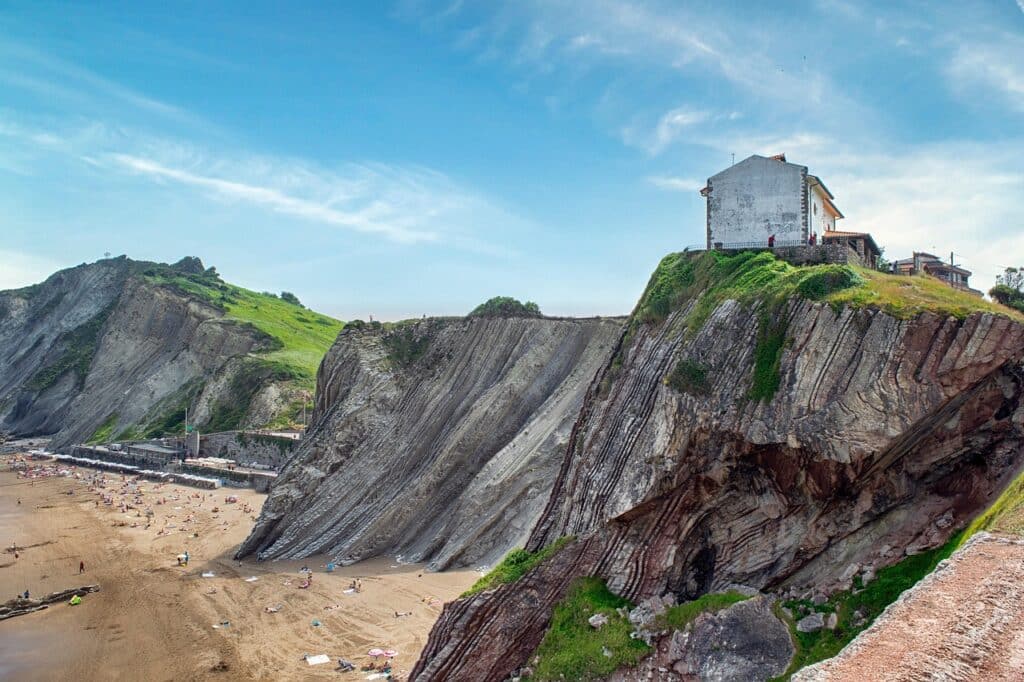
The Basque Country is, in personality terms, the most demanding region in Spain to describe well, because it rewards an unusual combination: high standards, intellectual openness, and a tolerance for emotional reserve.
Start with Conscientiousness. The Basque approach to food, design, and craft is unusually precise. The pintxos at a serious bar in San Sebastian are not casual snacks. They are constructed. The kitchens of Asador Etxebarri, Mugaritz, and Arzak operate at a level of seriousness about technique that is rare anywhere in the world. Travelers high in Conscientiousness, especially the Order and Achievement-Striving facets, recognize this immediately and feel respected by it. Also, the Basque country is, for sure, the best region in Spain for foodies.
Openness matters too, in a specific way. High on Aesthetics, particularly for restrained design rather than ornamentation. The Guggenheim in Bilbao, the Chillida-Leku sculpture park, the way a Basque txoko (a private gastronomic society) holds its own quiet rituals. This is openness for the considered, not the flamboyant.
The unexpected piece is Extraversion, where the Basque Country runs lower than the rest of Spain. Basques are warm but reserved. Conversations build slowly. Eye contact has weight. The social style is closer to Northern Europe than to Andalusia. Introverted travelers, or moderately extraverted ones who appreciate depth over breadth, and quiet shore landscapes like in Zoumaia, often describe the region as the first place in Spain where they felt fully comfortable.
Where the Basque Country does not work is for travelers seeking the typical Spanish stereotype. The flamenco, the late-night plaza energy, the warm chaos. None of that is here. Travelers who arrive expecting it sometimes describe the region as “not Spanish enough,” which is true and beside the point. The Basques have been here longer than Spain has.
Best fits: high Conscientiousness with strong Order and Achievement-Striving, high Openness for restrained craft, moderate Extraversion or comfort with reserve.
7. Galicia: For Sensitive Travelers, High Openness, and Anyone Carrying a Question
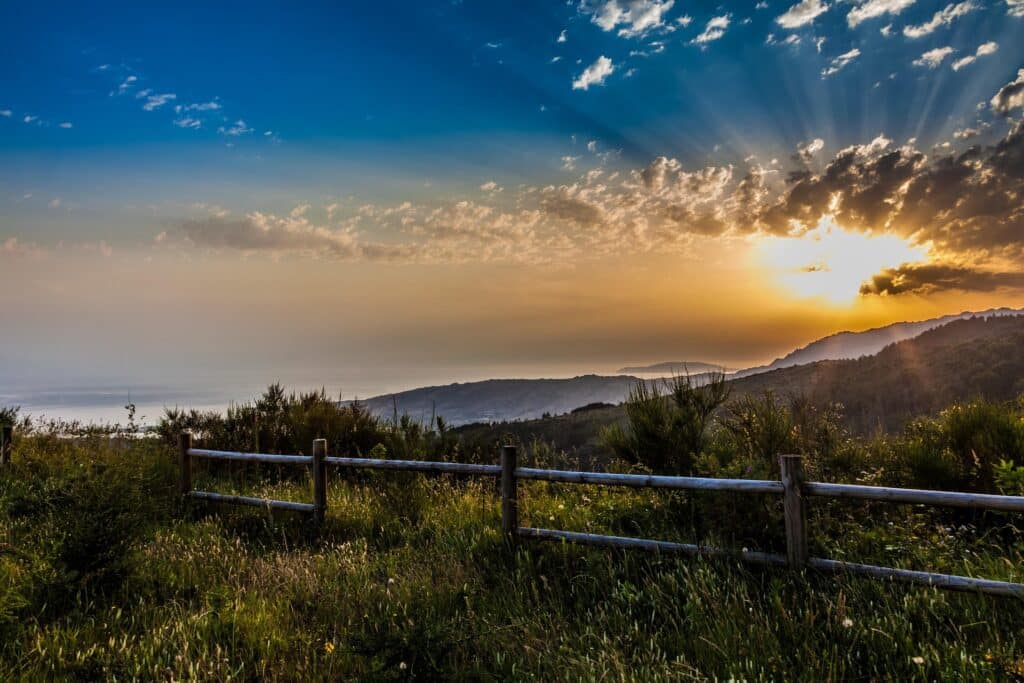
Galicia sits in Spain’s northwest corner, soaked in Atlantic weather and mythology. Stone villages, granite churches, the long arrival of the Camino de Santiago, oysters and Albarino from the rias, fog rolling in over the Costa da Morte. It is the most introspective region in the country, and one of the most genuinely transformative places in Europe to travel through.
This is where high Neuroticism, the trait most travel guides treat as a problem to be hidden, becomes an asset. Travelers who are sensitive, reflective, easily moved, prone to thinking too much, find a region that operates at their tempo. The weather slows everything down. The Camino in particular, walked by hundreds of thousands of pilgrims a year, is a structure that lets sensitive minds metabolize their lives. We have sent several travelers here in the middle of difficult years (a divorce, a job loss, the death of a parent) and they returned different. Not fixed. Different.
Openness matters here, especially the Aesthetics facet, but tilted toward melancholy beauty rather than grandeur. The cathedral in Santiago de Compostela. Cabo Fisterra at sunset. The Roman walls of Lugo. Galician piano music. Travelers who are moved by the slightly mournful and the genuinely old find a deep groove here.
Agreeableness completes the fit. Galicians are warm in a quiet, undemanding way. The hospitality of pulperias and rural inns has a familial quality. Travelers high in Agreeableness feel met without performing.
Where Galicia does not work is for travelers who need sun, energy, and momentum. The weather is genuinely temperamental, even in summer. The pace is genuinely slow. Travelers high on Excitement-Seeking get restless within a week, and travelers low on Openness sometimes describe the region as “a lot of stones and rain,” which is also true and also beside the point.
Best fits: high Openness Aesthetics, sensitive or reflective travelers, high Agreeableness, comfort with rain and reflection.
How to Use This Big Five Travel Guide Without Boxing Yourself In
The risk of any personality-based travel guide for Spain is that you read it as a verdict. It is not. It is a starting point. Most travelers are not pure types. You might score high in Openness and Excitement-Seeking but also high in Anxiety, which means Barcelona’s energy attracts you and exhausts you in roughly equal measure, and the answer is to design the trip differently rather than to skip the city. Early-morning museum slots. A quiet apartment in Gracia rather than a hotel on La Rambla. Day trips to the Costa Brava when the city tips over.
This is why we always start with the IPIP-NEO assessment before designing a tailor-made Spain trip at The Verse Voyager. Trait scores tell us which Spain region to lean toward. Facet scores tell us how to balance the itinerary once we get there. A traveler scoring high on Openness, low on Extraversion, and moderate on Neuroticism does not need a single region. They need a Galicia base with one carefully designed Barcelona weekend, planned for early arrivals at museums and quiet dinners in Gracia, with an exit strategy if the city gets loud.
Matching your personality to a Spain region is not about narrowing your options. It is about stopping you from picking against yourself.
If you are not sure which part of Spain to visit next, the most useful first step is not more research on the best regions in Spain. It is taking the free travel personality quiz, getting your Big Five and facet scores, and reading the result with the seven regions above in mind. The pattern usually clarifies fast.
Take the Next Step
The Verse Voyager designs tailor-made trips around who you actually are, not who you wish you were. Every itinerary starts with the same free personality assessment used in the methodology above, then becomes a day-by-day plan built for your pace, your energy, and the kind of beauty that actually moves you. Contact us and make your next travel in Spain personality based.
TLDR
Spain is not one place. It is seven distinct worlds, each suited to a different kind of traveler. Barcelona rewards high Openness and high Extraversion but overwhelms anxious travelers.
The Pyrenees suit high Conscientiousness and low Extraversion.
Cantabria and Asturias are the best Spanish regions for sensitive, anxiety-prone travelers who restore through quiet.
Andalusia is for high Aesthetics, high Warmth, and the social confidence to participate rather than observe.
Tenerife suits variety-seekers high on the Openness Actions facet who want active, unpredictable days.
The Basque Country rewards high Conscientiousness and a taste for restrained craft over spectacle.
Galicia is the most introspective region in Spain, best suited to sensitive, reflective travelers carrying a question they have not yet answered. The Big Five personality model predicts which of these will restore you and which will quietly drain you.
Take the free personality quiz to find your match before you book.
FAQ
Which region of Spain is best for introverts? Galicia, the Pyrenees, and the Basque Country are the three regions that consistently suit introverted travelers best. Galicia offers slow pace, misty Atlantic landscapes, and warm but undemanding hospitality. The Pyrenees reward solitude and physical structure. The Basque Country’s reserve makes it unusually comfortable for travelers who prefer depth over breadth. Cantabria and Asturias are also strong options for introverts who want a quieter version of Spanish culture without giving up good food and coastal scenery.
Which part of Spain is best for anxious or sensitive travelers? Cantabria and Asturias are the best regions in Spain for anxiety-prone travelers. The pace is slow, the towns are small, and the sensory volume is genuinely low compared to the marquee destinations. Galicia is a close second, particularly if the traveler finds purpose in a Camino de Santiago walk, which provides structure and meaning alongside the quiet. Both regions are best in spring and early autumn.
Which region of Spain has the best food? The Basque Country is widely considered the food capital of Spain, with the highest concentration of Michelin-starred restaurants in the world relative to population and a pintxos culture in San Sebastian that is a travel experience in its own right. Andalusia is the second strong answer, particularly for travelers who love tapas culture, fresh seafood, and locally produced sherry and olive oil.
Is Barcelona right for me if I am a first-time Spain visitor? Barcelona is a strong first visit for travelers who score high on Openness and are comfortable in dense, fast-moving cities. It is a poor first visit for travelers high in Anxiety or low in Openness, who tend to find it exhausting rather than energizing. If you are unsure which camp you fall into, take the personality quiz before booking. The result will tell you whether Barcelona is your entry point or whether starting in Andalusia or the Basque Country would give you a stronger first impression of Spain.
What is the calmest region of Spain to visit? Cantabria and Asturias are the calmest regions in mainland Spain. Galicia is a close second. Both sit on the Atlantic coast, run at a slower pace than the south or east, and attract fewer international tourists. For island calm, the quieter parts of Tenerife (the Anaga peninsula, the north coast villages) offer a gentler experience than the south coast resorts, though the island itself is more active than the green north.
How do I know which Spain region matches my personality? The most reliable way is to take a validated Big Five personality assessment, such as the free IPIP-NEO quiz, and read your trait and facet scores against the regional profiles in this guide. At The Verse Voyager, we use this exact framework as the first step in every tailor-made Spain itinerary we design. The free travel personality quiz on our site gives you a travel-specific interpretation of your results, which makes the match significantly clearer than reading the raw scores alone.
Leave a Reply
You must be logged in to post a comment.