Author: Andrei Tigau

  • ULTIMATE Guide 2026: What to See in Toledo Spain

    ULTIMATE Guide 2026: What to See in Toledo Spain

    What to see in Toledo, Spain? Picture this: You’re wandering through a city where every cobblestone has witnessed more drama than a telenovela, where sword-makers still forge blades like medieval badasses, and where El Greco painted some of his most mind-bending masterpieces. Welcome to Toledo, Spain – a place so epic that even Don Quixote would hang up his lance and say, “Okay, this is actually worth the hype.” If Toledo does not attract you, explore my other article about how different regions in Spain might suit your personality.

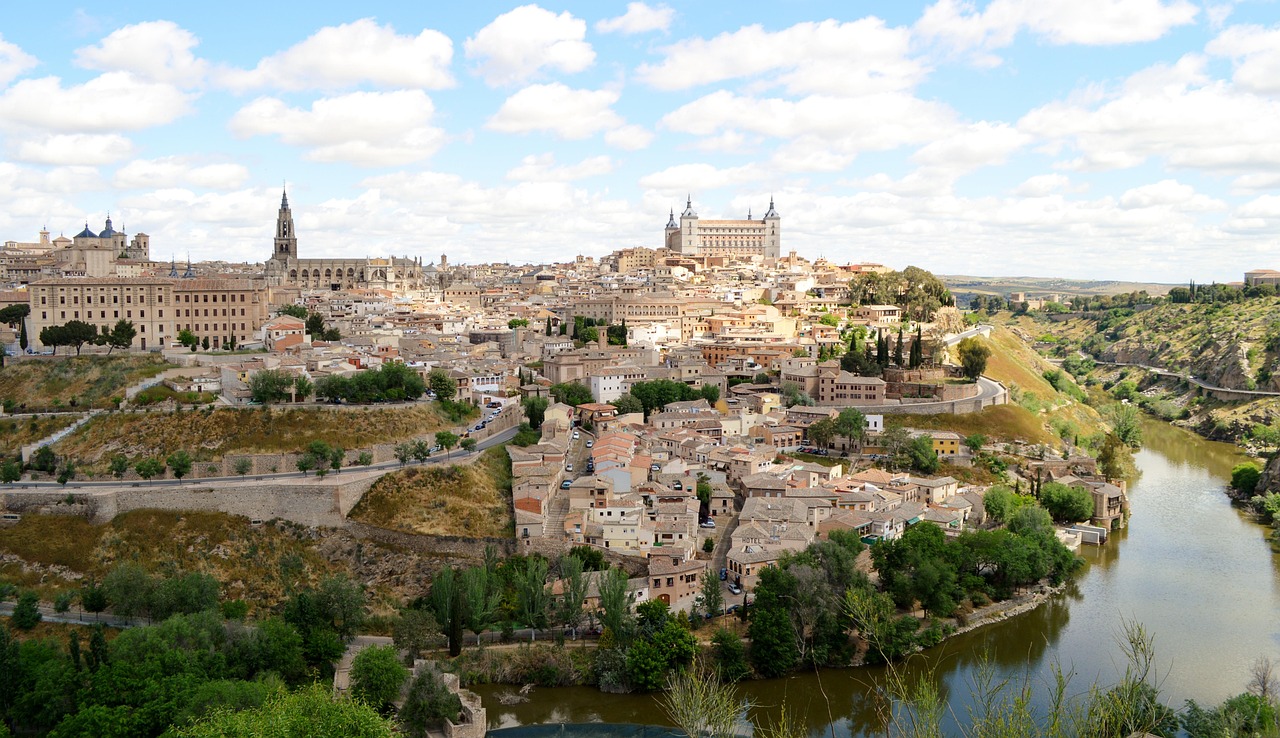
    Toledo isn’t just another pretty face in Spain’s lineup of gorgeous cities (though it definitely wins the beauty contest). This UNESCO World Heritage gem perched dramatically above the Tagus River is like that friend who speaks five languages, plays three instruments, and somehow still has time to make the perfect paella. It’s annoyingly talented, and you can’t help but love it.

    Known as the “City of Three Cultures,” Toledo managed to get Christians, Jews, and Muslims to play nice together for centuries – which is more than most modern Twitter threads can achieve. The result? A cultural mashup so rich it makes fusion cuisine look basic. From Gothic cathedrals that’ll give you a crick in your neck from looking up, to hidden synagogues with stories that’ll break your heart, Toledo serves up history with a side of “how is this even real?”

    Whether you’re planning to sprint through on a day trip from Madrid (totally doable, but you’ll feel like you’re speed-dating with history) or you want to take your sweet time and really get to know this medieval beauty, Toledo promises to be that destination you’ll still be bragging about years later.

    How to Visit Toledo Spain

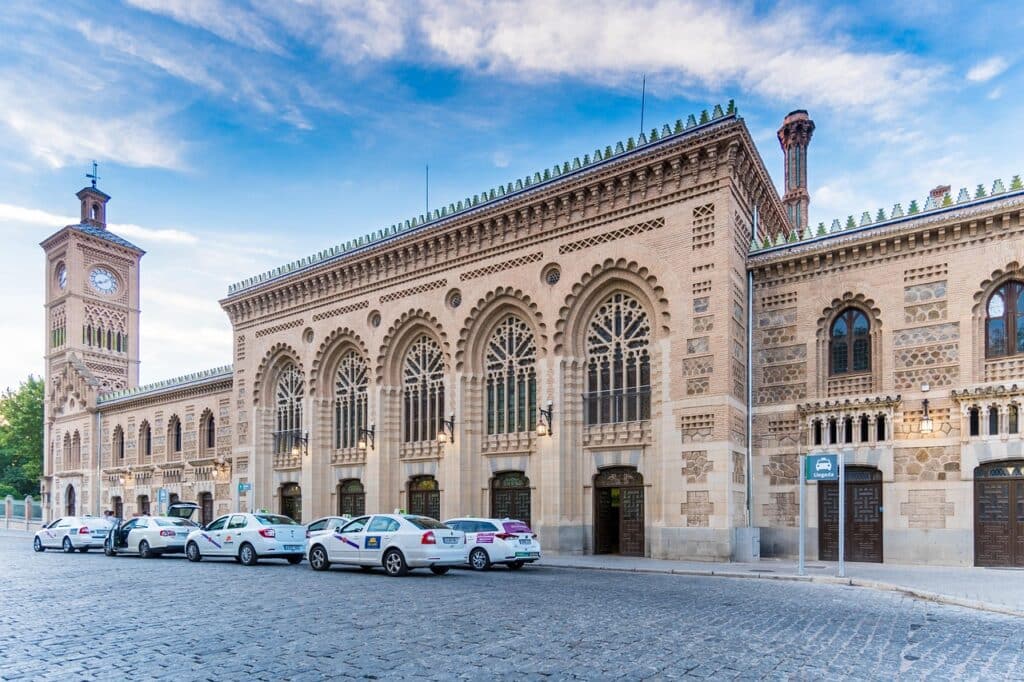
    From Madrid: Hop on the AVANT train from Atocha Station, and in just 33 minutes you’ll go from modern metropolis to medieval magic. It’s like time travel, but with better Wi-Fi and air conditioning. Tickets run about €13-21, which is less than what you’d spend on craft cocktails in Madrid (and infinitely more culturally enriching).

    The train ride itself is part of the experience – you’ll watch the Castilian landscape roll by like a Bob Ross painting come to life. Pro tip: Grab a window seat on the right side for the best views of Toledo’s dramatic approach.

    Your thoughts on what to see in Toledo Spain will linger long after the visit.

    Each experience shapes your answer to what to see in Toledo Spain on future trips.

    If you’re more of a bus person, ALSA buses connect Plaza Elíptica with Toledo for about €5-8. Sure, it takes longer (about 1 hour 15 minutes), but you’ll save enough money for extra marzipan. And let’s be honest, Toledo’s marzipan is basically edible art.

    From Other Spanish Cities: Toledo plays well with others, maintaining connections that would make a LinkedIn influencer jealous. From Seville or Valencia, you’ll connect through Madrid.

    Ultimately, what to see in Toledo Spain is defined by your unique perspective.
    how-to-get-to-toledo-spain

    When to visit Toledo Spain?

    Spring (April-June): This is Toledo’s red carpet season. Perfect weather, blooming flowers, and temperatures that won’t make you question your life choices. It’s like the city put on its Sunday best just for you.

    Summer (July-August): Hot enough to fry an egg on the cobblestones, but also when Toledo stays awake late into the evening. Early morning exploration is your friend here – think of it as earning your churros for breakfast.

    Autumn (September-November): Fewer crowds, comfortable temps, and Instagram-worthy fall colors. It’s like having VIP access to Toledo without the velvet rope.

    Winter (December-February): Cozy, intimate, and perfect for those “I have this charming medieval city all to myself” moments. Just bring layers – Toledo’s stones are beautiful but not exactly central heating material.

    Where to Stay (Your Castle Awaits)

    The Parador de Toledo offers views so stunning they should probably charge extra for the jaw-dropping factor. Located across the river, it’s like having front-row seats to the Toledo show every time you look out your window.

    For something more intimate, boutique hotels in the historic center let you live like a medieval lord (with modern plumbing, thankfully). These places have more character than a Jane Austen novel and staff who know where to find the best local secrets.

    Budget travelers, fear not! Toledo’s hostels occupy buildings with more history than most museums. You might be sharing a dorm, but you’re also sleeping in a place where actual historical figures might have plotted, painted, or philosophized.

    Is Toledo Spain Worth Visiting
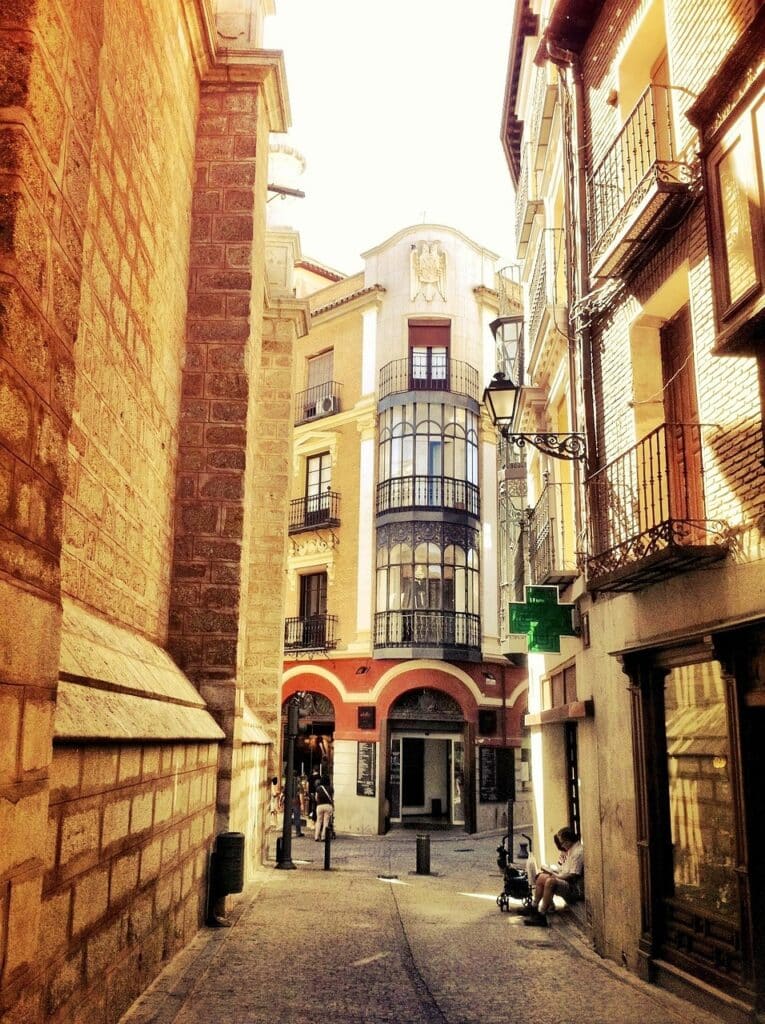
    what-to-see-in-toledo-spain-streets

    Is Toledo Spain worth visiting?

    YES

    Why Toledo is Basically the Overachiever of Spanish Cities

    Toledo doesn’t just have history – it IS history. This city was making power moves when Madrid was still figuring out what it wanted to be when it grew up. As the former capital of the Spanish Empire, Toledo was basically the medieval equivalent of being verified on Twitter, but way more impressive.

    The Catholic Monarchs, Ferdinand and Isabella (you know, the ones who funded Columbus and accidentally started globalization), held court here. They made decisions in Toledo that literally changed the world. No pressure or anything.

    But here’s where Toledo gets really cool: it was the medieval equivalent of a multicultural success story. Christians, Jews, and Muslims didn’t just coexist here – they collaborated, creating a renaissance of learning that makes modern think tanks look amateur. The Toledo School of Translators was basically Google Translate, but with actual humans who knew what they were doing.

    What to see in Toledo Spain? El Greco Factor (Prepare for Mind-Blowing Art)

    El Greco didn’t just live in Toledo – he became Toledo. His paintings capture the city’s mystical essence like Instagram filters wish they could. “The Burial of the Count of Orgaz” isn’t just a painting; it’s a spiritual experience that’ll leave you questioning everything you thought you knew about art.

    The best part? You’re seeing these masterpieces in their original context. It’s like hearing your favorite song performed live by the artist – except the artist has been dead for 400 years and his work still gives you goosebumps.

    What to see in Toledo Spain? Food That’ll Ruin You for Regular Meals

    Toledo’s cuisine is what happens when three cultures get together and decide to create edible magic. Perdiz a la toledana (Toledo-style partridge) isn’t just dinner – it’s a history lesson on a plate. And don’t get me started on the marzipan. Made by nuns in convents for centuries, it’s so good it’s practically a religious experience.

    Plus, you’re in the heart of Castilla-La Mancha wine country. Remember Don Quixote? This is his stomping ground, and the wine here is so good it might make you see windmills as giants too.

    What to see in Toledo Spain? The Don Quixote Connection (For Literary Nerds)

    Speaking of Don Quixote, Toledo sits right in the heart of the Ruta de Don Quijote (Don Quixote Route). Cervantes’ immortal knight-errant wandered these very landscapes, tilting at windmills and chasing impossible dreams. You can literally follow in his footsteps – though we recommend staying on the designated paths rather than charging at agricultural equipment.

    The Don Quixote Route connects Toledo with other Castilla-La Mancha gems, creating a literary road trip that would make any book club weep with joy. From Toledo, you can explore the windmills of Consuegra or visit Campo de Criptana, where those famous giants still stand sentinel over the plains.

    What to see in Toledo Spain? That Indefinable Magic Factor

    Here’s the thing about Toledo: it’s not just a museum city. Real people live here, go about their daily business, and somehow make medieval streets feel alive and relevant. It’s like stepping into a fairy tale where the characters have smartphones and the dragons have been replaced by tour buses.

    Every corner reveals something new – a hidden courtyard, an unexpected viewpoint, a workshop where artisans still create damascened steel like their ancestors did centuries ago. It’s the kind of place where you’ll find yourself taking photos of random doorways because somehow they look like they belong in a fantasy novel.

    Toledo Day Trip from Madrid

    A Madrid to Toledo day trip is like dating the most interesting person in Spain – you know one day won’t be enough, but you’re going to make the most of every minute.

    The Perfect Day Trip Game Plan

    Catch that 8:50 AM train like you’re Harry Potter heading to Hogwarts (except instead of Platform 9¾, you’re at Atocha Station, and instead of magic… well, okay, Toledo is pretty magical). Arriving at 9:25 AM gives you a full day to fall head-over-heels for this medieval charmer.

    From Toledo’s station, the city center is a quick bus ride or pleasant walk away. Choose the walk if you want to build up an appetite for all the amazing food waiting for you, or take the bus if you’re saving your energy for climbing cathedral towers and navigating cobblestone streets in style.

    Your Day Trip Hit List (The Greatest Hits Album)

    Toledo Cathedral: Start here while your camera battery is full and your jaw can still drop. This Gothic masterpiece will have you questioning why anyone bothers building anything else. The treasury alone could fund a small country, and El Greco’s “El Expolio” will make you understand why people travel thousands of miles to see original art.

    Alcázar Fortress: This bad boy has been standing guard over Toledo for centuries, surviving sieges, wars, and really determined tourists. The Army Museum inside tells Spain’s military story, but honestly, the building itself is the real star. Plus, the views from up here are Instagram gold.

    Jewish Quarter Adventures: Get lost in the narrow streets where Toledo’s Jewish community once thrived. The synagogues of Santa María la Blanca and El Tránsito aren’t just beautiful buildings; they’re time capsules of a vanished world that’ll give you all the feels.

    El Greco’s Greatest Hit: No Toledo day trip is complete without seeing “The Burial of the Count of Orgaz” at Santo Tomé Church. It’s like the Mona Lisa, but with more spiritual oomph and fewer crowds trying to take selfies with it.

    Trains run regularly back to Madrid, with the last one usually around 9:50 PM. But check the schedule because missing the last train means either an expensive taxi ride or an unplanned romantic night in Toledo (which, honestly, wouldn’t be the worst thing in the world). And remember, your journey through what to see in Toledo Spain doesn’t end here.

    Morning: Hit the big attractions while you’re fresh and the lighting is perfect for photos. Midday: Lunch like a local (and trust me, you want to lunch like a local in Toledo). Afternoon: Explore the quieter corners and hidden gems when the tour groups are taking their siestas. Late afternoon: Mirador del Valle for those sunset shots that’ll make your friends back home seriously question their vacation choices.

    Getting Back to Madrid

    Trains run regularly back to Madrid, with the last one usually around 9:50 PM. But check the schedule because missing the last train means either an expensive taxi ride or an unplanned romantic night in Toledo (which, honestly, wouldn’t be the worst thing in the world).

    What to see in Toledo Spain: Toledo attractions

    Toledo Spain Attractions

    Toledo’s attractions are like that friend’s vinyl collection – impressive in quantity, exceptional in quality, and somehow each one has an amazing story behind it.

    The Heavy Hitters (Attractions That Deserve Their Fame)

    Cathedral of Toledo: This isn’t just a church; it’s a masterclass in “how to make humans feel really, really small.” Five naves, countless chapels, and enough gold to make Midas weep with envy. The Custodia de Arfe alone weighs more than a small car and is probably worth more than your house.

    The sacristy is basically an art museum that happens to be attached to a cathedral. El Greco’s “El Expolio” hangs here like it’s no big deal, surrounded by other masterpieces that would be the crown jewel of any other collection.

    Alcázar of Toledo: This fortress has seen more action than a Marvel movie. Romans built here first, then Visigoths, then Muslims, then Christians – basically everyone who was anyone in Spanish history wanted this prime real estate. The current building houses the Army Museum, where you can trace Spain’s military adventures from ancient times to the modern era.

    Monastery of San Juan de los Reyes: The Catholic Monarchs commissioned this beauty to celebrate victory, and they didn’t hold back on the bling. The chains hanging from the facade aren’t decoration – they’re from actual Christian prisoners freed during the Reconquest. Talk about making a statement.

    The Cultural Heritage Triple Threat

    Synagogue of Santa María la Blanca: This 12th-century beauty proves that medieval architecture was an equal opportunity employer. Built by Islamic craftsmen for Jewish worship under Christian rule, it’s like a United Nations of medieval cooperation, but with better interior design.

    Synagogue of El Tránsito: Now housing the Sephardic Museum, this synagogue tells the story of Spanish Jewish culture with artifacts, manuscripts, and enough historical context to make you want to hug your history teacher.

    Mosque of Cristo de la Luz: One of Europe’s oldest mosques still standing, this tiny treasure dates from 999 AD. It’s proof that good architecture never goes out of style, even when it changes religions.

    Hidden Gems (The Hipster’s Toledo)

    Hospital de Tavera: This Renaissance palace flies under most tourists’ radar, which means more elbow room for you to appreciate its incredible art collection. Plus, it’s got that “I discovered this amazing place” bragging potential.

    Church of Santo Tomé: Technically famous for El Greco’s masterpiece, but the church itself is a gem. It’s like getting two attractions for the price of one, except one of them happens to be one of the world’s most important paintings.

    Viewpoints That’ll Ruin Other Views for You

    Mirador del Valle: The money shot. The view that launched a thousand postcards. Every angle is perfect, every photo looks professional, and every sunset makes you believe in magic again.

    Puente de San Martín: This medieval bridge isn’t just functional transportation – it’s a monument with benefits. Cross it for different perspectives of the city, or just hang out and pretend you’re in a period drama.

    Toledo Spain Itinerary

    Planning a Toledo itinerary is like curating the perfect playlist – you want the hits, but also those deep cuts that show you really know what you’re doing.

    One Day in Toledo (The Speed Dating Approach)

    Morning (9:00 AM – 12:30 PM) Start at the cathedral because a) it’s awesome, and b) it opens early before the crowds turn it into medieval rush hour. Give yourself 90 minutes – trust me, you’ll need every second to process the visual overload.

    Next, march yourself over to the Alcázar. It’s basically mandatory, like visiting the Eiffel Tower in Paris, except with more armor and fewer people trying to sell you miniature replicas.

    Afternoon (12:30 PM – 6:00 PM) Lunch is non-negotiable. Find a spot serving perdiz a la toledana and prepare for your taste buds to write thank-you notes. Many restaurants occupy buildings older than entire countries, so you’re getting ambiance with your appetizers.

    Post-lunch food coma recovery happens perfectly in the Jewish Quarter. The synagogues provide cultural enlightenment and air conditioning – a winning combination. Allow about 45 minutes per synagogue, more if you’re the type who reads every museum placard (we see you, and we respect you).

    End at Santo Tomé for your El Greco encounter. “The Burial of the Count of Orgaz” isn’t just a painting – it’s a spiritual experience that justifies the entire trip.

    Evening (6:00 PM – 8:00 PM) Mirador del Valle for sunset is like dessert after an amazing meal – the perfect ending that makes everything else taste better in memory.

    Two Days in Toledo (The Proper Courtship)

    Follow day one, but without the rushing. Add the Monastery of San Juan de los Reyes and the Mosque of Cristo de la Luz to day two. This gives you time to actually appreciate the details instead of just checking boxes like a medieval scavenger hunt.

    Day two also allows for proper workshop visits. Toledo’s artisans still practice damascening and sword-making like their ancestors, except now they accept credit cards and pose for selfies.

    Three Days in Toledo (The Full Romance)

    With three days, you can explore the Don Quixote connections. Day trips to see the windmills of Consuegra or Campo de Criptana add literary context to your Toledo experience. It’s like a book club field trip, but with better weather and more wine.

    Visit Illescas to see more El Greco works in their original setting, or explore Toledo’s surrounding countryside where Cervantes’ knight-errant wandered. The landscape hasn’t changed much – you can still imagine Don Quixote charging across those plains, convinced he was saving the world one windmill at a time.

    Special Interest Itineraries (For the Obsessed)

    Art Lovers: Focus on El Greco sites, including his house-museum and every church with his work. It’s like a pilgrimage, but with better gift shops.

    History Buffs: Deep dive into Toledo’s role in Spanish history, from Roman foundations to medieval capital to Civil War battleground.

    Foodies: A culinary tour hitting traditional restaurants, marzipan convents, and local markets. Your stomach will thank you, even if your pants won’t.

    Frequently Asked Questions (FAQ)

    Q: How long should I spend in Toledo? A: One day gives you the highlights, two days let you breathe and explore, three days make you consider changing your entire life plan. Start with a day trip and see how deep the rabbit hole goes.

    Q: Is Toledo suitable for kids? A: Absolutely! Kids love the fortress, the narrow streets feel like a treasure hunt, and the sword-making workshops are basically real-life video games. Plus, the marzipan situation will keep them happy.

    Q: What’s the best way to see Toledo’s attractions? A: Walking is king, but the tourist train helps cover ground if mobility is an issue. Many attractions are close together, so efficient routing saves time and energy.

    Q: Is Toledo crowded? A: Peak season (summer) and weekends can feel like medieval rush hour. Early morning or late afternoon visits offer more breathing room and better photos.

    Q: Can I see Toledo in a wheelchair? A: The historic center is challenging due to cobblestones and elevation changes, but major attractions like the cathedral and Alcázar are accessible. Check specific venue accessibility before visiting.

    Q: What should I buy in Toledo? A: Damascened jewelry, replica swords (if you can get them home), marzipan, and local ceramics. Avoid the tourist traps and buy from actual artisan workshops.

    Q: Is Toledo expensive? A: Moderate by Spanish standards. Meals range from €15-40 per person, attraction entries are €5-12 each. Budget €60-100 per person for a full day including meals and attractions.

    TL;DR – What to see in Toledo Spain in a Nutshell

    What to see in Toledo Spain: Everything. Seriously. But if you’re pressed for time: Cathedral (mind-blowing Gothic), Alcázar (fortress views), Jewish Quarter (historical feels), El Greco’s masterpiece (spiritual experience), and Mirador del Valle (perfect photos).

    How to visit Toledo Spain: Train from Madrid (33 minutes, €13-21), bus (1h 15min, €5-8), or drive (1 hour). Spring and autumn are perfect, summer is hot but doable, winter is cozy.

    Is Toledo Spain worth visiting: Does a bear… yes. It’s absolutely worth it. UNESCO World Heritage, incredible art, amazing food, and enough history to make your head spin.

    Toledo day trip from Madrid: Totally doable. Catch the 8:50 AM train, hit the major sites, eat like royalty, watch the sunset, return by evening train. You’ll want to come back.

    Toledo Spain attractions: Cathedral (El Greco central), Alcázar (fortress museum), synagogues (cultural heritage), viewpoints (Instagram gold), workshops (living history).

    Toledo Spain itinerary: One day for highlights, two days to breathe, three days to fall in love. Add Don Quixote route exploration if you have extra time and a literary soul.Bottom line: Toledo is that rare destination that exceeds every expectation. Go. Take comfortable shoes. Prepare to have your mind blown.

    cropped theversevvoyagerlogo

    For any questions, or comments, or if you simply need help organizing your trip to Toledo do not hesitate to contact me, or simply DM me on Instagram. If you are looking for other interesting destinations in Spain check my article about my top 20 destination in Spain.
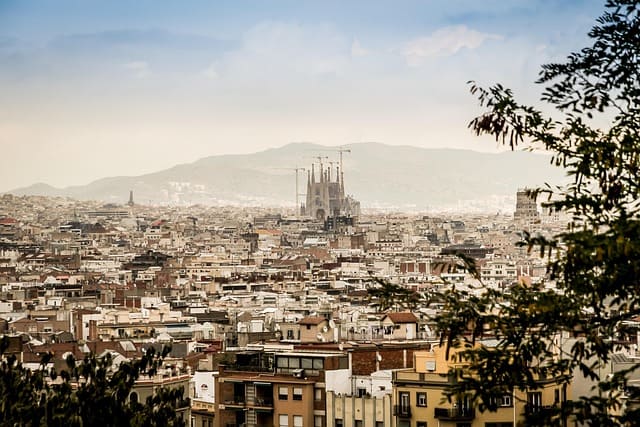
  • What to See in Barcelona in 3 Days: experience the Magic with our Travel Guide

    What to See in Barcelona in 3 Days: experience the Magic with our Travel Guide

    Barcelona, the vibrant capital of Catalonia, offers an incredible blend of Gothic architecture, modernist masterpieces, Mediterranean beaches, and world-class cuisine. Whether you’re a first-time visitor or returning to explore more, knowing what to see in Barcelona in 3 days can help you maximize your experience in this captivating city.

    Planning what to see in Barcelona in 3 days requires balancing must-visit attractions with hidden gems that locals cherish. This comprehensive guide will take you through both touristy and off-the-beaten-path experiences, help you understand Barcelona’s costs, discover the best nightlife spots, and provide detailed itineraries to make the most of your Barcelona adventure.

    From Gaudí masterpieces to secret rooftop bars, from Gothic Quarter exploration to hidden Barcelona neighborhoods, this guide covers everything you need to know about what to see in Barcelona in 3 days.Barcelona, the vibrant capital of Catalonia, offers an incredible blend of Gothic architecture, modernist masterpieces, Mediterranean beaches, and world-class cuisine. Whether you’re a first-time visitor or returning to explore more, knowing what to see in Barcelona in 3 days can help you maximize your experience in this captivating city.

    Planning what to see in Barcelona in 3 days requires balancing must-visit attractions with hidden gems that locals cherish. This comprehensive guide will take you through both touristy and off-the-beaten-path experiences, help you understand Barcelona’s costs, discover the best nightlife spots, and provide detailed itineraries to make the most of your Barcelona adventure.

    From Gaudí masterpieces to secret rooftop bars, from Gothic Quarter exploration to hidden Barcelona neighborhoods, this guide covers everything you need to know about what to see in Barcelona in 3 days.

    What to See in Barcelona in 3 Days: Non Touristy Things to Do

    Discovering non touristy things to do in Barcelona reveals the city’s authentic soul beyond the crowded attractions. These secret things to do in Barcelona and local experiences provide genuine insights into Barcelona’s culture while offering hidden gems that most tourists never discover.

    • Parc del Labirint d’Horta stands as one of Barcelona’s most enchanting secret things to do in Barcelona. This 18th-century neoclassical garden features a beautiful hedge maze that provides fun exploration for visitors of all ages. The park’s peaceful atmosphere and intricate landscaping create a romantic escape from the city’s hustle, making it perfect for afternoon strolls and photography. Few tourists know about this local gem, ensuring a more intimate experience with Barcelona’s green spaces.
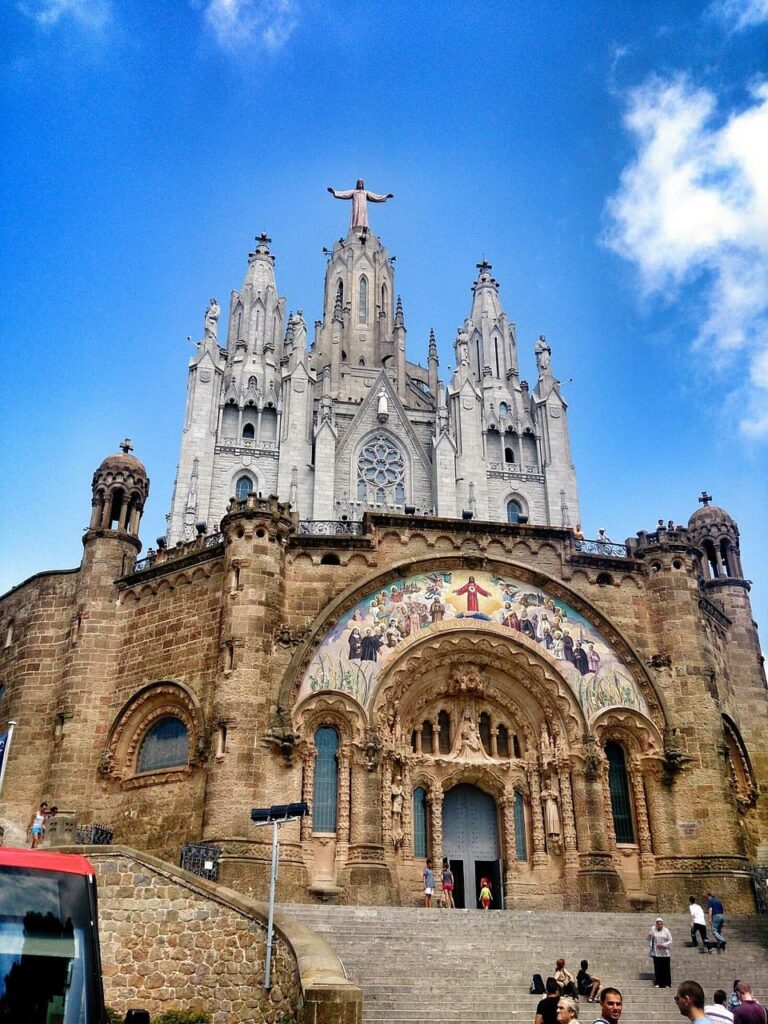
    • Tibidabo offers spectacular views as Barcelona’s highest point, crowned by the stunning Sacred Heart Cathedral. This elevated location provides panoramic vistas across the entire city and Mediterranean coastline. The cathedral’s neo-Gothic architecture creates dramatic silhouettes against Barcelona’s skyline, while the surrounding area offers peaceful walks and contemplative moments. Local Barcelona residents often visit Tibidabo for sunset viewing and spiritual reflection.
    • Carretera de les Aigües represents one of Barcelona’s best-kept hiking secrets. This elevated trail follows the Collserola mountain ridge, providing continuous stunning views over the city while offering perfect walking terrain for day exploration. The path attracts more locals than tourists, creating opportunities for authentic encounters with Barcelona’s outdoor community. The trail’s accessibility makes it suitable for various fitness levels while delivering extraordinary photographic opportunities.

    what-to-see-in-barcelona-in-3-days-tibidabo
    • Poble Sec embodies authentic Barcelona neighborhood culture, particularly along Carrer de Blai. This historic district overflows with traditional tapas bars and local pubs, creating ideal conditions for evening tapas bar hopping. The area’s narrow streets and intimate venues provide genuine interactions with Barcelona locals while offering authentic Catalan cuisine at reasonable prices. Evening exploration reveals the neighborhood’s true character as residents gather for traditional socializing.
    • Sakya Tashi Ling Buddhist Temple offers spiritual tranquility near Barcelona’s outskirts. This authentic Buddhist center provides meditation opportunities and cultural insights into Eastern philosophy within a peaceful mountain setting. The temple’s serene atmosphere contrasts beautifully with Barcelona’s urban energy, making it perfect for visitors seeking contemplative experiences and spiritual exploration.
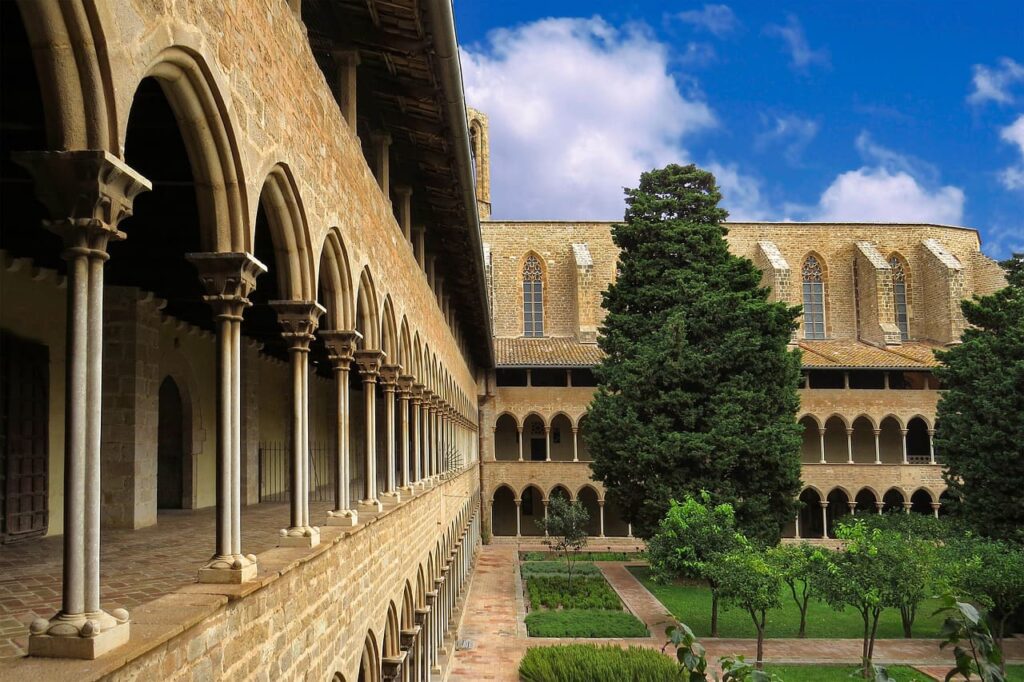
    • Pedralbes Monastery and Neighborhood combines historical significance with Barcelona’s most elegant residential area. While the monastery itself offers modest attractions, the surrounding Pedralbes district showcases Barcelona’s most prestigious architecture and peaceful tree-lined streets. This upscale neighborhood represents Barcelona’s equivalent to affluent areas like Primaverii, featuring stunning mansions and sophisticated urban planning.
    What to See in Barcelona in 3 Days pedralbes
    • Playa del Petroli in Badalona delivers a more peaceful beach experience just 20 minutes from Barcelona’s center via metro. This cleaner, quieter alternative to crowded city beaches features affordable waterfront terraces and bars without tourist pricing. The beach’s relaxed atmosphere attracts primarily local families and residents, providing authentic Mediterranean coastal culture away from tourist crowds.
    • Playa de Castelldefels represents Barcelona’s most beautiful nearby beach, located 40-50 minutes from the city center. This stunning coastal resort town features elegant villas and mansions, including homes of many FC Barcelona players. The beach’s pristine conditions and upscale surroundings create a sophisticated coastal experience while maintaining accessibility from Barcelona’s urban core.
    • Playa de Nova Icaria offers a more relaxed beach experience within Barcelona itself, providing a calmer alternative to bustling Barceloneta. This local favorite features better facilities and less crowded conditions while maintaining easy access to city amenities. The beach’s positioning attracts more Barcelona residents than tourists, creating authentic local beach culture.
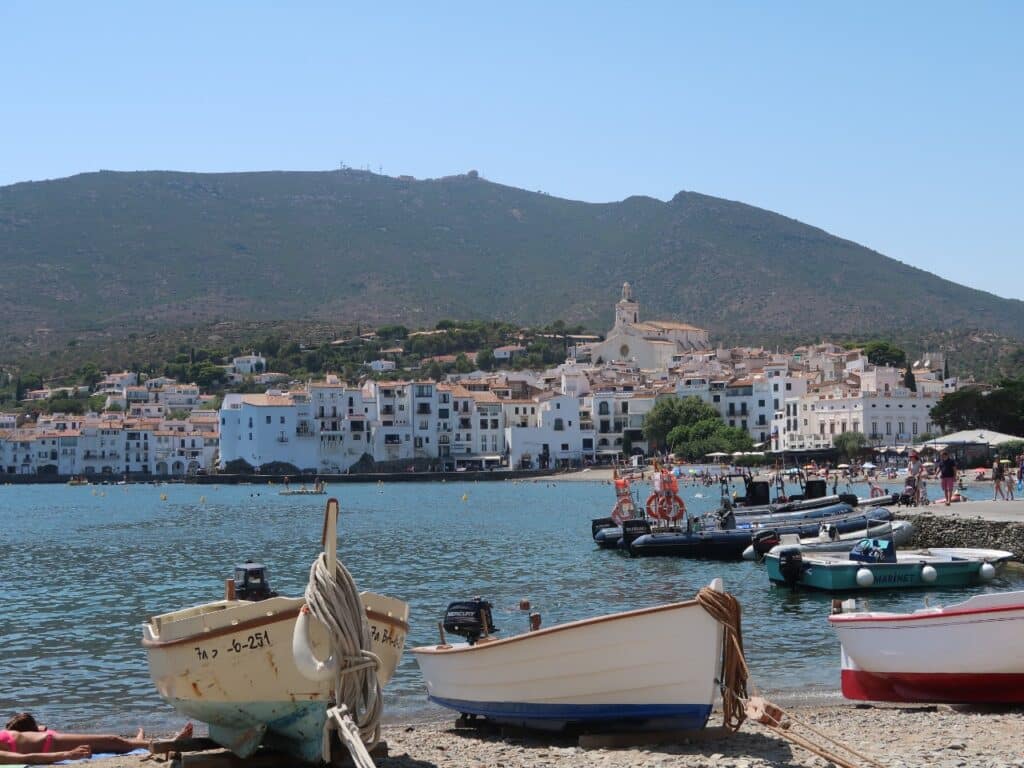
    • Costa Brava Day Trips extend Barcelona experiences to include spectacular coastal destinations. These hidden gems along Catalunya’s coastline offer pristine beaches, charming fishing villages, and dramatic cliff landscapes within easy reach of Barcelona. Day trips reveal authentic Catalan coastal culture while providing escape from urban environments. For more information about best places to go on Costa Brava you can check my article about Costa Brava.
    • Ideal Centre d’Arts Digitals showcases cutting-edge digital art experiences through VR and immersive installations. This innovative cultural center represents Barcelona’s modern artistic evolution while providing interactive experiences that traditional museums cannot offer. The center’s technology-focused exhibitions create unique memories while demonstrating Barcelona’s commitment to contemporary culture.
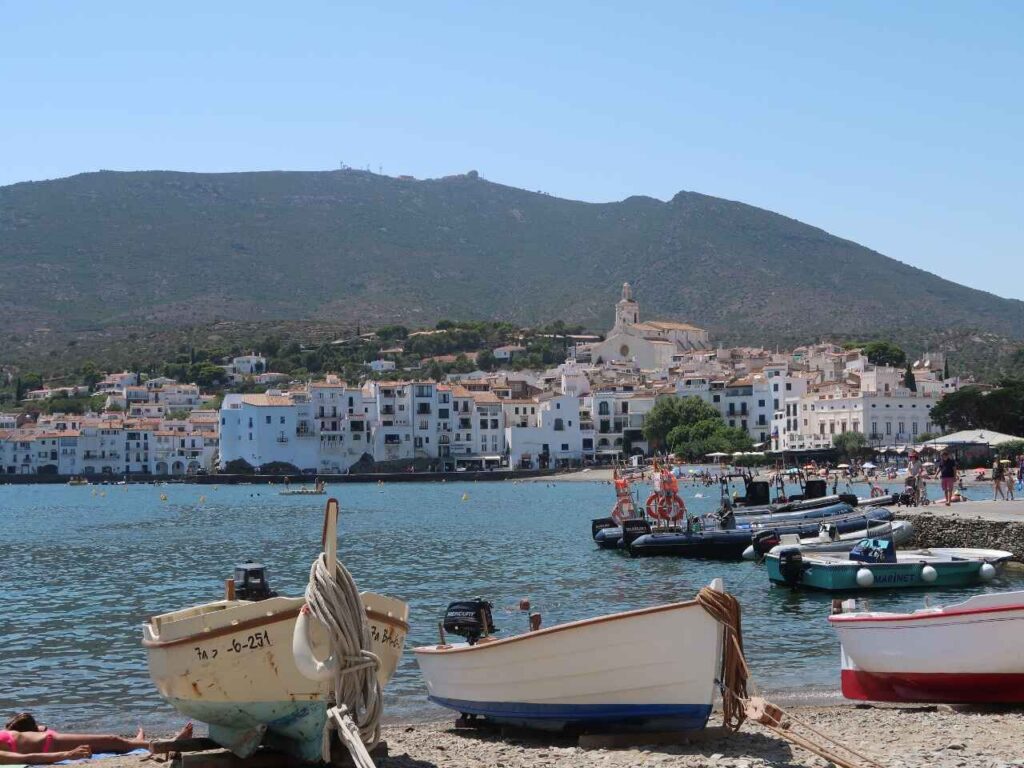
    costa-brava-cadaques

    What to See in Barcelona in 3 Days: Touristic Things to Do in Barcelona

    Understanding what to see in Barcelona in 3 days means embracing the city’s iconic attractions alongside its hidden treasures. These popular destinations became famous for good reasons and deserve inclusion in any comprehensive Barcelona itinerary.

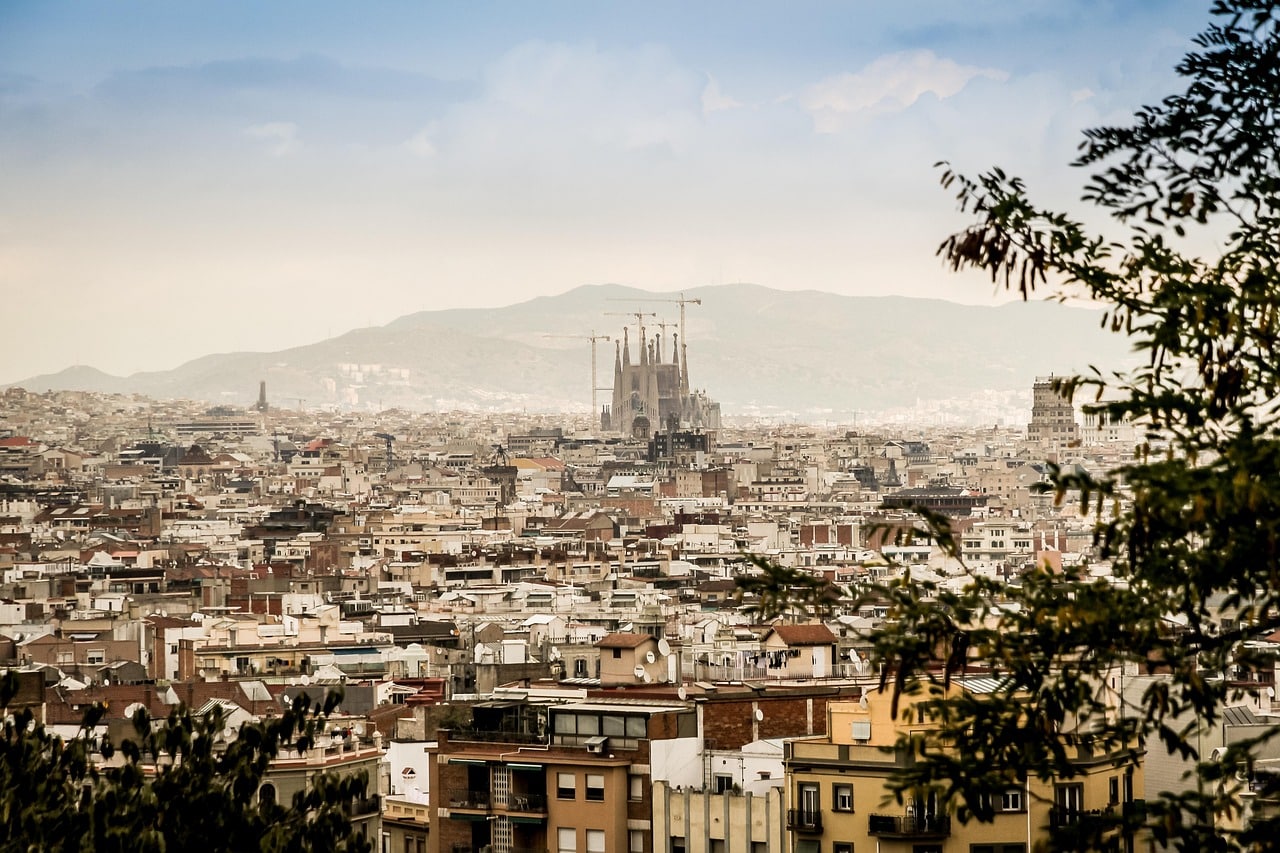
    • Sagrada Família – Barcelona’s Crown Jewel. The Sagrada Família stands as Barcelona’s most recognizable landmark and essential component of what to see in Barcelona in 3 days. Antoni Gaudí’s masterpiece combines Gothic and Art Nouveau forms in ways that continue inspiring architects worldwide. This UNESCO World Heritage site requires advance Barcelona ticket booking to avoid lengthy queues and explore both the basilica’s interior and towers. The morning light filtering through the stained glass windows creates magical color displays, while the intricate facades tell biblical stories through stone sculptures.
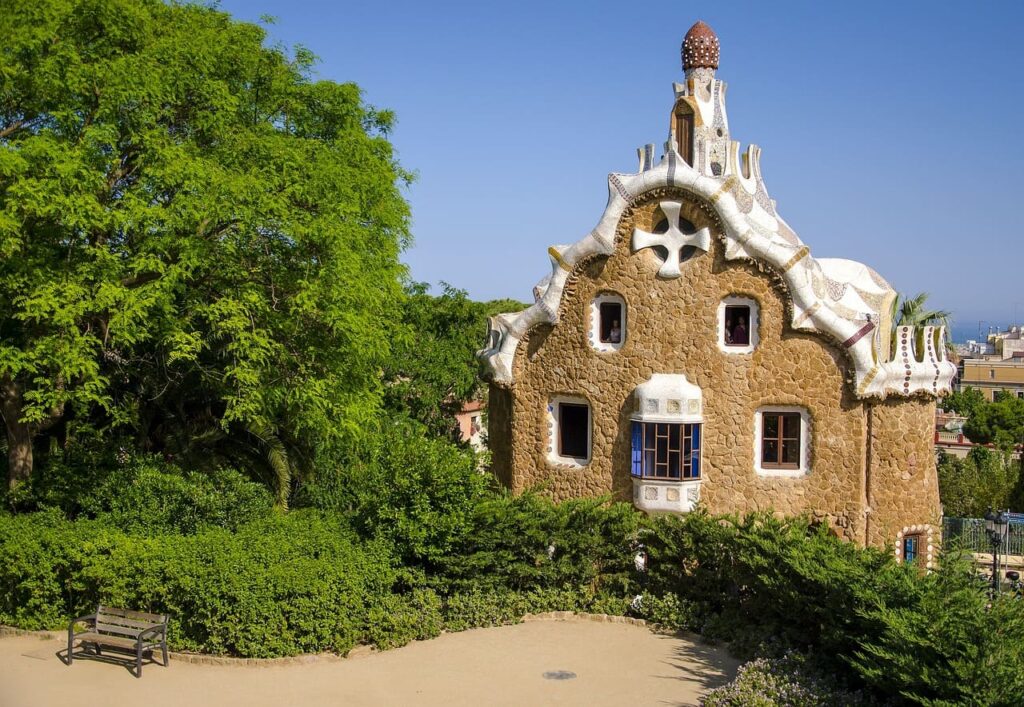
    • Park Güell showcases Gaudí’s whimsical approach to landscape design, featuring colorful mosaics, organic shapes, and stunning city views. The park’s main terrace provides excellent photo opportunities while the surrounding gardens offer peaceful walks through Gaudí’s imaginative world. The famous mosaic dragon and serpentine bench demonstrate Gaudí’s innovative use of broken ceramics (trencadís technique). Early morning visits ensure better lighting and fewer crowds for optimal photography.

    park-guell-barcelona

    • The Magic Fountain (Font Màgica) creates spectacular evening entertainment combining water, light, and music in synchronized displays. Located on Montjuïc Hill, this attraction draws crowds for its free performances, particularly during weekend evenings. The fountain’s shows feature classical music, popular songs, and dramatic lighting effects that transform the water into dancing sculptures. The surrounding area offers additional attractions including the National Art Museum of Catalonia and Olympic installations.
    • The Gothic Quarter represents Barcelona’s historical heart, containing Roman ruins, medieval churches, and atmospheric plazas. Barcelona walking tours through these ancient streets reveal layers of history from Roman Barcino to medieval Barcelona. The Cathedral of Barcelona anchors the quarter with its impressive facade and peaceful cloister, while Plaça Sant Jaume serves as Barcelona’s political center.
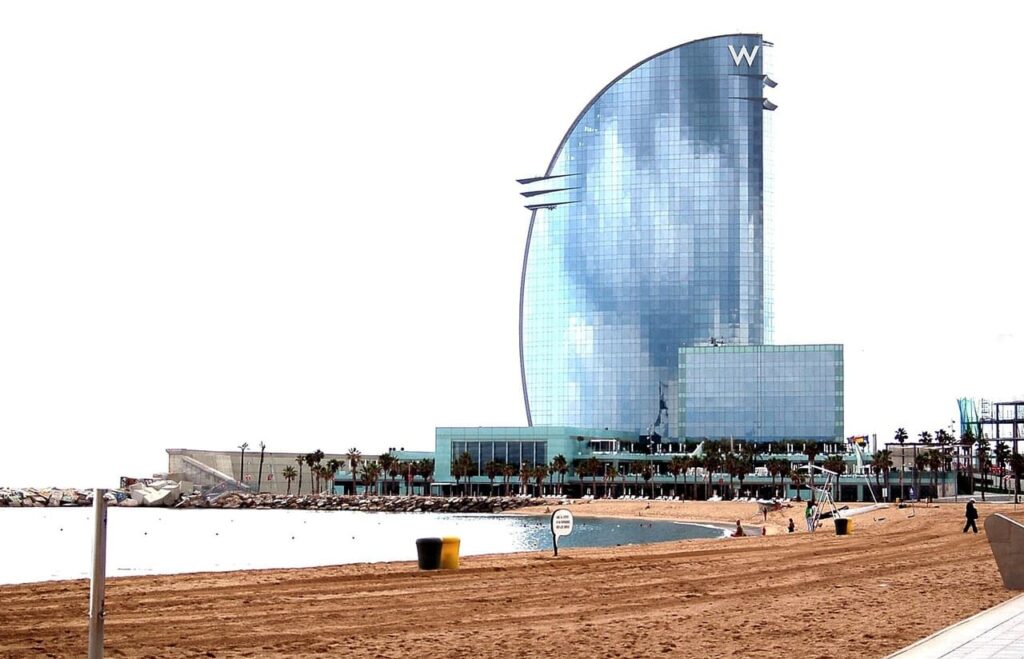
    • Barceloneta Beach represents Barcelona’s most famous coastal destination, offering golden sand, Mediterranean waters, and vibrant beach culture. This central beach features numerous chiringuitos (beach bars), water sports rentals, and the iconic boardwalk perfect for evening strolls. The area’s .
    • seafood restaurants serve fresh paella and local specialties while street performers create entertaining atmospheres. Barceloneta’s proximity to the city center makes it easily accessible via Barcelona public transport.
    • Additional Gaudí Masterpieces. Casa Batlló and Casa Milà (La Pedrera) demonstrate Gaudí’s residential architecture mastery. These UNESCO World Heritage sites feature innovative facades, creative interior spaces, and rooftop terraces with distinctive chimney designs. Audio guides enhance understanding of Gaudí’s techniques and philosophical approaches to modernist architecture
    barcelonetta

    Is Barcelona Expensive? – What Budget for Barcelona?

    Understanding Barcelona’s costs helps answer “is Barcelona expensive?” and enables better trip planning. Barcelona budget travel requires strategic choices about accommodation, dining, and activities while maintaining quality experiences.

    Accommodation Costs

    Barcelona offers accommodation options for various budgets, from hostels to luxury hotels. Central locations like Gothic Quarter and Eixample command premium prices, while neighborhoods like Gràcia and Poblenou provide more affordable alternatives with excellent Barcelona public transport connections.

    Budget travelers can find hostel beds for €20-30 per night, mid-range hotels typically cost €120-200 per night, while luxury accommodations range from €200-400+ per night. Booking in advance and avoiding peak tourist seasons significantly reduces costs.

    Dining and Food Expenses

    Barcelona’s dining scene accommodates different budgets through various options. Tapas bars offer affordable meals with portions costing €3-8 each, while set lunch menus (menú del día) provide full meals for €12-18. These represent excellent value compared to tourist-oriented restaurants.

    Local markets enable budget-conscious travelers to purchase fresh ingredients for picnic meals. Combining market visits with park dining creates memorable experiences while controlling food costs. Barcelona’s numerous parks and Barcelona beaches provide perfect picnic settings.

    Transportation and Activity Costs

    Barcelona public transport proves both efficient and economical. The T-Casual transport card offers ten journeys for approximately €13, covering metro, bus, and tram systems. Walking remains the best way to explore compact neighborhoods while saving money and discovering unexpected attractions. The taxi is a bit expensive compared to other prices in Spain. A ride from the airport to the city center being around 50 euros.

    Many Barcelona attractions offer combined tickets or city passes that reduce individual entry costs. Free activities include beach visits, park exploration, and architectural appreciation from exterior viewpoints. Planning ahead with Barcelona ticket booking ensures availability while sometimes providing discounts.

    For more information about Barcelona transportation, more city maps and schedule you can check the official city website.

    Barcelona Clubs – Where to have fun in Barcelona?

    Barcelona’s nightlife scene offers diverse experiences from intimate cocktail bars to massive dance clubs. Understanding Barcelona clubs helps visitors experience the city’s renowned party culture while respecting local customs and timing.

    Nightlife Districts

    The Gothic Quarter contains numerous bars and smaller clubs perfect for starting evening adventures. These venues typically open earlier than major clubs and offer more intimate atmospheres for conversation and socializing. The area’s medieval streets create unique settings for bar hopping.

    El Born and Barceloneta neighborhoods feature waterfront clubs and Barcelona rooftop bars with stunning city and sea views. These venues combine excellent cocktails with memorable settings, making them popular choices for both locals and visitors seeking sophisticated nightlife experiences.

    Club Culture and Timing

    Barcelona clubs operate on Mediterranean schedules, with most venues reaching peak activity between 2-5 AM. This timing allows for extended dinner experiences and bar visits before transitioning to dance clubs. Understanding these schedules prevents disappointment and ensures optimal experiences.

    Entry policies vary significantly between venues, with some requiring advance reservations or guest list registration. Dress codes tend toward smart casual, though specific requirements depend on individual establishments. Researching venues beforehand helps avoid entry complications.

    Barcelona Rooftop Bars and Sunset Venues

    Barcelona’s rooftop bars provide spectacular sunset viewing opportunities while offering premium cocktails and refined atmospheres. These venues combine excellent drinks with panoramic city views, creating memorable experiences perfect for romantic evenings or special celebrations.

    Many rooftop venues operate seasonally, with summer months providing optimal weather for outdoor enjoyment. Reservations often prove necessary, particularly for weekend evenings and sunset hours when demand peaks significantly.

    Example of 3 Days Barcelona Itinerary

    Day 1: Central Barcelona Highlights

    9:00 AM – 11:00 AM: Sagrada Família

    • Full exploration including towers (pre-booked tickets essential)
    • Allow 2 hours for comprehensive visit

    12:00 PM – 12:30 PM: Travel to Passeig de Gràcia

    • 15-minute metro ride from Sagrada Família
    • Short walk to start of avenue

    12:30 PM – 2:00 PM: Walk Passeig de Gràcia

    • Explore luxury shopping street
    • Admire Casa Batlló and Casa Milà exteriors
    • Window shopping and architecture photography

    2:00 PM – 3:00 PM: Lunch break

    • Traditional Catalan restaurant along Passeig de Gràcia
    • Rest before afternoon exploration

    3:00 PM – 3:30 PM: Travel to El Born

    • 20-minute walk or short metro ride
    • Navigate to Santa Maria del Mar area

    3:30 PM – 5:30 PM: Explore El Born

    • Santa Maria del Mar basilica
    • Picasso Museum (if time permits)
    • Browse trendy boutiques and galleries
    • Experience neighborhood’s artistic atmosphere

    5:30 PM – 6:00 PM: Walk to Gothic Quarter

    • Adjacent neighborhoods, 10-minute walk
    • Enter via Carrer de la Princesa

    6:00 PM – 8:00 PM: Gothic Quarter exploration

    • Barcelona Cathedral and cloister
    • Roman walls and medieval streets
    • Plaça Sant Jaume and surrounding areas
    • Traditional shops and hidden courtyards

    8:00 PM – 8:30 PM: Travel to Barceloneta

    • 25-minute walk or metro L4 to Barceloneta
    • Head directly to beachfront

    8:30 PM – 10:00 PM: Barceloneta Beach and dinner

    • Beach stroll and sunset viewing
    • Fresh seafood at beachfront chiringuito
    • Experience Mediterranean atmosphere

    10:30 PM – Late: Night in Poble Sec

    • Tapas bar hopping along Carrer de Blai
    • Authentic local nightlife experience

    Day 2: Nature, Heights, and Hidden Gems

    8:00 AM – 9:00 AM: Early breakfast and travel preparation

    • Light breakfast near accommodation
    • Check weather conditions for outdoor activities

    9:00 AM – 10:00 AM: Travel to Parc del Labirint d’Horta

    • Metro L3 to Mundet station
    • 10-minute walk to park entrance

    10:00 AM – 12:00 PM: Parc del Labirint d’Horta

    • Explore hedge maze and neoclassical gardens
    • Photography and peaceful garden walks
    • Experience Barcelona’s most beautiful secret park

    12:00 PM – 1:00 PM: Travel to Carretera de les Aigües

    • Probably the best way is to travel by taxi.
    • Pack water and snacks for hiking; also it would be a good idea to pack the lunch for the hike

    1:00 PM – 3:00 PM: Hike Carretera de les Aigües

    • Elevated trail with continuous city views
    • Moderate difficulty hiking experience
    • Spectacular photography opportunities

    3:00 PM – 4:00 PM: Travel to Tibidabo

    • Continue from hiking area or return to city center
    • Funicular or bus to summit

    4:00 PM – 6:00 PM: Tibidabo

    • Sacred Heart Cathedral visit
    • Panoramic city and coastline views
    • Peaceful spiritual atmosphere

    6:00 PM – 7:00 PM: Travel to Park Güell

    • The best way for transit is taxi + metro
    • Metro and bus connections required

    7:00 PM – 8:30 PM: Park Güell

    • Gaudí’s landscape architecture masterpiece
    • Famous mosaic dragon and serpentine bench
    • City views during golden hour

    08:30 PM – 09:00 PM: Travel to central Barcelona

    • Return to city center for nightlife
    • Choose rooftop bar or club location

    11:00 PM – Late: Club or rooftop bar experience

    • Barcelona’s famous nightlife scene
    • Dancing, cocktails, and late-night socializing
    • Experience Mediterranean party culture

    Day 3: Costa Brava Day Trip

    7:00 AM – 8:00 AM: Early breakfast and departure preparation

    • Pack beach essentials and comfortable clothes
    • Check bus schedules and weather

    8:00 AM – 9:30 AM: Travel to Tossa de Mar

    • Bus from Barcelona Nord station
    • 1.5-hour scenic coastal journey

    9:30 AM – 12:00 PM: Morning in Tossa de Mar

    • Explore medieval Vila Vella (Old Town)
    • Walk along ancient fortress walls
    • Discover narrow cobblestone streets

    12:00 PM – 2:00 PM: Beach time and lunch

    • Relax on Platja Gran main beach
    • Fresh seafood lunch at waterfront restaurant
    • Swimming and sunbathing

    2:00 PM – 4:00 PM: Afternoon exploration

    • Hike to lighthouse viewpoints
    • Explore hidden coves and smaller beaches
    • Photography of dramatic coastline

    4:00 PM – 6:00 PM: Final beach time

    • Last swimming session
    • Souvenir shopping in town center
    • Café stop before departure

    6:00 PM – 7:30 PM: Return journey to Barcelona

    • Bus back to Barcelona Nord
    • Rest and reflect on Costa Brava experience

    7:30 PM – 9:00 PM: Return to accommodation

    • Freshen up and rest
    • Light dinner or tapas

    9:00 PM onwards: Relaxed evening in Barcelona

    • Gentle neighborhood walk
    • Final Barcelona impressions
    • Early rest before departure

    Conclusion

    Understanding what to see in Barcelona in 3 days requires balancing iconic attractions with authentic local experiences. This comprehensive approach ensures visitors appreciate both Barcelona’s international reputation and its genuine character as a living, breathing Mediterranean city.

    Successful Barcelona visits combine careful planning with spontaneous discovery opportunities. While major attractions like Gaudí masterpieces and Gothic Quarter exploration deserve inclusion in any itinerary, the most memorable experiences often emerge from unexpected encounters with local culture, hidden neighborhoods, and authentic Catalan traditions.

    Barcelona’s diverse offerings ensure that every visitor can find personally meaningful experiences, whether through art appreciation, culinary adventures, architectural wonder, or simply enjoying the Mediterranean lifestyle that defines this remarkable city.

    The key to maximizing what to see in Barcelona in 3 days lies in understanding that Barcelona rewards both structured planning and flexible exploration. By combining must-see attractions with personal interests and local discoveries, visitors create comprehensive Barcelona experiences that extend far beyond typical tourist encounters.

    If you need help organizing your vacation in, or around Barcelona do not hesitate to contact me. For more travel inspiration follow me on Instagram. If you have already visited Barcelona and you want to experiment more destinations in Spain check my list of the 20 best destination in Spain.

    TL;DR

    What to see in Barcelona in 3 days: Focus on Gaudí masterpieces (Sagrada Família, Park Güell), Gothic Quarter exploration, and Barcelona beaches. Include both touristy attractions and non touristy things to do in Barcelona like going to the hills above the city and other hidden gems as Parc del Labirint d’Horta, or Tibidabo.

    Budget: Barcelona is moderately expensive. Expect €20-30 for hostel beds, €120-200 for mid-range hotels, €12-18 for lunch menus, and €12 for 10-journey transport cards. Advanced Barcelona ticket booking saves money and time.

    Nightlife: Barcelona clubs operate late (2-5 AM). Start with Gothic Quarter or El Born bars, then move to major clubs. Barcelona rooftop bars offer sunset views and premium experiences.

    Essential Barcelona itinerary: Day 1 – Sagrada Familia and the old city center; Day 2 – Try a hike in the mountains nearby and enjoy other hidden gems in Barcelona; Day 3 – Have a day trip around!

  • Hidden Gems in Tenerife: Secret Places, Local Food & Best Areas to Stay (2026 Guide)

    Hidden Gems in Tenerife: Secret Places, Local Food & Best Areas to Stay (2026 Guide)

    Beyond the sun-soaked beaches of Costa Adeje and the bustling promenades of Playa de las Américas lies a completely different Tenerife – one where ancient villages cling to volcanic cliffs, where locals gather in family-run eateries called guachinches, and where dramatic landscapes remain untouched by mass tourism. These hidden gems in Tenerife offer authentic experiences that most visitors never discover, transforming your typical Canary Islands vacation into an unforgettable journey of exploration (and trust us, your Instagram followers will be seriously jealous).

    While millions flock to Tenerife’s popular tourist destinations each year, the island’s most magical moments happen in its secret corners – from the mystical village of Masca perched dramatically between towering cliffs to the forgotten coastal settlements of the northeast where time seems to have stopped. This comprehensive guide reveals Tenerife’s best-kept secrets, including authentic dining experiences, strategic accommodation choices, and insider tips to help you avoid tourist traps while discovering the island’s true character. If high openness defines you as a person, Tenerife is one of the Spanish regions that are the most suitable for your personality.

    Whether you’re seeking off-the-beaten-path adventures, authentic Canarian cuisine, or simply want to experience Tenerife like a local, these hidden treasures will show you why this volcanic island offers so much more than meets the eye. From mysterious pyramids to traditional wine cellars, prepare to uncover a side of Tenerife that will leave you planning your return before you’ve even left.

    Before you plan
    What kind of traveler are you, really?

    This route rewards some temperaments more than others. Take the two-minute quiz and find out whether it fits the way you actually travel, before you copy a single day of it.

    Openness
    Need for structure
    Sociability
    Take the free quiz →
    20 questions · about 3 minutes · no account needed to start

    Tenerife Secret Places: Undiscovered Villages and Natural Wonders

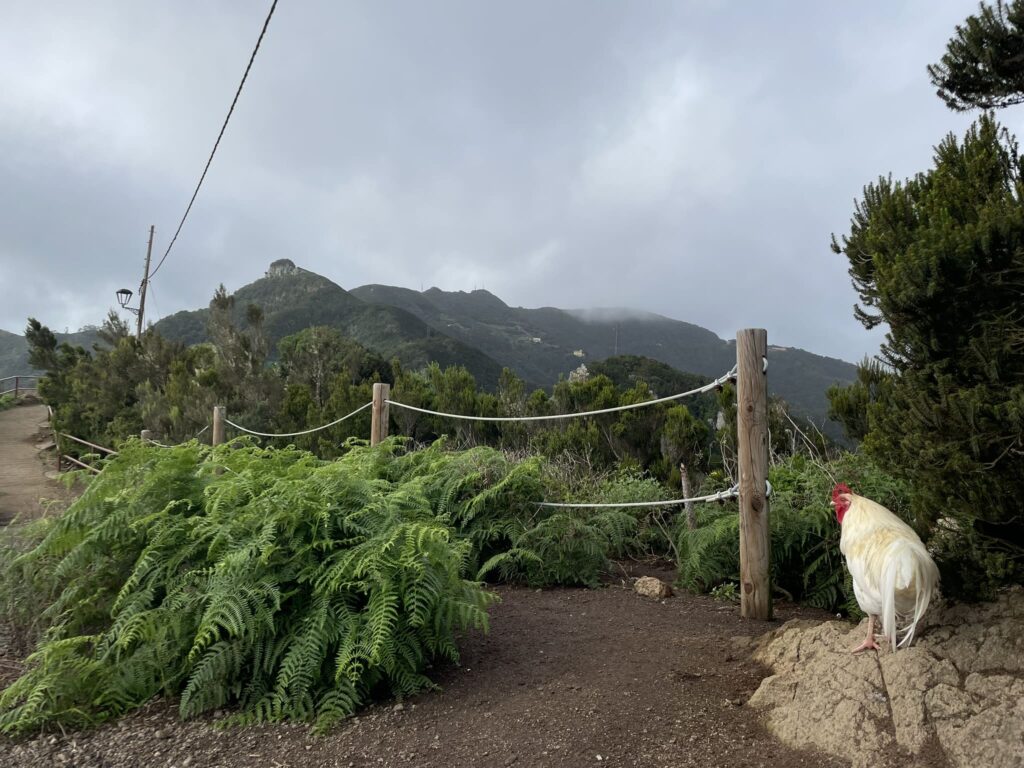
    1. Hidden gems in Tenerife: Los Catalanes and the Forgotten North-East Villages

    Tucked away in Tenerife’s rugged northeast corner, Los Catalanes represents everything that makes the island’s Tenerife secret places so special. This tiny hamlet, accessible only via winding mountain roads, offers visitors a glimpse into authentic Canarian life that has remained largely unchanged for generations. The village’s name pays homage to Catalan settlers who arrived centuries ago, and their influence can still be felt in the local architecture and cultural traditions.

    The journey to Los Catalanes is half the adventure – narrow roads snake through ancient laurel forests and offer breathtaking views of the Atlantic Ocean crashing against dramatic black volcanic cliffs. Unlike the manicured tourist areas, this region showcases Tenerife’s wild beauty, where endemic plants thrive in microclimates created by the trade winds and mountainous terrain.

    What makes Los Catalanes particularly special is its proximity to other forgotten settlements like Almáciga, Benijo, and Taganana. These authentic Tenerife villages form a network of undiscovered destinations where you can witness traditional farming methods, sample homemade cheese from local goats, and experience the warm hospitality that defines rural Canarian culture. The best time to explore this region is during the morning hours when mist often clings to the mountains, creating an almost mystical atmosphere that photographers and nature lovers find irresistible.

    hidden-gems-in-tenerife-rural-canarian

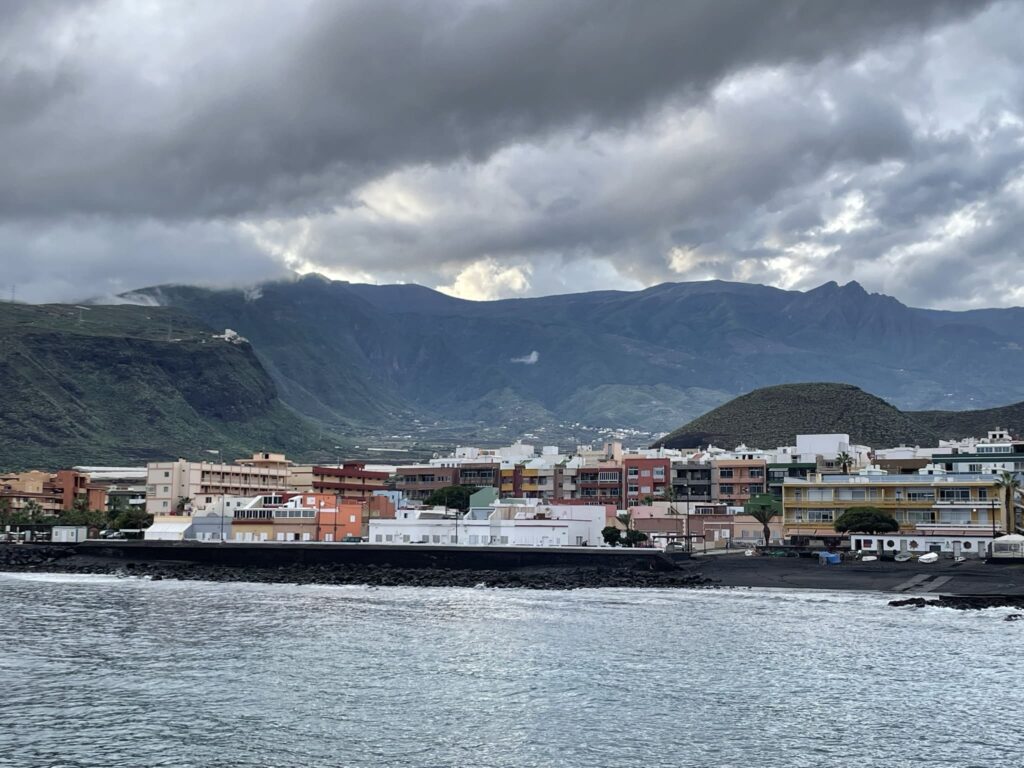
    The view from the north-eastern side of Tenerife

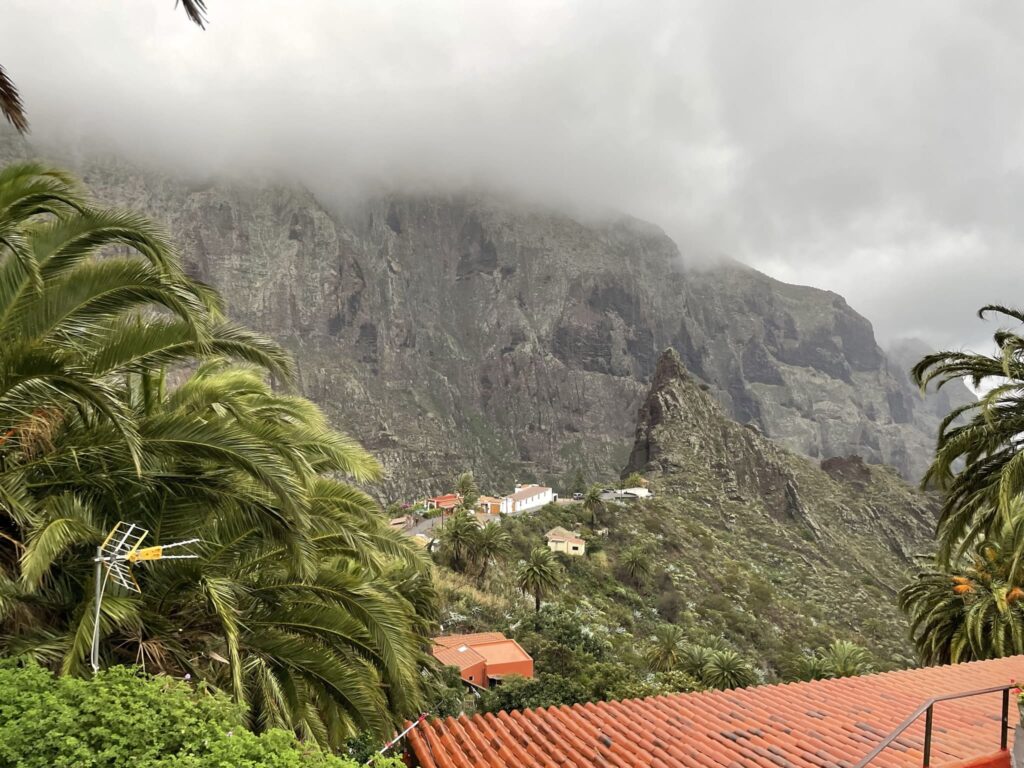
    2. Hidden gems in Tenerife: Masca

    Perched precariously between towering cliffs in the Teno Mountains, Masca ranks among Tenerife’s most spectacular Tenerife secret places. This ancient village, once home to pirates and smugglers (who clearly had excellent taste in real estate), seems to defy gravity as it clings to the mountainside at an elevation of nearly 650 meters. The journey to Masca involves navigating one of Europe’s most dramatic mountain roads, with hairpin turns revealing increasingly stunning vistas of the surrounding ravine.

    The village itself consists of just a handful of traditional stone houses, a small church, and a restaurant where you can sample local specialties while gazing across the dramatic Masca Gorge. What truly sets this hidden gem apart is the famous Masca Trail, a challenging hiking route that descends through the ravine to a secluded black sand beach accessible only on foot or by boat.

    Due to its popularity among hikers, access to the Masca Trail is now regulated with advance bookings required, making it essential to plan ahead. However, even without hiking the trail, simply visiting the village and exploring the surrounding viewpoints offers unforgettable experiences. The late afternoon provides the most dramatic lighting for photography, when the western sun illuminates the cliff faces and creates stunning contrasts between light and shadow.

    secret-places-in-tenerife-masca

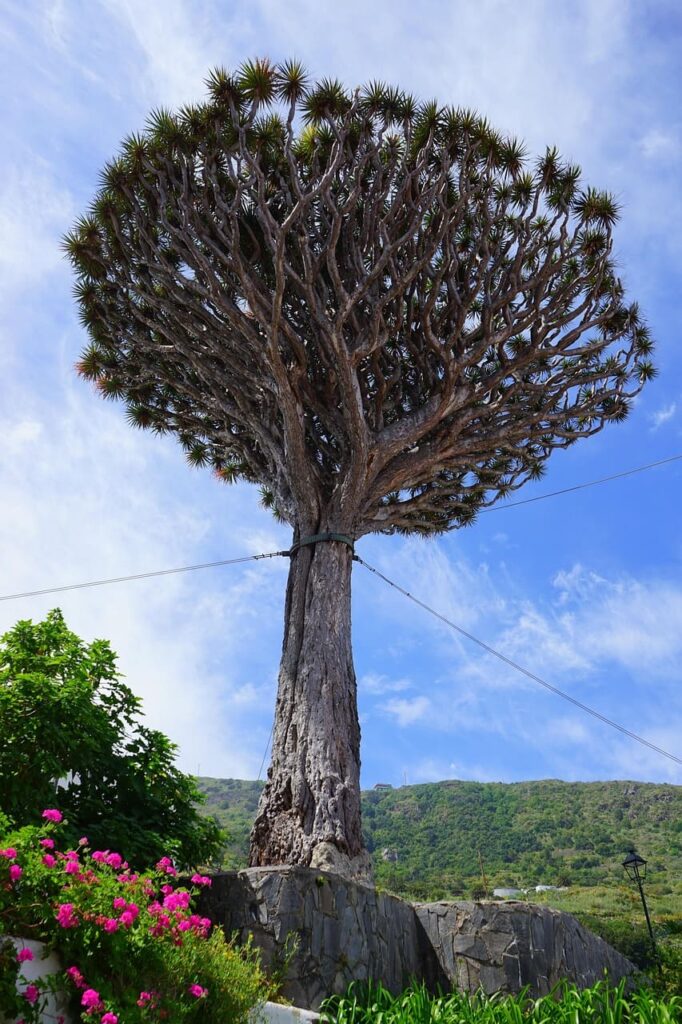
    3. Hidden gems in Tenerife: Icod de los Vinos, Beyond the Dragon Tree

    While many visitors to Icod de los Vinos come solely to see the famous Drago Milenario – the thousand-year-old dragon tree – this charming town offers numerous other attractions that qualify it as one of Tenerife’s overlooked treasures. The historic center features beautiful colonial architecture, traditional Canarian balconies, and peaceful plazas where locals gather for evening conversations (and the occasional heated debate about football).

    The town’s wine-making heritage runs deep, with several family-owned bodegas offering tastings of distinctive Canarian wines made from volcanic soil. These intimate wine experiences provide insight into traditional viticultural methods that have been passed down through generations. The volcanic caves beneath the town, known as Cueva del Viento, represent one of the world’s longest lava tube systems and offer guided tours through underground chambers formed by ancient volcanic activity.

    Beyond the main attractions, Icod de los Vinos serves as an excellent base for exploring the surrounding Teno Rural Park, where numerous hiking trails lead through pristine forests and offer spectacular coastal views. The town’s authentic atmosphere, combined with its strategic location and rich cultural heritage, makes it an ideal destination for travelers seeking genuine Canarian experiences away from tourist crowds.

    icod-de-los-vinos-dragon-tree

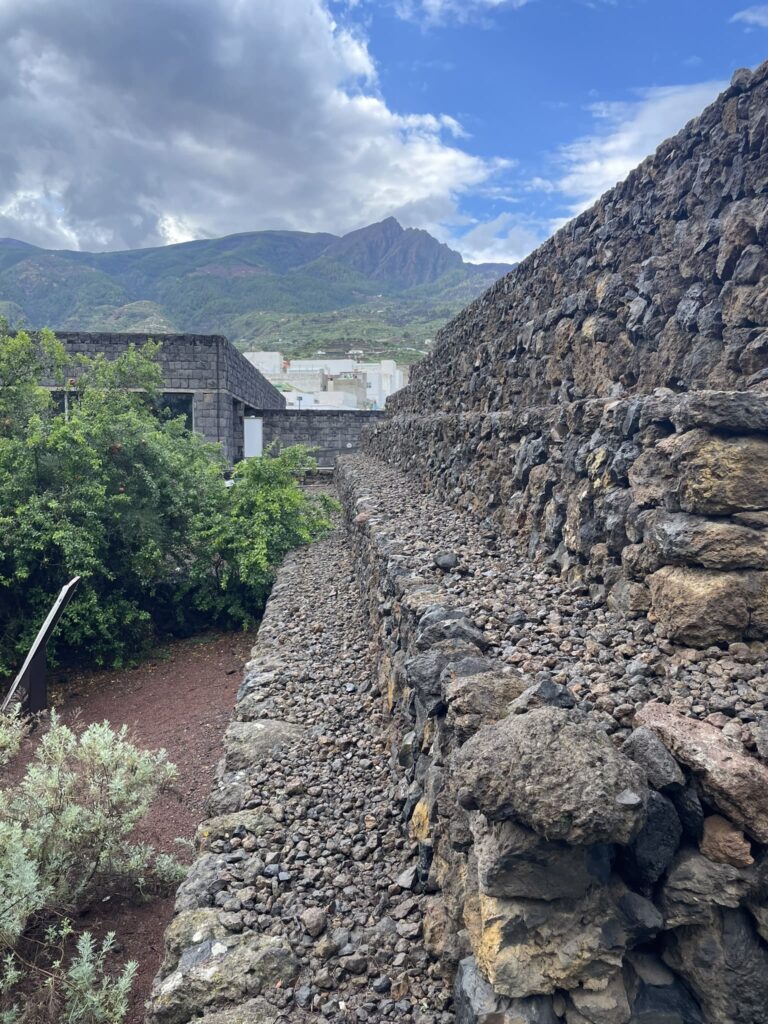
    4. Hidden gems in Tenerife: Güímar, Ancient Mysteries and Coastal Charms

    The town of Güímar holds two distinct treasures that make it essential for any exploration of Tenerife secret places. The mysterious Güímar Pyramids, studied extensively by Norwegian explorer Thor Heyerdahl, continue to puzzle archaeologists and visitors alike. These step pyramids, built from volcanic stone without mortar, demonstrate sophisticated astronomical alignments that suggest advanced ancient knowledge.

    The Ethnographic Park at Güímar provides comprehensive information about these enigmatic structures while showcasing traditional Canarian culture through exhibits on local crafts, agriculture, and maritime history. The park’s gardens feature plants from around the world, creating a peaceful environment for contemplation and learning.

    Just a short drive from the pyramids, Puertito de Güímar offers a completely different but equally rewarding experience. This small fishing village maintains its authentic character despite being easily accessible from the main tourist areas. The natural pools formed by volcanic rock provide perfect swimming spots, while the small harbor area features excellent seafood restaurants where local fishermen sell their daily catch. The combination of historical mystery and coastal tranquility makes Güímar an ideal destination for visitors seeking both cultural enrichment and relaxation.

    guimar-pyramids
    puertito-de-guimar-secret-spots-tenerife

    View of Puertito Guimar

    What Food is Tenerife Famous For: Authentic Culinary Experiences

    Traditional Canarian Cuisine Overview

    Tenerife’s culinary landscape reflects its unique position as a bridge between Europe, Africa, and the Americas, creating a distinctive gastronomy that goes far beyond typical Spanish fare. The island’s volcanic soil produces exceptional ingredients, from sweet potatoes and plantains to exotic fruits that thrive in the subtropical climate. Understanding what food is Tenerife famous for requires appreciating how geography, history, and local traditions combine to create unforgettable dining experiences.

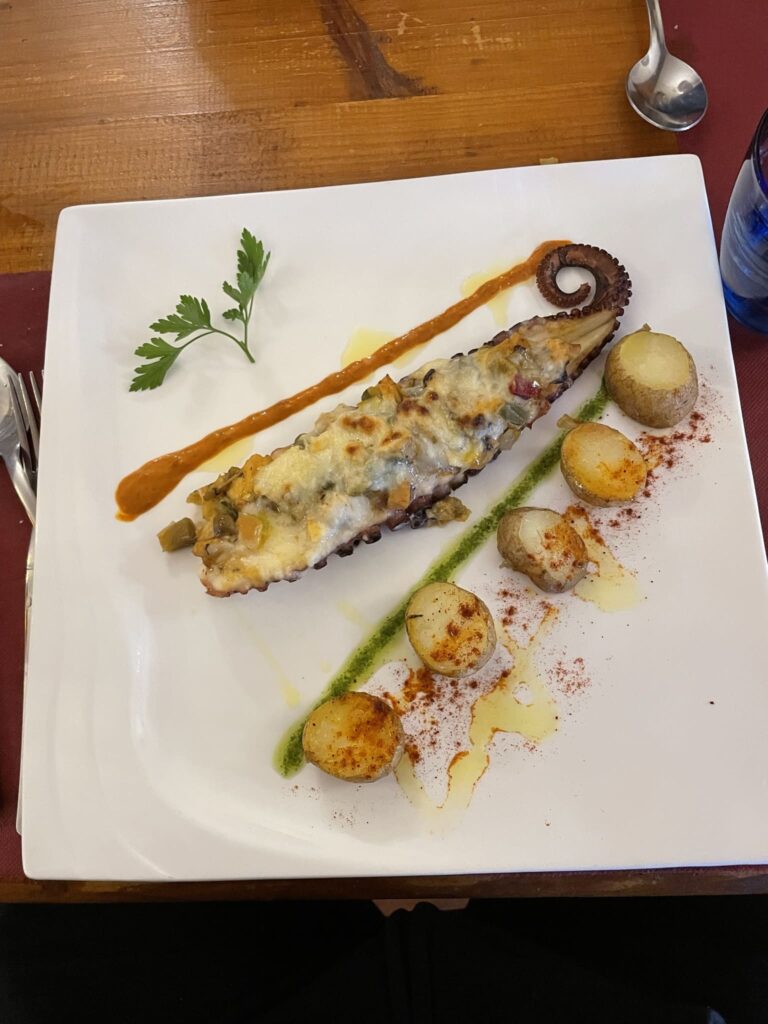
    The cornerstone of Canarian cuisine is “papas arrugadas” – small potatoes boiled in heavily salted water until wrinkled, served with “mojo” sauces that come in green (cilantro and parsley) or red (paprika and chili) varieties. These simple yet flavorful dishes represent the essence of local cooking: fresh ingredients prepared with time-honored techniques that enhance natural flavors rather than masking them.

    Fresh fish and seafood play crucial roles in Tenerife’s culinary identity, with varieties like “vieja” (parrotfish), “sama” (sea bream), and “cherne” (wreckfish) prepared simply to showcase their oceanic freshness. Local fishing boats bring daily catches to small coastal restaurants where traditional preparation methods ensure authentic flavors that transport diners directly to the Atlantic’s edge.

    Gofio, a toasted grain flour that predates Spanish colonization, appears in numerous traditional dishes and represents the islands’ indigenous Guanche heritage. This versatile ingredient adds nutty flavors and nutritional value to everything from breakfast porridge to dessert mousses, demonstrating how ancient foods continue to define modern Canarian gastronomy.

    tenerife-seafood

    Hidden gems in Tenerife: The Guachinche Experience

    No exploration of what food is Tenerife famous for would be complete without experiencing a guachinche – traditional family-run establishments that originated as private homes where locals served homemade wine and simple meals to neighbors and friends. These authentic dining venues offer the most genuine Canarian culinary experiences, far removed from tourist-oriented restaurants (and thankfully, far from anyone trying to sell you a timeshare).

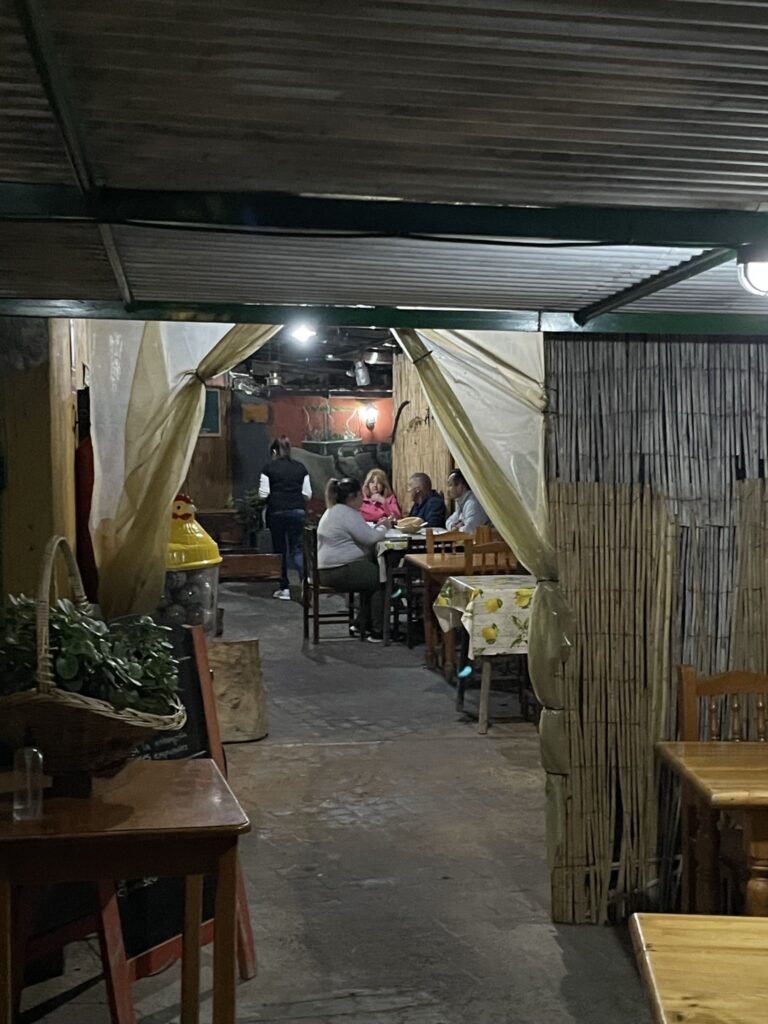
    Guachinches typically operate seasonally, usually from November to May, coinciding with the local wine harvest and fermentation cycle. The concept stems from centuries-old traditions where families would sell their surplus wine production along with hearty home-cooked meals. Today’s guachinches maintain this intimate atmosphere, often featuring just a few tables in converted garages or rural homes where multiple generations of the same family prepare and serve traditional dishes.

    The menu at a typical guachinche changes daily based on available ingredients and family recipes, but usually includes specialties like “carne fiesta” (marinated pork), “conejo en salmorejo” (rabbit in herb sauce), and “ropa vieja” (shredded beef stew). These substantial dishes reflect the agricultural heritage of Tenerife’s rural communities, prepared using techniques passed down through generations.

    Finding authentic guachinches requires local knowledge, as they rarely advertise and operate primarily through word-of-mouth recommendations. The most traditional establishments are located in small villages throughout the island, particularly in areas like La Matanza, El Sauzal, and Tacoronte. Prices remain remarkably reasonable, with complete meals including wine often costing less than a single course at tourist restaurants.

    The social aspect of dining at guachinches is equally important as the food itself. These venues serve as community gathering places where locals catch up on neighborhood news, families celebrate special occasions, and visitors can experience genuine Canarian hospitality. Don’t expect fancy presentations or extensive wine lists – the appeal lies in honest, flavorful food served in welcoming environments that embody the island’s authentic spirit.

    guachinche-experience-tenerife

    Best Places to Stay in Tenerife: Strategic Locations for Hidden Gem Hunters

    North Coast: Base for Village Exploration

    The northern region of Tenerife offers the best places to stay in Tenerife for travelers prioritizing authentic experiences and easy access to the island’s most charming hidden villages. Puerto de la Cruz, the island’s original tourist destination, maintains much of its traditional character while providing excellent accommodations and transportation connections to hidden gems in Tenerife that remain largely undiscovered by mainstream tourism.

    Staying in the north provides several strategic advantages for exploring hidden gems in Tenerife. The region’s cooler, more humid climate supports lush vegetation and dramatic landscapes that contrast sharply with the arid south. Morning mist and afternoon trade winds create constantly changing atmospheric conditions that make each day’s exploration unique and photogenic, perfect for discovering secret things to do in Tenerife.

    Hotels in Puerto de la Cruz range from historic properties that have hosted visitors for over a century to modern boutique establishments that blend traditional architecture with contemporary amenities. Many accommodations feature traditional Canarian courtyards, volcanic stone construction, and panoramic views of the Atlantic Ocean or Mount Teide

    The town serves as an excellent base for day trips to Los Catalanes and other northeast villages, with rental cars easily accessible and scenic driving routes that transform transportation into part of the adventure. While the north is generally safe, it’s worth noting some areas to avoid in Tenerife during certain weather conditions – coastal paths can become slippery during heavy rains, and some mountain roads may be challenging for inexperienced drivers.

    Alternative accommodation options in the north include rural hotels in La Orotava, where traditional mansions have been converted into intimate lodging experiences surrounded by banana plantations and ancient forests. These properties offer authentic immersion in Canarian rural life while maintaining comfortable amenities that ensure restorative nights after days of exploring hidden gems in Tenerife.

    Central/Mountain Areas: For Nature Lovers

    Mountain accommodations provide unparalleled access to Tenerife’s most dramatic landscapes and best hiking opportunities. The areas around La Orotava and the foothills of Mount Teide offer some of the best places to stay in Tenerife for travelers seeking both natural beauty and cultural authenticity, with easy access to unique things to do in Tenerife that most visitors never experience.

    Rural houses, known locally as “casas rurales”, represent the most authentic accommodation option in central Tenerife. These traditional properties, often featuring original volcanic stone construction and surrounded by terraced gardens, provide intimate experiences of rural Canarian life. Many casas rurales are working farms where guests can participate in daily activities like goat milking, cheese making, or vegetable harvesting – authentic things to do in Tenerife that beat room service any day.

    The central mountains offer excellent access to Masca and numerous hidden gems in Tenerife, with several accommodation options in nearby villages like Buenavista del Norte or Santiago del Teide.

    These locations provide stunning sunset views while serving as strategic bases for exploring the Teno Mountains and their hidden villages.

    Higher altitude accommodations near Teide National Park offer unique experiences for stargazing enthusiasts and early morning hikers. The Parador de Cañadas del Teide, located within the national park itself, provides luxury accommodations at over 2,000 meters elevation, making it possible to witness spectacular sunrises from Spain’s highest peak – one of the most spectacular things to do in Tenerife.

    Climate considerations are important when choosing mountain accommodations, as temperatures can be significantly cooler than coastal areas, particularly during winter months. Some areas to avoid in Tenerife include high-altitude locations during severe weather warnings, as mountain roads can become treacherous in fog or ice conditions.

    Ready to Discover Your Perfect Tenerife Adventure?

    Tenerife’s incredible diversity means there’s truly something magical waiting for every type of traveler. From the hidden gems in Tenerife tucked away in ancient villages to the stunning volcanic landscapes that define this remarkable island, your perfect Canary Islands adventure is just waiting to be planned.

    But here’s the thing – with so many incredible things to do in Tenerife and countless accommodation options to choose from, planning the perfect itinerary can feel overwhelming. That’s exactly why I’m here to help.

    Let’s Plan Your Dream Tenerife Trip Together

    Whether you’re drawn to discovering Tenerife secret places, exploring charming mountain villages, or wondering what food is Tenerife famous for, I’d love to help you create a personalized itinerary that matches your travel style and interests. I can also guide you on areas to avoid in Tenerife to ensure your trip is both safe and unforgettable.

    Need help planning your Tenerife adventure? Drop me a comment below or contact me via the website.

    • How many days will you be visiting?
    • What type of experiences excite you most – hidden gems in Tenerife or popular attractions?
    • Are you a foodie curious about what food is Tenerife famous for?
    • Are you traveling solo, as a couple, or with family?

    Stay Connected for More Tenerife Secrets

    Follow along for more:

    • 📖 Read my other travel articles – I’ve covered more topics and travel destinations. If Tenerife does not seem for you maybe there are other destination in Spain you would like to explore, like the Costa Brava.
    • 📸 Follow me on Instagram [@theverse_voyager] – I share real-time updates, stunning photos from my latest hidden gems in Tenerife discoveries, and behind-the-scenes glimpses of authentic local experiences
    • 💬 Join the conversation – Your questions and experiences help me create even better content for fellow travelers

    Your Tenerife Adventure Starts Now

    Don’t let analysis paralysis keep you from experiencing one of World’s most diverse and beautiful destinations. Whether you’re planning your first visit or returning to explore more Tenerife secret places, I’m here to ensure you discover not just the popular attractions, but the authentic experiences that will make your trip truly unforgettable.

    I’ll help you navigate everything from the most exciting things to do in Tenerife to areas to avoid in Tenerife for safety reasons, plus I’ll share my insider knowledge about what food is Tenerife famous for so you can eat like a local throughout your stay.

    Ready to start planning? Let’s make your Tenerife dreams a reality – I can’t wait to help you discover your own favorite hidden gems in Tenerife! For more general information about the island I totally recommend you to read the offical tourism page of the island.

    But here’s the thing – with so many incredible things to do in Tenerife and countless accommodation options to choose from, planning the perfect itinerary can feel overwhelming. That’s exactly why I’m here to help.

  • 20 Best Destinations in Spain in 2026: Quiet Retreats, Historic Sites, Hidden Gems & Nightlife Hotspots

    20 Best Destinations in Spain in 2026: Quiet Retreats, Historic Sites, Hidden Gems & Nightlife Hotspots

    Spain offers far more than the typical tourist trail of Barcelona and Madrid. From mountain villages where time stands still to mysterious archaeological sites that baffle scientists, from world-renowned party destinations to sophisticated cultural capitals – this diverse country caters to every type of traveler.

    This comprehensive guide explores 20 of the best destinations in Spain across four distinct categories: peaceful retreats for those seeking tranquility, historic sites rich in culture and heritage, hidden gems that most tourists never discover, and vibrant nightlife destinations where the party never stops.

    Whether you’re planning a quiet mountain escape, a cultural deep-dive into Spain’s layered history, an adventure to unexplored corners, or nights filled with world-class entertainment, these carefully selected destinations showcase the authentic Spain beyond the obvious choices. For choosing an even better suited experience for yourself you can also read my article about what Spanish region to visit depending on your personality.

    Before you plan
    What kind of traveler are you, really?

    This route rewards some temperaments more than others. Take the two-minute quiz and find out whether it fits the way you actually travel, before you copy a single day of it.

    Openness
    Need for structure
    Sociability
    Take the free quiz →
    20 questions · about 3 minutes · no account needed to start

    Best destinations in Spain: Quiet Places in Spain

    1. Quiet places in Spain:  Siurana, Catalonia

    • Setting: Mountain village perched on dramatic cliffs
    • Population: Under 30 residents
    • Perfect For: Rock climbing, hiking, complete disconnection

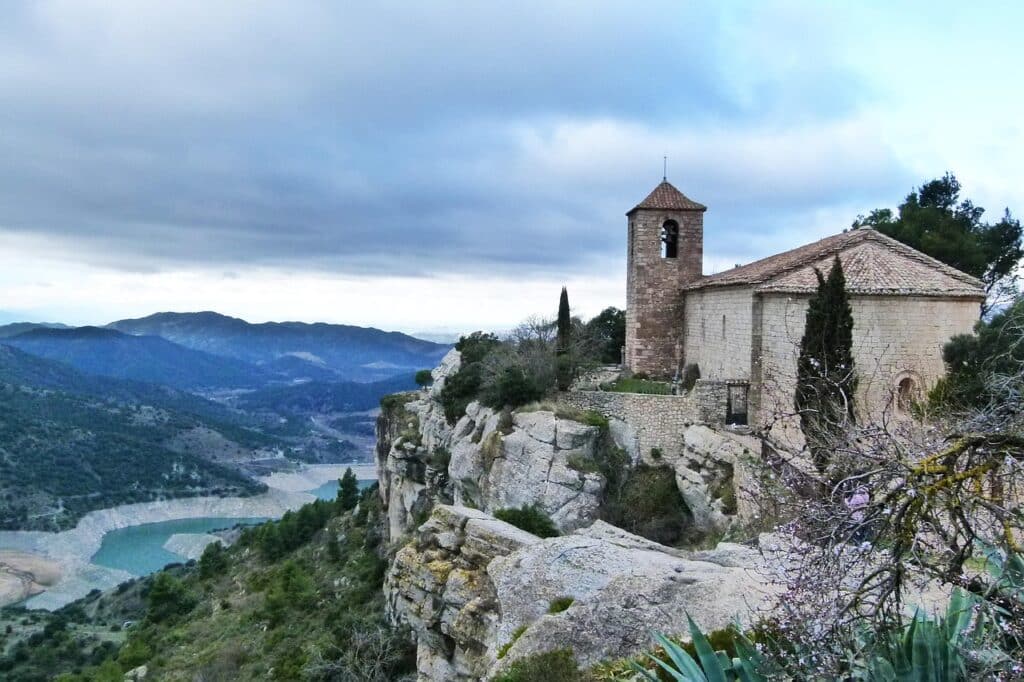
    Perched precariously on a cliff edge in Catalonia’s Prades Mountains, Siurana feels like Spain’s most dramatic village. With fewer than 30 permanent residents, this tiny settlement offers breathtaking views over the Siurana reservoir and surrounding valleys.

    The village is renowned among rock climbers for its world-class limestone routes, but non-climbers will find equal magic in the medieval stone houses, the small Romanesque church, and the legend of Queen Abdelazia who supposedly leaped from the cliffs rather than surrender to Christian forces.

    The silence here is profound – broken only by the wind through pine trees and the distant calls of birds of prey. Stone paths wind between ancient houses, and every corner offers another spectacular vista. For those seeking true peace, Siurana delivers an almost mystical tranquility.

    Siruana landscape

    2. Quiet places in Spain: North Tenerife Villages

    • Setting: Volcanic landscapes and traditional Canarian architecture
    •  Population: Small rural communities scattered across the north
    • Perfect For: Authentic island culture, nature walks, volcanic hiking

    While southern Tenerife bustles with resort tourism, the north remains authentically Canarian. Traditional villages like Taganana, Garachico, and La Orotava showcase the island’s pre-tourism character with their colonial architecture, narrow cobbled streets, and unhurried pace of life.

    Located within the Anaga Rural Park, Taganana offers breathtaking views of cliffs and beaches, as well as access to hiking trails through laurel forests. Playa de Benijo, known for its sunsets, is also nearby. 

    These villages provide perfect bases for exploring the otherworldly landscapes of Teide National Park, hiking through laurel forests, or simply enjoying the slower rhythm of traditional Canarian life. Local guachinches (family-run restaurants) serve home-cooked meals, and volcanic wine tastings offer unique flavors shaped by the island’s dramatic geology.

    For more information about Tenerife you can read my article about the island and my favourite spots there.

    One of the best  destination in Spain, in the north of Tenerife
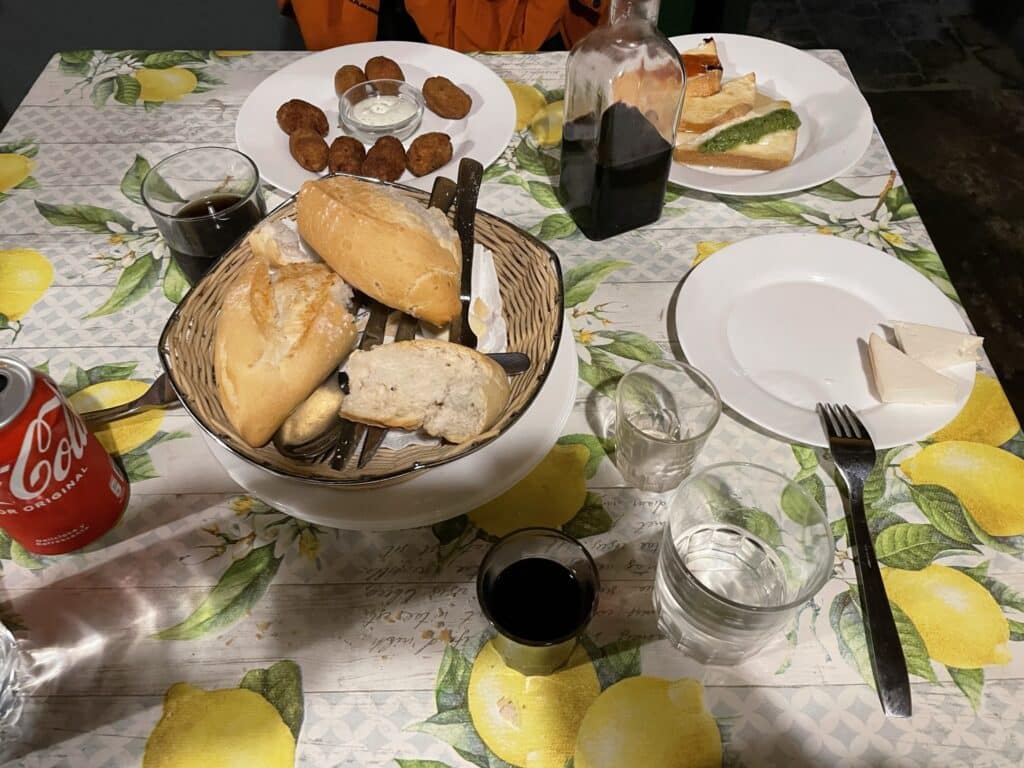
    Eating like a local in Tenerife

    Some free appetizers in a guachince

    3. Quiet places in Spain: La Seu d’Urgell, Catalonia

    • Setting: Pyrenean valley town near Andorra border
    • Population: Around 12,000 but maintains quiet mountain atmosphere
    • Perfect For: Cathedral visits, mountain hiking, peaceful retreat

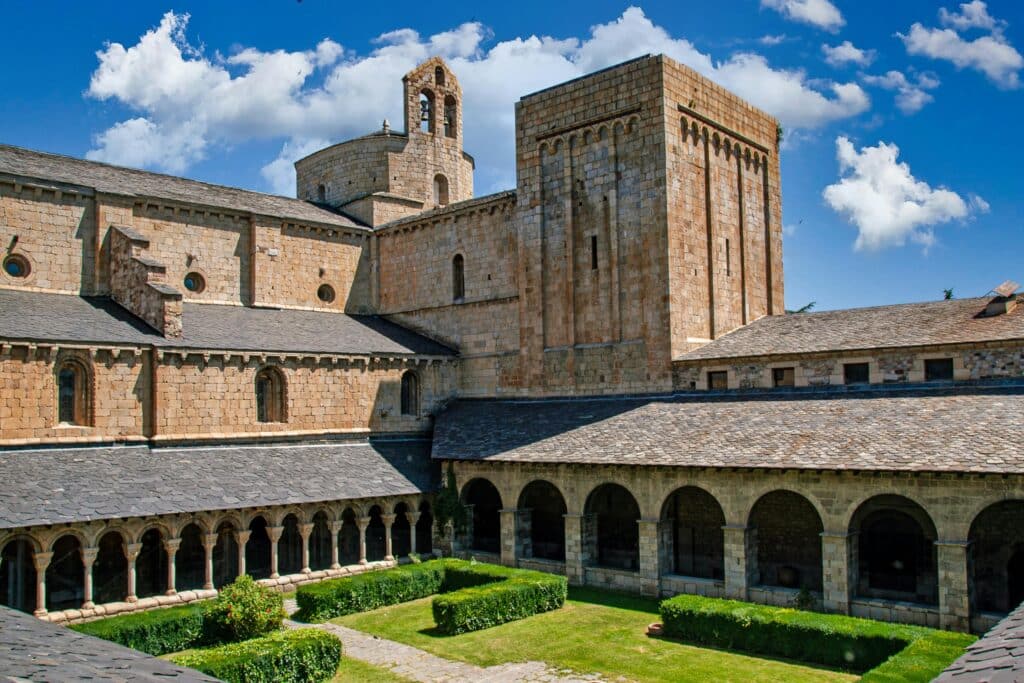
    Nestled in a Pyrenean valley near the Andorran border, La Seu d’Urgell combines architectural splendor with mountain tranquility. The town’s magnificent Romanesque cathedral, one of Catalonia’s finest, dominates the skyline and provides a focal point for this peaceful mountain community.

    The cathedral, with its distinctive twin towers and beautiful cloister, houses important medieval manuscripts and religious art. But beyond its architectural treasures, La Seu d’Urgell offers a genuinely relaxed atmosphere where locals still gather in traditional cafés and the pace of life follows mountain rhythms.

    Surrounding hiking trails lead into the high Pyrenees, making this an ideal base for exploring Aigüestortes National Park or simply enjoying riverside walks along the Segre River. The weekly market brings local produce and crafts, while the town’s thermal springs provide additional relaxation opportunities.

    best destinations in spain la seu d urgell

    4. Quiet places in Spain:  Zumaia, Basque Country

    • Setting: Coastal town famous for dramatic geological formations
    • Population: Around 9,000 residents
    • Perfect For: Geology enthusiasts, coastal walks, peaceful seaside retreat

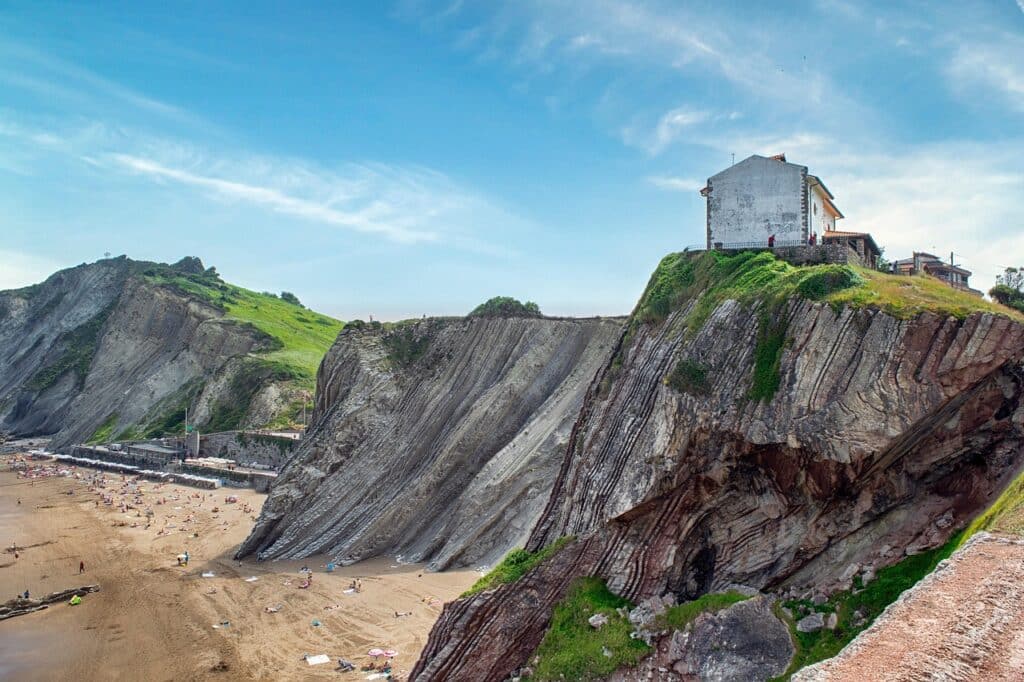
    Zumaia gained international fame as a Game of Thrones filming location, but this small Basque coastal town offers much more than cinematic beauty. The dramatic flysch formations – layers of rock that tell millions of years of Earth’s history – create one of Europe’s most spectacular coastlines.

    Beyond the geological wonder, Zumaia maintains the authentic charm of a working Basque fishing port. The old town clusters around the Gothic church of San Pedro, while traditional pintxos bars serve fresh seafood and local Txakoli wine. The atmosphere remains genuinely local, with fishing boats still working from the small harbor.

    Coastal walks along the GR-121 trail reveal hidden coves, dramatic cliff formations, and sweeping ocean views. The town’s two beaches – Itzurun and Santiago – provide peaceful spots for contemplation, especially outside the brief summer season when the dramatic Basque coastline reveals its most peaceful character.

    Zoumaia - a really magical place in the Basue Country

    5. Quiet places in Spain: Trevélez, Andalusia

    • Setting: Highest village in mainland Spain (1,486m) in Sierra Nevada
    • Population: Around 800 residents
    • Perfect For: Mountain hiking, altitude retreat, traditional mountain culture

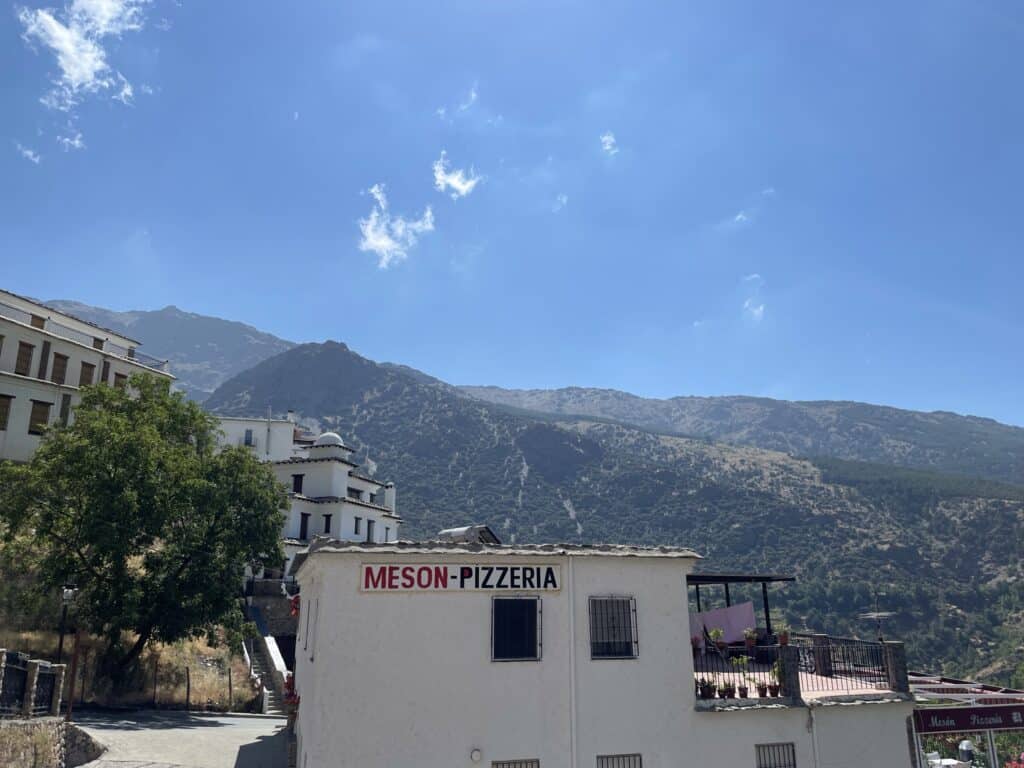
    At 1,486 meters above sea level, Trevélez holds the distinction of being mainland Spain’s highest village. Perched dramatically on the southern slopes of the Sierra Nevada, this whitewashed Alpujarran village offers pure mountain air, stunning alpine views, and a pace of life dictated by centuries-old traditions.

    The village is famous throughout Spain for its jamón serrano, cured in the clean mountain air at this altitude. But beyond its culinary reputation, Trevélez provides an excellent base for exploring the Sierra Nevada’s hiking trails, including routes to Mulhacén, mainland Spain’s highest peak.

    The village itself invites peaceful exploration with its narrow streets, traditional architecture, and mountain vistas. Local workshops still produce traditional crafts, while village bars serve hearty mountain food. The thin air and dramatic setting create a sense of being removed from the modern world, making Trevélez perfect for those seeking genuine mountain tranquility.

    Trevelez

    Don’t eat pizza in Trevélez though, eat JAMON! Or eat pizza with JAMON!

    Best destinations in Spain: Historical Places to Visit

    1. Historical places to visit in Spain: Granada, Andalusia

    • Historical Period: Nasrid Kingdom (13th-15th century
    • UNESCO Status: Alhambra and Generalife World Heritage Site
    • Must-See Features: Alhambra complex, Nasrid Palaces, Generalife gardens

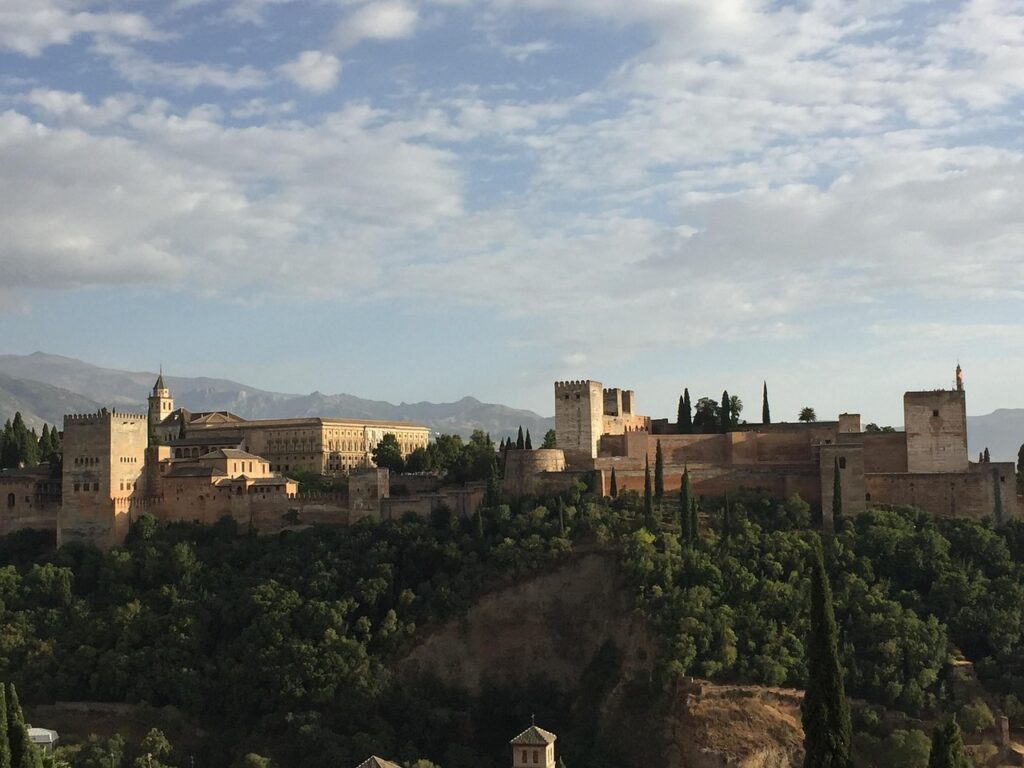
    Granada represents the final chapter of eight centuries of Muslim rule in Spain. The Alhambra palace complex stands as perhaps Europe’s finest example of Islamic architecture, with intricate geometric patterns, peaceful courtyards, and gardens that represent paradise on earth.

    The Albaicín neighborhood, with its narrow streets and traditional carmenes (houses with gardens), preserves the atmosphere of medieval Al-Andalus.

    best-destinations-in-spain-alhambra

    2. Historical places to visit in Spain: Madrid and surroundings

    • Historical Period: Habsburg and Bourbon dynasties, Golden Age
    • UNESCO Status: Multiple protected sites
    • Must-See Features: Prado Museum, Royal Palace, historic neighborhoods, Toledo city

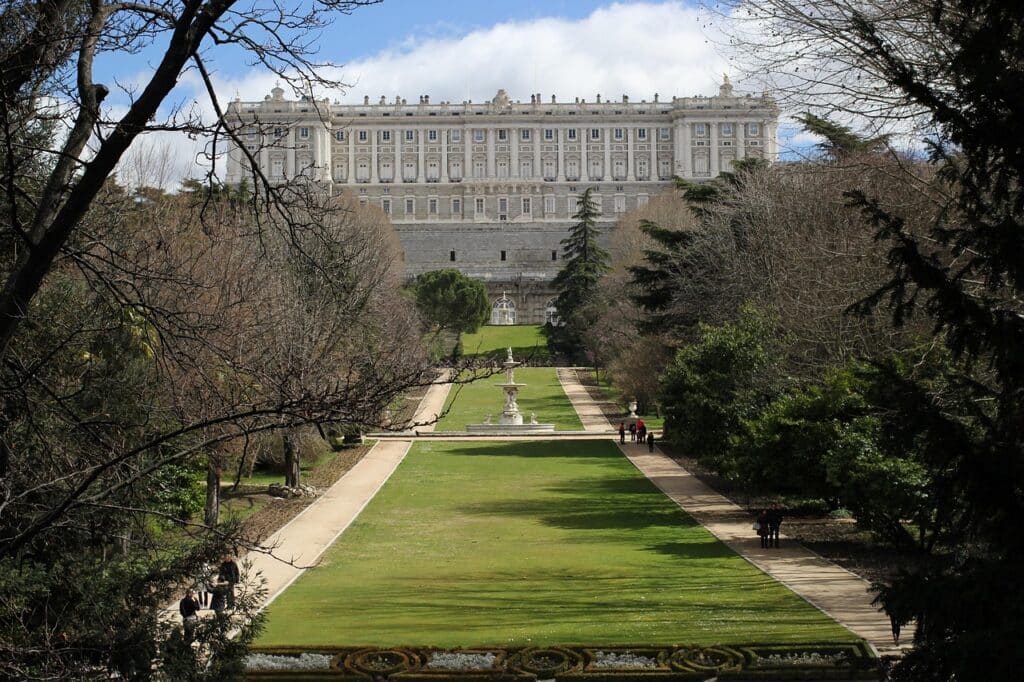
    Spain’s capital showcases centuries of imperial history through world-class museums, royal palaces, and atmospheric neighborhoods. The Golden Triangle of Art – Prado, Reina Sofía, and Thyssen-Bornemisza museums – houses masterpieces by Velázquez, Goya, Picasso, and other Spanish masters.

    The Royal Palace, with over 3,000 rooms, represents European royal grandeur at its peak. Habsburg Madrid, centered around Plaza Mayor and the labyrinthine streets of La Latina, preserves the character of Spain’s Golden Age capital.

    From Madrid you can also do a 1 day trip to the medieval city of Toledo. You can check more information about Toledo in one of my articles.

    best-destinations-in-spain-royal-palace-madrid

    3. Historical places to visit in Spain: Bilbao, Basque Country

    • Historical Period: Industrial revolution to contemporary cultural renaissance
    • UNESCO Status: Various protected industrial heritage sites
    • Must-See Features: Guggenheim Museum, Casco Viejo, industrial heritage

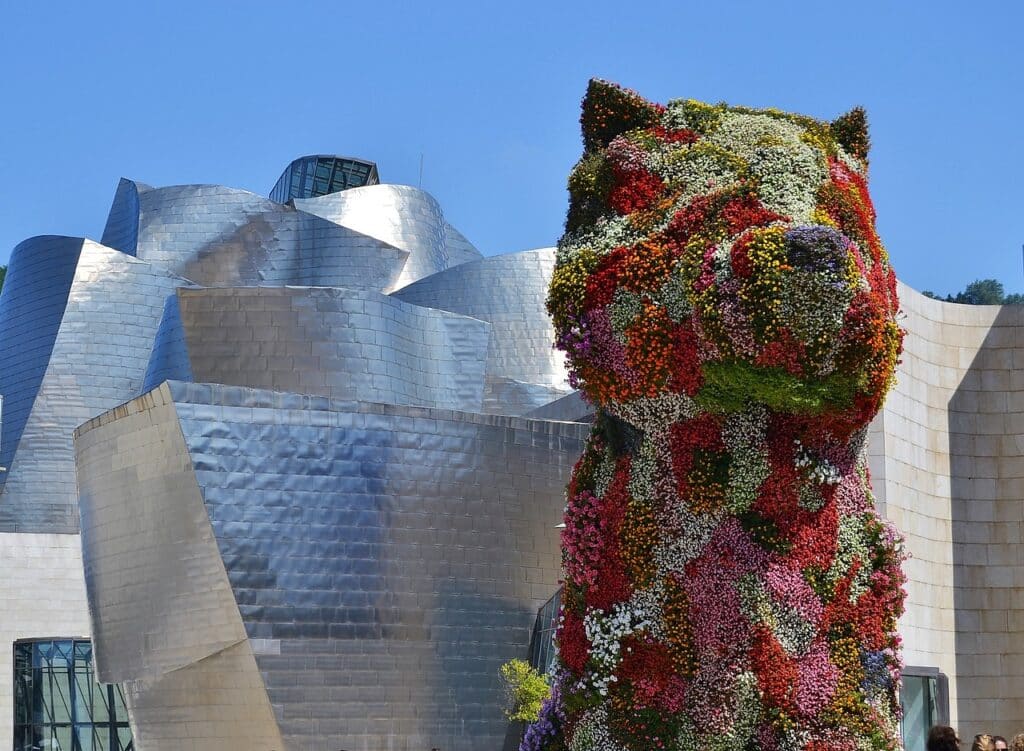
    Bilbao exemplifies successful urban transformation from industrial port to cultural capital. The titanium-clad Guggenheim Museum revolutionized the city’s image, but the historic Casco Viejo (Old Quarter) preserves centuries of Basque culture and tradition.

    The city’s remarkable transformation showcases how industrial heritage can coexist with cutting-edge architecture and world-renowned gastronomy.

    best-destinations-in-spain-bilbao

    4. Historical places to visit in Spain: Zaragoza, Aragon

    • Historical Period: Roman, Moorish, Christian (multi-layered history)
    • UNESCO Status: Mudéjar Architecture World Heritage Site
    • Must-See Features: Basilica del Pilar, Aljafería Palace, Roman walls

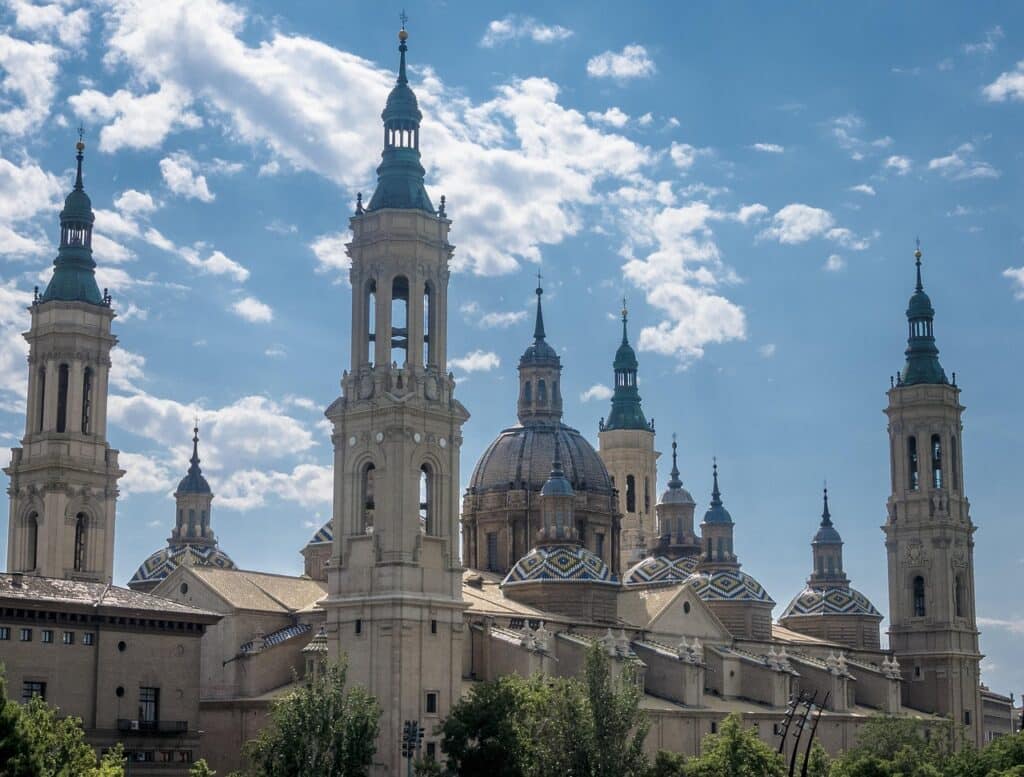
    Zaragoza reveals 2,000 years of continuous occupation through Roman walls, Moorish palaces, and Christian basilicas. The Basilica del Pilar, one of Spain’s most important pilgrimage sites, dominates the Ebro River skyline.

    The Aljafería Palace showcases exquisite Moorish architecture, while Roman Caesaraugusta remains visible throughout the modern city.

    best-destinations-in-spain-zaragoza-aragon

    5. Historical places to visit in Spain: Girona, Catalonia

    • Historical Period: Roman, medieval, Jewish heritage
    • UNESCO Status: Various protected medieval sites
    • Must-See Features: Jewish Quarter, colorful riverside houses, medieval walls

    Girona’s perfectly preserved medieval center includes one of Europe’s best-preserved Jewish quarters. The colorful houses along the Onyar River create one of Spain’s most photographed scenes, while the cathedral’s Gothic nave is among the world’s widest.

    Game of Thrones filming brought international attention, but Girona’s medieval charm and excellent gastronomy scene ensure lasting appeal.

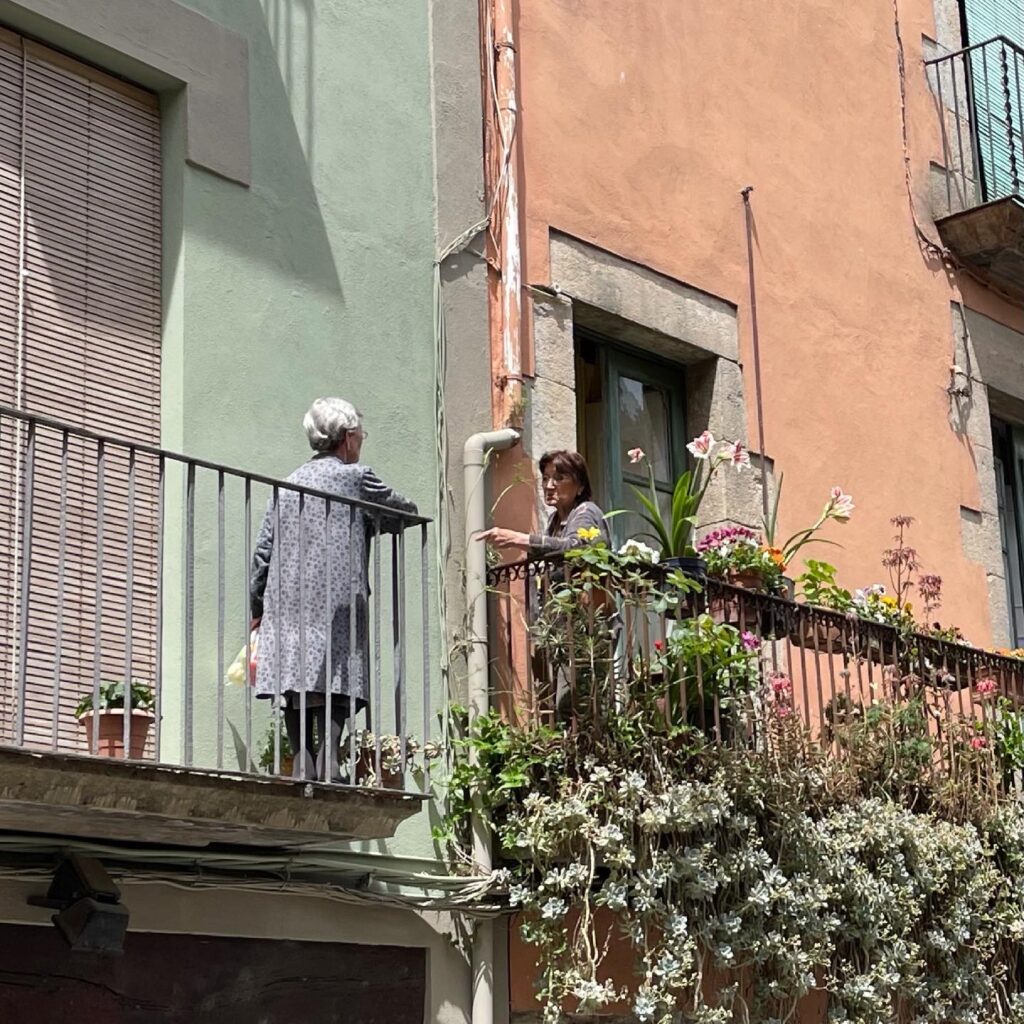
    ladies-chatting-in-girona-spain

    – not the typical Girona photo, focused on historical heritage, but I hope it is giving a vibe –

    Best destinations in Spain: Hidden Gems

    1. Hidden gems in Spain: Güímar, Tenerife

    • What Makes It Special: Mysterious step pyramids and astronomical phenomena
    • Crowd Level: Locals and curious travelers, no mass tourism
    • Best For: History buffs and mystery enthusiasts

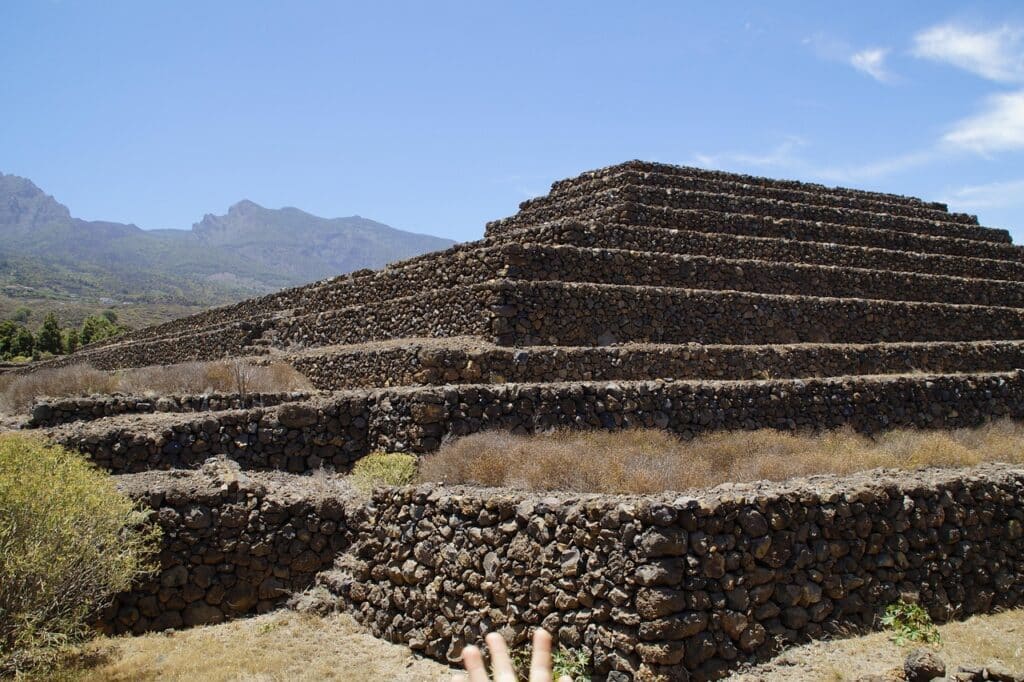
    The Güímar Pyramids remain one of Spain’s most intriguing mysteries. These six step pyramids, built from volcanic stone without mortar, puzzled researchers until Norwegian explorer Thor Heyerdahl studied them in the 1990s. His research suggested possible astronomical alignments and transoceanic cultural connections.

    The Ethnographic Park now surrounding the pyramids explores various theories about their origin and purpose, while botanical gardens showcase plants from around the world.

    hidden-gems-in-spain-guimar-tenerife

    2. Hidden gems in Spain: Torla-Ordesa, Aragon

    • What Makes It Special: Gateway to Ordesa y Monte Perdido National Park
    • Crowd Level: Nature lovers but not overcrowded
    • Best For: Serious hikers and nature photographers

    This traditional Pyrenean village provides access to one of Spain’s most spectacular national parks. Ordesa y Monte Perdido offers dramatic limestone canyons, cascading waterfalls, and some of Europe’s most challenging mountain hiking.

    The village itself preserves traditional Aragonese architecture with stone houses and slate roofs, while serving as base camp for serious mountain adventures

    hidden-gems-in-spain-torla-ordesa

    3. Hidden gems in Spain: Ebro Delta, Catalonia

    • What Makes It Special: Spain’s largest wetland with unique ecosystem
    • Crowd Level: Birdwatchers and nature enthusiasts mainly
    • Best For: Birdwatching, beach camping , eco-tourism

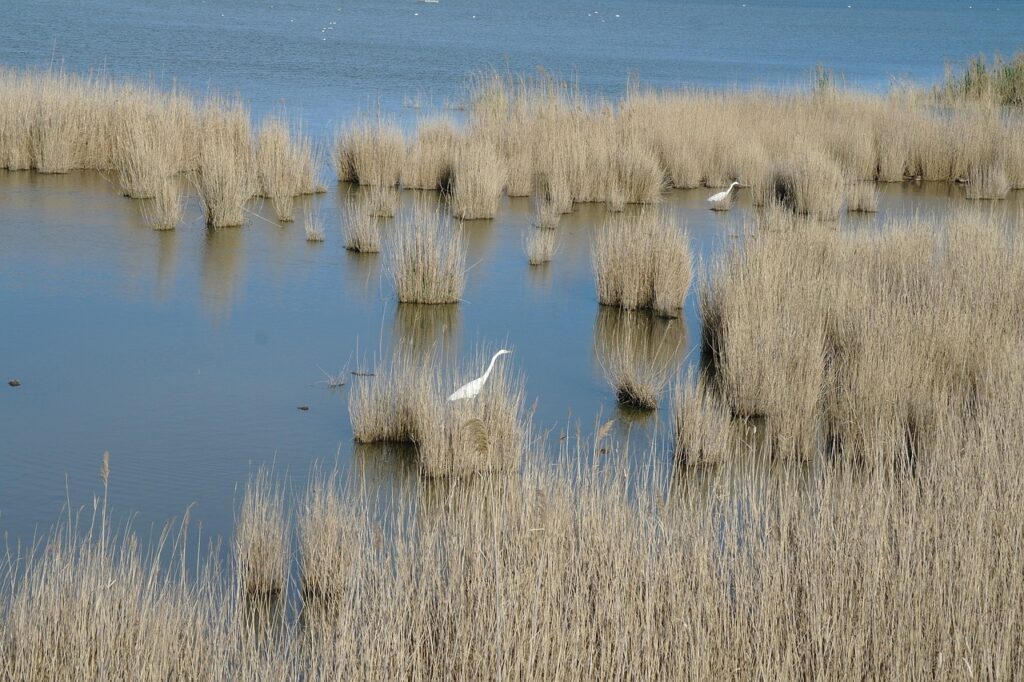
    Spain’s largest wetland creates a unique landscape of rice fields, lagoons, and salt flats. Over 300 bird species, including flamingos, make this a premier birdwatching destination, while traditional fishing and rice cultivation continue centuries-old practices.

    The delta’s flat landscape and endless sky create a sense of infinite space rarely found in crowded Spain

    hidden-gems-in-spain-ebro-delta

    4. Hidden gems in Spain: Tabernas, Andalusia

    • What Makes It Special: Europe’s only desert with Wild West film sets
    • Crowd Level: Day-trippers and Western movie fans
    • Best For: Unique landscapes and film history enthusiast

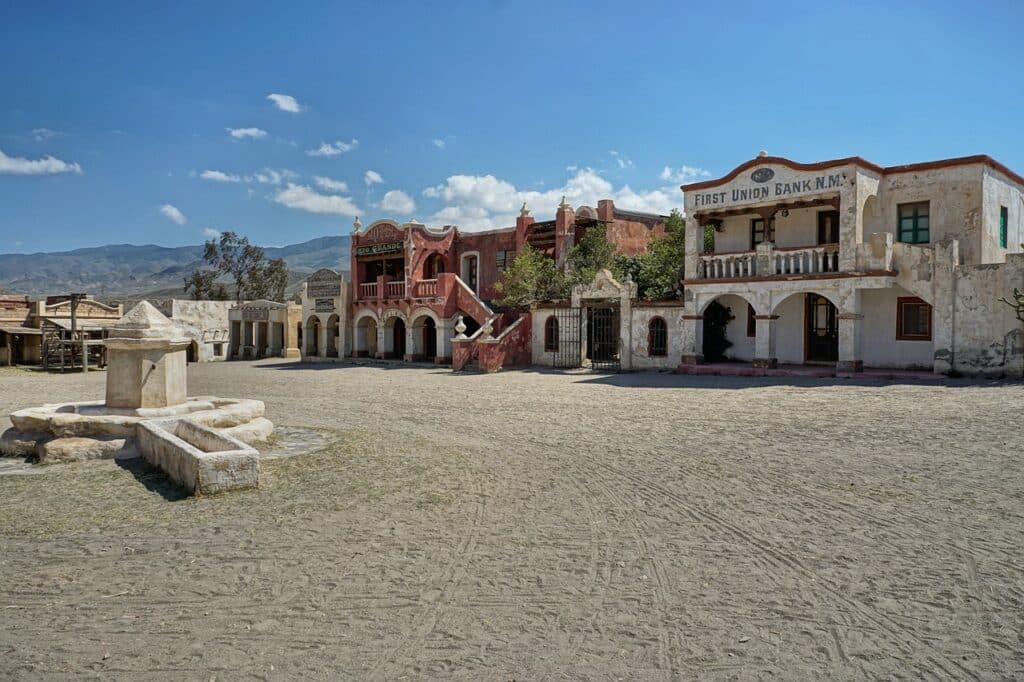
    Europe’s only true desert provided the backdrop for countless spaghetti westerns, including many Clint Eastwood films. The lunar landscape, complete with film sets and ghost towns, creates a uniquely European Wild West experience. You can also experiment thematic parks on this theme.

    The desert’s harsh beauty and film history make it unlike anywhere else in Spain.

    hidden-gems-in-spain-tabernas-hollywood

    5. Hidden gems in Spain: Cadaqués, Catalonia

    • What Makes It Special: Salvador Dalí’s coastal village and artistic inspiration
    • Crowd Level: Art lovers and sophisticated travelers
    • Best For: Art enthusiasts and Mediterranean charm seekers

    This pristine Mediterranean fishing village inspired Salvador Dalí throughout his career. His house-museum at nearby Port Lligat reveals intimate details of the artist’s life, while the village itself maintains the timeless beauty that attracted him.

    White-washed houses, crystal-clear waters, and artistic heritage create a sophisticated coastal retreat.

    Even though only Cadaques made it for this top, the whole Costa Brava has plenty of interesting destinations to offer. You can read more about this in my article about the best places in Costa Brava.

    hidden-gems-in-spain-cadaques-costa-brava

    Best destinations in Spain: Best Places in Spain for Nightlife

    1. Best Places in Spain for nightlife: Ibiza

    • Nightlife Type: World-class superclubs and beach parties
    • Peak Hours: Midnight to 8 AM, peak season June-September
    • Neighborhood: San Antonio for sunset bars, Ibiza Town for clubs

    Ibiza reigns as the world’s undisputed party capital. Legendary venues like Pacha, Amnesia, and Ushuaïa host world-renowned DJs throughout the summer season. The island’s unique combination of beautiful beaches, stunning sunsets, and unparalleled club culture creates an unmatched party atmosphere.

    Beyond the superclubs, beach bars, boat parties, and after-hours venues ensure the party never stops during peak season.

    best-places-in-spain-for-nightlife-ibiza

    2. Best places in Spain for nightlife: Lloret de Mar, Catalonia

    • Nightlife Type: Budget-friendly party destination and beach clubs
    • Peak Hours: 10 PM to 4 AM, busy April-October
    • Neighborhood: Central beach area and Carrer Sant Pere

    Lloret de Mar offers accessible partying for younger crowds and budget travelers. The central beach area transforms into party central each evening, with numerous bars, clubs, and beach venues catering to international visitors.

    While less sophisticated than other destinations, Lloret provides energetic nightlife at affordable prices along the beautiful Costa Brava.

    best-places-in-spain-for-nightlife-lloret-del-mar

    3. Best places in Spain for nightlife: Barcelona, Catalonia

    • Nightlife Type: Sophisticated clubs, rooftop bars, and cultural nightlife
    • Peak Hours: Midnight to 6 AM, year-round scene
    • Neighborhood: El Born, Gràcia, Barceloneta for beach clubs

    Barcelona combines world-class clubbing with cultural sophistication. From underground venues in El Born to beachfront clubs in Barceloneta, the city offers diverse nightlife experiences. Late-night tapas culture, rooftop bars with city views, and historic venues in the Gothic Quarter create a uniquely Barcelona night scene.

    The city’s cultural calendar ensures year-round nightlife beyond the typical party season. More than these, almost each neighbourhood in Barcelona, organizes its own “fiestas”. A 3-4 days long party, with music, drinks, costumes, fireworks and carnival-like floats.

    If you are interested in reading more about Barcelona you can get some ideas from my article about Barcelona.

    4. Best places in Spain for nightlife: Playa de las Américas, Tenerife

    • Nightlife Type: Year-round party destination with international atmosphere
    •  Peak Hours: 11 PM to 5 AM, peak winter months
    • Neighborhood: Veronica’s Strip and surrounding resort areas

    Tenerife’s party capital offers year-round clubbing in perpetual sunshine. The famous Veronicas Strip concentrates dozens of bars and clubs in a compact area, while surrounding resorts provide additional venues.

    The winter season attracts European partygoers escaping cold weather, creating a unique warm-weather party destination.

    best-placces-in-spain-for-nightlife-tenerife

    5. Best places in Spain for nightlife: San Sebastián, Basque Country

    • Nightlife Type: Sophisticated pintxos crawls and upscale nightlife
    • Peak Hours: 9 PM for pintxos, midnight for bars/clubs
    • Neighborhood: Parte Vieja (Old Town) for pintxos, Gros for modern venue

    San Sebastián elevates nightlife to an art form through its legendary pintxos culture. The Parte Vieja (Old Town) offers sophisticated bar-hopping experiences where world-class cuisine meets social drinking.

    Beyond pintxos bars, the city provides upscale clubs and venues that attract a sophisticated crowd seeking refined nighttime entertainment.

    best-places-in-spain-san-sebastian

    Planning Your Spanish Adventure

    Each of these 20 destinations offers unique experiences that showcase Spain’s incredible diversity. From mountain tranquility to desert adventures, from royal palaces to party beaches, Spain provides authentic experiences for every type of traveler.

    Consider combining destinations from different categories to create a well-rounded Spanish adventure that includes cultural immersion, natural beauty, and vibrant nightlife. The country’s excellent transportation network makes multi-destination trips practical and rewarding.

    Spain rewards travelers who venture beyond the obvious choices with authentic experiences, warm hospitality, and memories that last a lifetime.

    Conclusion

    The beauty of choosing among the best destinations in Spain lies in having options that perfectly match your travel personality and current mood. If you crave peace and authentic mountain culture, these quiet places in Spain like Siurana’s cliff-top tranquility or Trevélez’s high-altitude serenity offer profound quiet away from tourist crowds. For those energized by vibrant social scenes, the best places in Spain for nightlife – from Ibiza’s legendary superclubs to Barcelona’s sophisticated bar scene – provide endless excitement and cultural immersion.

    History enthusiasts can explore the historical places to visit in Spain through Granada’s Moorish palaces, Madrid’s imperial grandeur, or Girona’s perfectly preserved medieval streets. Meanwhile, adventure seekers drawn to unique experiences will discover Spain’s hidden gems in Spain – from the mysterious Güímar Pyramids to Europe’s only desert in Tabernas – offering discoveries that most visitors never encounter.

    When deciding where to go in Spain, you might start your morning exploring Roman walls in Zaragoza, spend your afternoon hiking through the Pyrenees near Torla-Ordesa, and end your evening sampling world-class pintxos in San Sebastián’s sophisticated bars. Or you could choose the opposite approach – dedicating your entire trip to mountain solitude in places like La Seu d’Urgell or North Tenerife’s authentic villages.

    The accompanying infographic reveals the tourist density of each destination, helping you choose based on whether you thrive in popular, well-serviced locations or prefer more secluded, authentic experiences. Some travelers seek the energy of crowds and established infrastructure, while others find their perfect Spain in villages with fewer than 30 residents.

    Whatever draws you to Spain – whether it’s the call of ancient history, the promise of mountain peace, the allure of undiscovered places, or the pulse of legendary nightlife – these twenty destinations ensure your Spanish adventure matches exactly what your travel soul is seeking.

    best-places-in-spain

    Have you visited any of these incredible Spanish destinations? We’d love to hear about your experiences! Share your travel stories, photos, and hidden discoveries with us on Instagram, or reach out with questions about planning your perfect Spanish getaway. And do not hesitate to read more of my articles for inspiration, or reach out for help.

  • The Most Densely Populated Island in the World: 1 Hectare of Unforgettable, Literally Breathtaking Crowds [2026]

    The Most Densely Populated Island in the World: 1 Hectare of Unforgettable, Literally Breathtaking Crowds [2026]

    Introduction

    The Most Densely Populated Island in the World, right? If you had asked me where the most densely populated island in the world was, I would’ve guessed India, maybe China—somewhere known for impossible crowds and megacities stretching beyond the horizon. But no. It’s here, tucked quietly into the Caribbean Sea, off the coast of Colombia.

    It felt almost absurd. The idea of that kind of human density—more than a thousand people squeezed into 1 hectare—in the middle of a tropical postcard. I knew instantly: I had to see it. It wasn’t curiosity. It was compulsion. How could something so extreme be sitting so quietly just off the tourist path? And so the plan was set. A little salt, a lot of sun, and a visit to the mysterious island: Santa Cruz del Islote.

    I wasn’t exactly looking for comfort—I just didn’t expect it to be this hard to find. The journey from Cartagena de Indias to the Archipelago of San Bernardo is long, hot, and wet in all the wrong ways. But somewhere beyond the horizon, among a constellation of tiny Caribbean islands – Archipelago San Bernardo, was a place I couldn’t stop thinking about: Santa Cruz del Islote, the most densely populated island in the world.

    Three hours by speedboat might not sound like much—until you’re actually in it. The sea between Cartagena and the Archipelago San Bernardo isn’t particularly gentle. There’s no shade. No snacks. Just salt, sun, and the occasional existential thought. But I held on, chasing a place my curiosity only whispered about: Santa Cruz del Islote, the most densely populated island in the world.

    What I found was… a lot. Houses layered like bricks in a Jenga tower. Kids everywhere. Roosters. Concrete. Life packed tighter than I thought possible. The heat and the smell made me think more of India—alive, overwhelming, and unapologetic. It was both fascinating and claustrophobic, beautiful and uncomfortable. But that’s only part of the story.
    Because beyond the noise, beyond the crush of bodies and buildings, something unexpected happened in my interior universe.

    Towards San Bernardo: Waves, Wind, and a Salsa-Dancing Captain

    We left at the crack of dawn. I had already been in Cartagena de Indias for a few days—my second time in the city—so I knew my way around. Reaching the port was just a formality. I’d booked this trip to the Archipelago of San Bernardo through a local company I trust, and the price was surprisingly low considering the distance we had to cover by boat—around 30 to 40 U.S. dollars, paid in Colombian pesos.

    At the small tourist port, a group of about 15 to 20 of us gathered—mostly Colombian travelers—and we climbed into a small, fast boat that looked more ready for a lake than the open sea. Our captain, somehow wide awake and dancing before sunrise, greeted us with loud salsa music and the kind of cheerfulness that either lifts your spirits or makes you deeply suspicious. He was clearly in his element—smiling, bobbing to the rhythm, shouting jokes over the motor, as if we weren’t about to be flung across open sea for hours.

    What followed was nearly three hours of not-so-smooth sailing toward the Archipelago of San Bernardo. The wind was strong, the sea was loud, and the boat seemed to bounce more than it floated. Slowly, the imposing skyline of Cartagena’s Bocagrande district—those tall, shiny towers—shrunk behind us, swallowed by the horizon and replaced by nothing but blue. Blue sky, blue water, and the unknown.

    The San Bernardo Archipelago: A Hidden Tropical Paradise

    After a few hours of being tossed around like luggage in a speedboat, we made our first stop: Isla Palma. One of the larger islands in the Archipelago of San Bernardo, it’s home to a kind of rustic resort—nothing flashy, but with a beautiful beach and just enough structure to feel semi-civilized.

    Most of the passengers got off here, ready to spend a few days in this quiet corner of the Caribbean. I stayed just long enough to crack open a cold beer, feel solid ground under my feet again, and sink into a shady lounge chair.

    The beach was lovely—white sand, clear water, and a laid-back calm that felt almost untouched. The setup was simple, modest, and refreshingly free of excess. No extravagance, no all-inclusive buffet chaos. Just the basics, done right. A tropical escape that hadn’t yet been swallowed by mass tourism.

    Soft Latin music played in the background, the hotel staff laughed and moved slowly, with the kind of ease that only comes from living in constant heat. Two lonely, sunburned trees stood guard over a supply boat, trying their best to shade it from the 40-degree Celsius inferno—so it wouldn’t turn from a delivery vessel into a boiling pot of tropical stew.

    Paradise beach situated in the Archipelago San Bernardo, Colombia

    My brief moment of rest was coming to an end—slowly but surely—and the journey had to continue. The plan for the day was ambitious: visit Santa Cruz del Islote, the most densely populated island in the world, then have lunch and a swim in the turquoise waters of a private island.

    Now, when you hear “private island,” your mind probably goes straight to billionaires and royals, champagne on the beach, and helicopters waiting nearby. I’ll admit, that idea made me a little uneasy at first—it didn’t exactly sound like my scene. But after my stop on Isla Palma, I started to get a better sense of the kind of “luxury” this trip had to offer. And funnily enough, it turned out to be exactly my scene.

    The speedboat that had delivered us to this point—while not exactly new or graceful—had one big thing going for it: a tarp roof that offered at least some protection from the merciless sun. And when I say merciless, I mean it. The day I went, even locals were sweating like it was a punishment. Around 42°C at noon, with over 80% humidity. Think sauna, but outdoors, and with no escape.

    I quickly realized the speedboat wasn’t coming back. And so we greeted our next mode of transport with a mix of enthusiasm and mild panic: a tiny fishing boat, the kind that looks like it’s more used to hauling nets than carrying tourists. There were six of us, crammed in tight. The captain—an actual fisherman who had just wrapped up his morning catch—pulled up to the pier and began clearing out buckets, fish, and equipment to make space for us.

    Once his cargo was safely dropped off at the resort, he motioned us aboard. We were headed—slowly, humbly, and a little too closely—to one of the most surreal destinations in the Caribbean: Santa Cruz del Islote, the most densely populated island in the world.

    Fisherman from Archipelago San Bernardo, Colombia

    The Most Densely Populated Island in the World: Santa Cruz del Islote

    We’d been drifting for about 15 minutes in that tiny fishing boat, winding our way between the tiny Colombian islands scattered across the sea. It was midday, and the sun was—no exaggeration—unbearable. The last weather check had shown over 41°C, and it felt every degree of it. There was no land in sight anymore—just endless blue—and ironically, though I was in the middle of the ocean, a strange, claustrophobic panic started to creep in.

    All I could think about was: What happens if this little boat gives up on us right here? It didn’t exactly scream “open-sea-worthy.” We were bobbing in open water, in over 40-degree heat, no cell signal, no shade, no drinking water. I was already mentally preparing for survival mode. And then, as if summoned by the Laws of Murphy, the engine gave out. I didn’t panic. I didn’t even flinch. I’d already lived this moment in my head. My palms had toughened into imaginary oars. I was ready to row if needed.

    Luckily, the fisherman was a professional. He tinkered with the motor for less than ten minutes—cool, calm, and entirely unbothered—then gave us the nod. We were back in motion. About twenty minutes later, something odd began to appear on the horizon: a strange shape, like a smudge on the sea. A tiny scrap of land, seemingly tossed carelessly into the middle of the Caribbean. It looked like an anomaly, a glitch in the landscape—a sliver of concrete and tin, rising out of nowhere, ringed by what looked like a shield of floating debris.

    We were almost there: Santa Cruz del Islote, the most densely populated island in the world. It was surreal. Like someone had taken a favela from Rio de Janeiro, shrunk it down, and dropped it smack in the middle of the ocean.

    We approached the small wooden dock, gently bobbing with the waves, and stepped off the boat beside a tiny, welcoming bar. Built from uneven planks and topped with a roof of dried palm leaves, it had a handmade charm—simple, but full of character. Locals gathered under its shade, sharing music and conversation in a calm, friendly atmosphere that immediately set the tone of the island: community-first, warm, and unhurried.

    But what I noticed first wasn’t the bar—it was the strong smell that hung in the air. With so many people living in such a small space, and the midday sun pressing down at over 40°C, the scent of life—waste, sea, heat—was hard to ignore. It was intense, and it stayed with you. I’m not sure if this is always the case, but at that moment, it felt like a challenge to the senses.

    Our group was welcomed right away by a smiling man who radiated friendliness. He introduced himself as Señor Gusto, the island’s guide. Shorter in height, solidly built, and with a few visible physical disabilities, he carried himself with quiet confidence and pride. He seemed genuinely happy to share his home with visitors.

    Arriving on Santa Cruz del Islote, the most densely populated island in the World

    He first brought us to the island’s aquarium—a small, handmade pool where a few species of local marine life are kept: stingrays, small sharks, and colorful fish. Visitors can even swim with them for a small fee. I chose not to join in—not out of fear, but because I wasn’t sure about the cleanliness of the water. Maybe I was being cautious, but the heat and scent had made me more sensitive to these things.

    From there, we began our walking tour of the island, which measures around 200 meters in length and 100 in width. And yet, those few square meters are home to a thriving, tightly knit community.

    The narrow pathways were alive with energy. Children played soccer in every open space. Women chatted or did laundry near their homes. In one corner, a group of men shared a bottle of rum and laughed over music playing from a speaker. Despite the crowded conditions and the challenging climate, life here moved with rhythm and resilience.

    Santa Cruz del Islote isn’t a place filled with typical tourist attractions. It’s home. You’ll find colorful murals, a small church, a school, a shop, and a large water tank—crucial, because freshwater must be delivered by boat from nearby Isla Tintipán. There’s not a lot of space, but there’s a whole world of daily life unfolding here, rich with dignity, creativity, and community spirit.

    Tales from the tiny Caribbean islands

    Mr. Gusto had more than a few stories to tell. As we wandered the narrow paths of Santa Cruz del Islote, the most densely populated island in the world, he began painting a broader picture of the Archipelago of San Bernardo—a constellation of tiny Caribbean islands, some inhabited, others left to the birds and the sea. Located among the Colombian islands near Cartagena, this archipelago has long depended on one thing for survival: fishing.

    That’s when he told us how he lost his hands—not in a shark accident, as my imagination first jumped to, but in a fishing mishap. When he was just ten years old, he went out to sea with his father. They were fishing with dynamite, and it exploded in his hands. Yes, dynamite. At ten years old. As surreal as that sounds, it’s not the only adrenaline-fueled activity on the island. He also mentioned the controversial, and technically illegal, cockfighting matches held here. With few alternatives for entertainment, this tradition has persisted, though it’s not without its critics.

    But what truly stayed with me was the story of the island itself. Santa Cruz del Islote didn’t exist in its current form until the 1860s. Originally, it was just a sliver of land—a safe haven where fishermen from nearby tiny Caribbean islands could take shelter during storms, protected by a coral reef. Over time, they began to expand the island, adding everything they could find: coconut husks, logs, seashells, debris, and yes, even garbage. It’s a partially artificial island, born of necessity and persistence.

    Back then, it didn’t even have a name. But legend has it that a wooden cross washed ashore one day, and from that moment, it became known as Santa Cruz del Islote. Over the decades, some residents moved to nearby islands like Tintipán and Múcura, while others stayed, slowly building a tight-knit, overgrown village on the sea. Today, the island has a school (which even children from other Colombian islands near Cartagena attend), a local council formed in 2013, and since 2020, access to the internet.

    I wouldn’t call it the most beautiful place I’ve ever visited. But it’s certainly one of the most extraordinary, a place with a soul, a history, and a rhythm all its own.

    I, too, once fished with dynamite…


    Every time I longed for something,
    I wanted more, wanted it easier, faster.
    Instead of being a better fisherman.
    I dreamed of blowing the sea wide open.
    One day, the thought came to me—
    “Why not fish with dynamite?”
    Lucky me, it blew up in my hands—
    before it could shatter the reef,
    that silent wall holding back the deadly waves,
    the only thing standing between me and disaster.

    Luxury through simplicity in Archipelago of San Bernardo

    We left Santa Cruz del Islote the same way we came—rocking gently in the small fisherman’s boat, its wooden frame creaking as it cut through the water. As the island faded behind us, I turned for one last look. From a distance, it looked like a floating village stitched together from stories and cement, clinging to the sea like it refused to be forgotten.

    Just as we drifted away, I noticed the fisherman pull something from a net with practiced ease: a large, bright-red lobster, still writhing. I asked how much. “50 000 pesos” he said, with a shrug. Around 12 dollars for the freshest seafood imaginable—less a transaction, more a passing of good fortune between strangers.

    We weren’t headed back to the mainland just yet. Our next stop was what the locals called a “private island”—a phrase that sounds like luxury, but here simply means quieter, emptier, untouched. On the way, we passed a scatter of floating houses and makeshift bars resting gently on the water. They looked like dreams suspended between sky and sea—shacks on stilts painted in faded blues and yellows, pulsing with slow music and slow life. I couldn’t stop staring. It was all so simple, so barebones—and so beautiful.

    When we docked, the island revealed itself for what it was: a quiet stretch of sand, hammocks swinging lazily between palms, and a small outdoor kitchen tucked under a thatched roof. It wasn’t much, but it didn’t need to be. The sea did the rest.

    The fishermen got to work right away. In that humble kitchen, they grilled the lobster over open flames, serving it with rice and crispy patacones—slices of fried plantain, golden and salty. I ate with my hands, sitting barefoot at a plastic table in the shade, the ocean breeze cutting through the midday heat.

    That meal wasn’t fancy, but it was unforgettable. The lobster was smoky and sweet, the rice fluffy, the patacones crunchy and perfect. Everything tasted like the day itself—wild, warm, and generous in ways I didn’t expect.

    Party house on the Caribbean, in Archipelago San Bernardo Colombia

    The Long Ride Home (and a Bit of Salt in the Wounds)

    The return to Cartagena was… something else. If the way out had been rough, the way back was a battle. This time, we were riding against the wavesthree solid hours of white-knuckle grip, trying not to be tossed into the Caribbean. The sea, once playful and warm, had turned into a relentless force, slapping the boat with every surge like it had something personal against us.

    By the time we reached the coast, my arms felt like they’d wrestled Poseidon himself. Two days later, I still had muscular fever. It hurt to lift my backpack, to hold a cup of coffee—hell, it hurt to breathe too deeply. My body had taken the brunt of the ocean’s mood, and it wasn’t shy about reminding me.

    As if the ride wasn’t enough of an experience, there was also the Venezuelan guy on board. You know the type—shirt unbuttoned, sunglasses even in the shade, and a deep need to be heard. “Déjame que te lo explico, papi,” he kept saying, trying to lecture the rest of us on how to relax so we wouldn’t feel the pain. Then he promptly lost his balance on a wave and nearly flew overboard. The irony didn’t go unnoticed, though we all pretended to care deeply for a moment or two. Still, the chaos and discomfort of the journey didn’t erase what came before.

    The Archipelago of San Bernardo, the tiny Caribbean islands near Cartagena, the strange wonder of Santa Cruz del Islote—the most densely populated island in the world—they left a mark. Not just on my skin, sunburned and salted, but deeper.

    Conclusion

    If you’ve made it this far through my story, thank you. And if this place sparked something in you—curiosity, a craving, a question—know that I’m happy to help. You can check out more of my travel articles, reach out if you’re planning a similar trip yourself, or just follow along on Instagram for more stories, scenes, and surprises from places like this.

    Sometimes the best parts of the world are the hardest to reach. But trust me—they’re always worth the ride.

  • Off the Beaten Path Japan: 4 Hidden Gems Along the Enchanting West Coast

    Off the Beaten Path Japan: 4 Hidden Gems Along the Enchanting West Coast

    While most travelers flock to the bustling streets of Tokyo or the historic temples of Kyoto, there’s a quieter, more intimate side of Japan waiting to be discovered. This journey explores off the beaten path Japan, where ancient villages, serene mountain trails, and hidden onsen towns offer a glimpse into the country’s soul far from the tourist crowds. From the preserved streets of Kanazawa to a rejuvenating soak in a Shirakawago onsen, and a breathtaking hike in Japan’s pristine Kamikochi Valley, this adventure showcases places where tradition and natural beauty still thrive. We’ll also venture through Takayama’s old town charm, and briefly touch on Kamikochi another underrated destination steeped in cultural splendor. And for food lovers? Prepare to discover where to indulge in some of the best steak in Japan, far from the Michelin-starred cities.

    Off the Beaten Path Japan: Kanazawa

    Tucked along the west coast of Japan, Kanazawa is a perfect destination for travelers looking to explore off the beaten path Japan. Often overshadowed by Kyoto, this elegant city offers a similar blend of tradition, beauty, and culture—minus the crowds. With its chill atmosphere, preserved historical districts, and artistic flair, Kanazawa feels like a hidden treasure from Japan’s feudal era.

    One of the city’s most captivating areas is the Nagamachi Samurai District, where cobbled lanes and earthen walls transport you back to the Edo period. Here, you can visit restored samurai residences like the Nomura-ke House, offering a peek into the refined lifestyle of the warrior class.

    Don’t miss a stroll through Kenrokuen Garden, considered one of the three most beautiful gardens in Japan. It’s a masterclass in Japanese landscaping, especially stunning in the early morning when the mist rolls over stone lanterns and koi ponds.

    Art lovers will appreciate the 21st Century Museum of Contemporary Art, which balances Kanazawa’s old-world charm with modern creativity. And foodies? You’re in for a treat. The Omicho Market is a sensory delight where you can sample fresh seafood or sit down for a melt-in-your-mouth steak lunch that just might be among the best steak in Japan.

    With its laid-back pace, cultural richness, and walkable neighborhoods, Kanazawa is a dream for slow travelers looking to truly connect with a place. It’s a reminder that some of Japan’s most memorable moments happen far from the bright lights of the big cities.

    off-the-beaten-path-japan-kanazawa

    Off the Beaten Path Japan: Shirakawago

    Nestled in the remote valleys of Gifu Prefecture, Shirakawago is the kind of place that feels untouched by time. Known for its iconic gassho-zukuri farmhouses—with steep thatched roofs designed to shed heavy snow—this UNESCO World Heritage village is a postcard-perfect escape into traditional rural Japan.

    Visiting Shirakawago is like stepping into a storybook. The quiet lanes, wooden bridges, and rustic scenery invite a slower pace and deep appreciation for the simple beauty of Japanese village life. Whether you’re wandering through open-air museum homes or sipping tea inside a preserved farmhouse, every corner offers a sense of peace and authenticity that defines off the beaten path Japan.

    One of the most magical experiences here is soaking in a Shirakawago onsen after a chilly day of exploration. Surrounded by mountains and snow-covered rooftops in winter—or lush greenery in summer—the natural hot springs provide a moment of complete relaxation and connection to the land.

    For the best views, hike up to the Shiroyama Viewpoint, where you can take in the entire village from above—especially stunning at sunrise or under a blanket of snow. And if you’re lucky enough to visit during one of the rare winter illumination nights, you’ll witness the village aglow like something out of a dream.

    Though small in size, Shirakawago leaves a lasting impression. It’s a quiet reminder that Japan’s most memorable experiences often come from its smallest, most secluded places.

    shirakawago onsen

    While Shirakawago enchants with its historical charm, the experience is truly elevated by a stay at a traditional ryokan that blends the warmth of Japanese hospitality with refined, understated luxury. Tucked just outside the main village, this elegant inn offers the perfect base to unwind and immerse yourself in the peaceful rhythm of mountain life.

    From the moment you arrive, there’s an effortless grace to the way everything is done. The staff are attentive without ever being intrusive, anticipating your needs with quiet precision—whether it’s bringing fresh chopsticks before you realize you’ve dropped one or replacing a napkin without a word. Their service is seamless, and yet somehow invisible.

    Adding to the charm, guests are given a set of traditional clothing to wear around the ryokan—complete with comfortable indoor sandals and a different set just for bedtime. It creates an immersive feeling of being not just a visitor, but part of a slower, more intentional way of life.

    Meals are nothing short of exquisite. Think multi-course kaiseki dining, where each dish is thoughtfully prepared with seasonal ingredients and plated with artistic care. And if you’re craving something casual? There’s even a dedicated ramen bar, so you can slurp a bowl of rich broth in your yukata after a soak in the onsen.

    Staying in a ryokan is more than just accommodation—it’s an experience that deepens your connection to the spirit of off the beaten path Japan. It’s hospitality done the old way, with soul, subtlety, and exceptional attention to detail.

    ryokan-experience

    Off the Beaten Path Japan: Takayama

    Tucked in the heart of the Japanese Alps, Takayama is a town that seems to exist in its own peaceful rhythm. With its beautifully preserved Edo-period streets, flowing canals, and friendly locals, it’s the kind of place where time slows down—and you’re thankful it does.

    Strolling through Sanmachi Suji, Takayama’s old town, is a quiet pleasure. The narrow wooden buildings now house craft shops, sake breweries, and cozy cafes, yet the area still retains the feel of a merchant town from centuries past. There’s a tranquil atmosphere here, even in the popular areas, and in the early morning or late afternoon, it often feels like you have the town to yourself.

    But let’s talk about the real star of Takayama: Hida beef. Often overshadowed by the more famous Kobe variety, Hida beef is every bit its equal—if not better

    For one of the best dining experiences, seek out a local teppanyaki or yakiniku spot, where the chef grills your Hida beef to perfection right in front of you. It’s here, far from the flash of big-city dining, that you might just discover the best steak in Japan—with no reservations required, and a front-row seat to true Japanese craftsmanship.

    Takayama is a town that rewards stillness. It doesn’t demand your attention with flashing lights or towering landmarks. Instead, it invites you to breathe deeper, wander slowly, and appreciate the quiet beauty of daily life in rural Japan.

    takayama

    Off the Beaten Path Japan: Kamikochi

    Hidden deep in the Japanese Alps and accessible only from mid-spring to mid-fall, Kamikochi is a pristine mountain valley that feels worlds away from Japan’s urban energy. It’s a place of clarity—where rivers run crystal-clear, peaks rise sharply on all sides, and every breath fills your lungs with alpine freshness. For those seeking a memorable hike in Japan, Kamikochi offers one of the most scenic and peaceful routes in the country.

    The main trail runs gently from Taisho Pond to Myojin Bridge, hugging the Azusa River and weaving through tranquil birch and pine forests. It’s an easy, mostly flat walk—perfect for travelers of all levels—and yet the scenery is nothing short of majestic. Along the way, you’ll pass by Kappabashi Bridge, Kamikochi’s iconic wooden crossing, with panoramic views of the towering Hotaka mountain range and Mount Yake, an active volcano.

    One of the highlights of this hike isn’t just the landscape, but a pause at the outdoor terrace near Myojin Pond, where you can sit by the river and savor grilled trout fresh from the stream. Pair it with a small glass of local sake, and you have a moment of pure mountain bliss—no rush, no noise, just nature and flavor in perfect balance.

    As you walk, you’ll notice signs warning of bears and many hikers wearing bear bells—small jingles tied to backpacks or belts. In this part of Japan, bears still roam the forested slopes, and the bells are a traditional way to let them know you’re coming. It’s not fear, but respect for nature that defines this practice—another quiet reminder that in Kamikochi, you’re a guest in the wilderness.

    Kamikochi isn’t just a hiking destination—it’s a sacred landscape, revered by mountaineers and poets alike, and one of the true gems of off the beaten path Japan. It’s a place where silence speaks, and the mountains watch quietly as you pass.

    kamikochi

    Conclusion

    From the quiet samurai streets of Kanazawa to the snow-capped serenity of Shirakawago, the tranquil charm of Takayama, and the untouched alpine trails of Kamikochi, these places offer something that the usual itineraries miss: stillness, authenticity, and soul. They remind us that the most powerful moments in travel often come when we step off the main path—when we choose the off the beaten path Japan instead of the predictable route.

    I’d love to hear about your own favorite hidden spots or answer any questions—drop a comment below, and let’s connect. If you want help in crafting your own experience in Japan do not hesitate to contact me. If you liked this article you can check my other articles and follow me on Instagram.

    Thanks for reading—and wherever you go next, may the path be quiet, beautiful, and just a little unexpected.

  • Unlock a Cheap Workation in Greece: 7 Off-the-Beaten-Path Destinations

    Unlock a Cheap Workation in Greece: 7 Off-the-Beaten-Path Destinations

    If you’re a digital nomad searching for a cheap workation destination with a blend of vibrant city life, scenic nature, and cultural experiences, then Northern Greece is the place to be. During my one-month stay in Kavala, I discovered how to balance productive remote work with weekend adventures to some of the region’s most charming destinations. Here’s my experience of working from Kavala and exploring its surrounding gems.

    Reaching Kavala, Accommodation, and Work Setup

    If you’re looking for a cheap workation that blends productivity with exploration, Kavala in Northern Greece is a hidden gem worth considering. Tucked into the region of Macedonia in Greece, this coastal city offers stunning views, rich history, and a slower pace of life—perfect for those wanting to escape the tourist-heavy islands and discover off the beaten path Greece.

    To get there, the most convenient option is flying into Thessaloniki or Alexandroupolis. From Thessaloniki, it’s about a two-hour drive to Kavala. While there is a reliable bus service, I’d recommend renting a car—especially if you plan to explore nearby workation locations or coastal villages at your own pace. The freedom a car provides is a huge plus on any Greece vacation, particularly in less-touristy areas like this.

    I found my accommodation on Airbnb for under $1000 a month, which is a great deal for a fully furnished space. If you’re planning a longer stay, try to book a place with a desk or designated workspace—it really helps you get into a work mindset. Most rentals offer WiFi, but always confirm with the host before booking, as speeds can vary. For fitness lovers, there are at least two gyms in Kavala you can access without long-term commitments.

    You don’t need to stay right in the city center or port area to enjoy your time here. In fact, accommodations in the hills above the city tend to be quieter, cheaper, and better suited for remote work. Taxis are affordable, making it easy to get around without sacrificing tranquility. With its mix of comfort, scenery, and affordability, Kavala is an ideal base for a memorable and cheap workation in Northern Greece.

    cheap-workation-greece-kavala

    Affordable workation in Kavala: Delicious Greek Cuisine on a Budget

    One of the true joys of a workation in Kavala is how affordable—and incredibly tasty—the food is. Greek cuisine is all about fresh ingredients, bold flavors, and generous portions, and Kavala delivers all of that without stretching your budget. Start your day the Greek way with a visit to a local bakery or café. You’ll find unbelievable sandwiches packed with fresh local ingredients, warm Greek pies like spanakopita (spinach pie) or tiropita (cheese pie), and of course, the iconic freddo espresso. Whether you prefer it sketo (without sugar) or with a bit of sweetness, it’s a must-try for any coffee lover. My go-to morning spot was Kochyli Café, where you can enjoy your morning coffee.

    For a cheap and satisfying lunch, you can’t go wrong with Greece’s street food staples. Grab a gyro pita or souvlaki for around €3–4 from To Steki tou Stamati—it’s fast, flavorful, and always hits the spot. Pair it with a refreshing Greek salad topped with feta and olives, and you’ve got the perfect mid-day meal between work sessions.

    Dinner is where Kavala truly shines, with cozy tavernas serving fresh seafood and local specialties. Don’t leave without trying grilled Greek-style octopus, drizzled with olive oil and lemon—it’s a local delicacy. Greek wines are excellent and surprisingly affordable, offering the perfect accompaniment to a relaxed evening meal.

    If you prefer to cook, Kavala’s supermarkets are filled with fresh Mediterranean produce, herbs, and high-quality local products. Stock up on veggies, olives, feta, and extra virgin olive oil, and you can easily whip up delicious meals at home without spending much. Eating well in Kavala is not just possible—it’s a highlight of the Greece vacation experience.

    cheap-workation-greece-octopus

    Exploring Kavala and Beyond: Off the Beaten Path Gems in Northern Greece

    1. Kavala: Fortress Views and Beachside Chill

    Kavala is a fantastic base for a cheap workation, with plenty to explore after work hours. Stroll through the charming city center, climb up to the old Fortress for panoramic views, and wander along the lively port lined with cafés and tavernas. The city beach may not be the most famous in Greece, but it’s clean and perfect for snorkeling thanks to its coral spots. Most beach bars offer free sunbeds as long as you order a coffee or drink—an ideal way to combine leisure and budget travel.

    cheap-workation-greece-kavala-beach

    2. Alexandroupoli: Relaxed Coastal Vibes

     Further east, Alexandroupoli is a relaxed seaside city with wide promenades, seafood taverns, and a peaceful atmosphere. It’s a great spot to slow down and enjoy a quieter side of Greek coastal life.

    3. Xanthi: Art, Culture, and Shadows

    About an hour’s drive from Kavala, Xanthi is a colorful, multicultural town with cobbled streets and Ottoman-era architecture. A must-visit is the House of Shadows, an interactive gallery using light and metal to create captivating silhouette art—something you won’t see anywhere else.

    workation-greece-xanthi-shadows

    4. Rodopi Mountains & Livaditis Waterfall

    For nature lovers, a day trip to the Rodopi Mountains offers peaceful trails and fresh mountain air. The hike to Livaditis Waterfall is especially scenic, winding through pine forests to reach one of the tallest waterfalls in the Balkans—a hidden gem for hikers and photographers.

    5. Samothraki Island: Untouched Nature and Waterfalls

    Adventurous travelers should hop over to Samothraki, a rugged island known for its wild nature, waterfalls, and mystical energy. It’s still off the tourist radar, making it a true off the beaten path Greece destination.

    workation-greece-rodopi-livaditis

    6. Thessaloniki: Culture, Coffee, and Creative Energy

    Thessaloniki is more than just a transit hub—it’s a vibrant, youthful city with a strong creative pulse. As Greece’s second-largest city, it blends ancient history with a modern, laid-back vibe. Walk along the famous seaside promenade to see the iconic White Tower, or get lost in the old Ano Poli neighborhood with its traditional houses and cobblestone streets. The city is also packed with Roman, Byzantine, and Ottoman landmarks that appear almost casually between cafés and boutiques. Food here is next level—think spicy bougatsa for breakfast, meze spreads with ouzo, and late-night gyros that somehow taste better at 2 a.m. It is a great place to be before heading off to quieter workation locations.

    7. Sithonia: Secluded Beaches and Serene Vibes

    If your Greece vacation dreams involve white sand, turquoise water, and not much else—Sithonia, the middle “finger” of the Halkidiki peninsula, is your spot. Compared to the busier Kassandra peninsula, Sithonia is quieter, less commercial, and more budget-friendly. It’s perfect for a cheap workation by the sea, especially if you don’t need constant nightlife. You’ll find hidden coves, pine-backed beaches, and charming coastal villages like Nikiti, Sarti, and Neos Marmaras.

    One of the highlights is Porto Koufo, a peaceful natural harbor surrounded by cliffs and calm waters—ideal for swimming, kayaking, or just doing absolutely nothing. Accommodations here tend to be reasonably priced, especially outside of peak season, and the scenery is straight-up postcard-worthy. It’s easy to see why Sithonia is a favorite off the beaten path Greece destination for those in the know.

    workaion-greece-porto-koufo

    Final Thoughts: Your Next Affordable Mediterranean Escape

    If you’re dreaming of a Greece vacation that’s rich in culture, full of flavor, and easy on the wallet, Kavala and the surrounding region in Macedonia in Greece deliver the perfect mix of work and wander. From beachside coffees and gyro lunches to mountain hikes and island adventures, this part of off the beaten path Greece offers everything you need for a truly unforgettable cheap workation. Whether you’re here to soak up the sun, stay productive in a peaceful setting, or just experience a different rhythm of life, Northern Greece is a hidden gem waiting to be explored.

    I’d love to hear about your experiences or questions—drop a comment below if you’re planning your own workation or have been to any of these places! Let’s connect on Instagram where I share more travel moments, tips, and remote work inspiration. And if you’re looking for another stunning Mediterranean destination with a similar vibe, don’t miss my article on Costa Brava, Spain—another favorite for sun, sea, and slow living. If you need help in organizing your adventure don’t hesitate to contact me.

    sithonia 1
  • From Stalin’s Birthplace to Khachapuri: Unveiling 6 Georgian Hidden Gems

    From Stalin’s Birthplace to Khachapuri: Unveiling 6 Georgian Hidden Gems

    Joseph Stalin’s birthplace, Georgia, the captivating country nestled at the crossroads of Europe and Asia, offers a perfect blend of history, culture, and breathtaking landscapes. From ancient cities to alpine retreats, Georgia is a treasure trove for travelers seeking an authentic experience. This small but diverse nation is home to a rich history, where the influence of the Georgian Orthodox Church, the legacy of Joseph Stalin, and the artistry of the Georgian alphabet all intertwine to create a unique identity.

    History lovers can explore Stalin’s birthplace in Gori, gaining insight into the early life of one of the most controversial figures in modern history. Meanwhile, food enthusiasts will delight in the irresistible flavors of Khachapuri, Georgia’s famous cheese-filled bread, which represents the country’s warm and hospitable culture. The country’s stunning landscapes range from the majestic mountains of Kazbegi to the picturesque seaside of Batumi, ensuring there’s something for every kind of traveler. Whether you’re an adventurer, a history buff, or a culinary explorer, Georgia promises an unforgettable journey. Here are six must-visit places in this extraordinary nation:

    6. Stalin’s Birthplace – Gori

    One of the most intriguing sites in Georgia is the birthplace of Joseph Stalin, located in the city of Gori. The town’s main attraction is the Stalin Museum, where visitors can explore the life and legacy of one of history’s most controversial leaders. The museum houses Stalin’s personal belongings, photographs, and even the train carriage he used for travel. Outside the museum, you can see the house where Stalin was born, a humble wooden structure that provides insight into his early life.

    Gori stands as a significant location in Joseph Stalin’s country, as it played a crucial role in shaping the young revolutionary. Walking through the museum, visitors can examine exhibits detailing Stalin’s rise to power, his policies, and his influence on world history. The town itself still carries remnants of the Soviet era, making it a fascinating destination for those interested in the political past of the region. Beyond Stalin’s legacy, Gori is also home to stunning Georgian Orthodox churches, where travelers can witness the deep religious traditions that have influenced the country’s cultural identity for centuries.

    For those keen on exploring more of Georgia’s unique heritage, Gori offers a chance to experience the Georgian alphabet firsthand, as many inscriptions and plaques showcase this ancient and beautiful script. Whether you’re delving into the complexities of Stalin’s life, admiring the architectural beauty of its churches, or appreciating the artistic elegance of the Georgian alphabet, Gori provides a compelling mix of history and culture. For history buffs and curious travelers alike, this city offers a fascinating glimpse into the past of this enigmatic figure from the Soviet era.

    stalin's-birthplace-gori

    5. Kutaisi – The Ancient Capital

    Kutaisi, one of the oldest continuously inhabited cities in the world, is a historical and cultural gem that beautifully reflects Georgia’s rich heritage. Once the capital of the ancient Kingdom of Colchis, this city played a crucial role in shaping the nation’s identity. It is home to the UNESCO-listed Gelati Monastery, a masterpiece of medieval Georgian architecture, where visitors can admire breathtaking frescoes and learn about the deep influence of the Georgian Orthodox Church on the country’s spiritual and artistic traditions. Another must-see landmark is the Bagrati Cathedral, a symbol of Georgian unification and resilience.

    For those interested in history, Kutaisi’s past is intertwined with the Soviet era, and remnants of this influence are still visible today, serving as a reminder of Georgia’s complex political journey, including its time as part of Joseph Stalin’s country. An old story written with the Georgian alphabet.

    Nature lovers can venture outside the city to explore the Prometheus Cave, a mesmerizing underground wonder adorned with stalactites and stalagmites, or take a trip to the Martvili Canyon for breathtaking boat rides through emerald-green waters. Whether you are drawn to its ancient religious sites, the beauty of the Georgian alphabet, or its role in Georgia’s historical narrative, Kutaisi is the perfect destination for those who love a mix of history, culture, and adventure.

    stalin's-birthplace-kutaisi-georgia

    4. Tbilisi – The Heart of Georgia

    Tbilisi, the vibrant capital of Georgia, effortlessly combines the old with the new. The city’s charming Old Town is a labyrinth of narrow streets, colorful houses, and historic landmarks. A visit to the iconic Sameba Cathedral and Metekhi Church will introduce you to the rich traditions of the Georgian Orthodox Church. Walking across the futuristic Peace Bridge and riding the cable car to Narikala Fortress offers breathtaking views of the city.

    Tbilisi is also a haven for food lovers, with an abundance of restaurants serving traditional Georgian dishes like Khachapuri, a cheesy bread that is a must-try for visitors. The city’s culinary scene is particularly famous for the Khachapuri, a pie filled with molten cheese, butter, and topped with a runny egg, or with meat, or even with beans. No visit to Tbilisi is complete without indulging in this mouthwatering specialty.

    Beyond its historical and gastronomic appeal, Tbilisi boasts a lively nightlife, trendy cafes, and an arts scene that blends contemporary creativity with centuries-old traditions. Whether you’re exploring its ancient churches, tasting its delicious cuisine, or simply wandering its picturesque streets, Tbilisi is a destination you won’t forget.

    tibilisi-georgian-alphabet

    3. Batumi – The Pearl of the Black Sea

    Batumi, Georgia’s premier seaside resort, is a unique blend of modern architecture, relaxing beaches, and lush botanical gardens. The city’s waterfront promenade, known as Batumi Boulevard, is perfect for a leisurely stroll with stunning views of the Black Sea. Batumi’s skyline is dotted with innovative structures, including the Alphabet Tower, a tribute to the beautiful and unique Georgian alphabet. Visitors can also explore the historic Gonio Fortress or relax at the Batumi Botanical Garden, home to diverse flora from around the world. With its mix of history, entertainment, and natural beauty, Batumi is an excellent stop on any Georgian adventure.

    batumi-georgia

    2. Kazbegi – The Majestic Mountains

    For those seeking breathtaking landscapes, Kazbegi is a must-visit destination in Joseph Stalin’s country, Georgia. Located in the Greater Caucasus Mountains, this region is famous for its rugged beauty and the iconic Gergeti Trinity Church, a stunning example of Georgian Orthodox Church architecture, perched on a hilltop with Mount Kazbek as a breathtaking backdrop. The journey to Kazbegi via the Georgian Military Highway is an adventure in itself, offering picturesque views of towering mountains, rushing rivers, and ancient watchtowers that tell the story of Georgia’s rich history.

    While exploring Kazbegi, visitors can immerse themselves in Georgia’s unique culture, including the Georgian alphabet, one of the world’s oldest and most distinct writing systems. The region also carries historical significance, as Georgia is Stalin’s birthplace, with the Soviet leader being born in the town of Gori, not far from Kazbegi. Whether you’re hiking through scenic trails, exploring the dramatic Dariali Gorge, or simply breathing in the crisp mountain air, Kazbegi is a paradise for nature lovers, history enthusiasts, and photographers alike.

    You can always book an one day trip to Kazbegi from Tibilisi.

    kazbegi-georgia

    1. Svaneti – The Land of Legends

    Svaneti, a remote and mystical region, is arguably the most breathtaking part of Georgia, where ancient traditions meet awe-inspiring natural beauty. Nestled in the heart of the Caucasus Mountains, Svaneti is famous for its towering medieval stone watchtowers, rugged peaks, and rich cultural heritage. This isolated land has preserved Georgia’s oldest customs, language, and way of life, making it a living museum of the country’s past.

    The town of Mestia serves as the gateway to this mountainous wonderland, where visitors can immerse themselves in Svan culture, known for its unique traditions, polyphonic singing, and warm hospitality. Adventure seekers will find no shortage of thrilling experiences, from hiking to the pristine Koruldi Lakes, which offer breathtaking panoramic views, to trekking through the dramatic landscapes of Ushguli, one of the highest continuously inhabited settlements in Europe and a UNESCO World Heritage site. Skiing enthusiasts can also enjoy the slopes of Tetnuldi and Hatsvali, making Svaneti a year-round destination for nature lovers and thrill-seekers alike.

    The journey to Mestia is an adventure in itself, with winding mountain roads and spectacular scenery along the way. If you’re up for the challenge of navigating Georgia’s wild mountain passes, be sure to check out my extreme driving adventure article to Mestia—it’s a ride you won’t forget! Whether you’re drawn to Svaneti for its history, landscapes, or adrenaline-pumping activities, this region remains the crown jewel of Georgia, offering an unforgettable experience at every turn.

    svaneti-georgia

    0. Georgian cuisine

    Georgian cuisine is a delightful fusion of flavors, deeply rooted in the country’s rich history and diverse cultural influences. Situated at the crossroads of Europe and Asia, Georgia’s culinary traditions reflect a unique blend of Slavic heartiness and Oriental spices, creating dishes that are both comforting and vibrant. Known for its generous use of fresh herbs, aromatic spices, and hearty ingredients, Georgian food is a true culinary adventure.

    One of the most iconic dishes is Khachapuri, a delicious, cheese-filled bread that comes in various regional styles, including the famous Adjarian Khachapuri pie, shaped like a boat and topped with a runny egg. Another staple is Khinkali, juicy dumplings filled with spiced meat or cheese, best enjoyed by biting into them to savor the flavorful broth inside. Georgia’s soups are equally noteworthy, with Kharcho, a rich and spicy beef soup thickened with walnuts and flavored with tkemali (sour plum sauce), standing out as a favorite. Chikhirtma, a traditional Georgian chicken soup with eggs and vinegar, is known for its restorative qualities and is often enjoyed as a remedy for colds.

    Georgia’s culinary traditions are closely tied to its social culture, where feasts, known as Supras, are accompanied by heartfelt toasts and the finest local wines. Whether you’re indulging in grilled meats, rich stews, or fresh vegetable dishes, Georgian cuisine offers an unforgettable taste of the country’s warmth and hospitality.

    cuisine

    Conclusion

    From the historic streets of Tbilisi to the dramatic peaks of Svaneti, Georgia is a country that captivates the heart and soul of every traveler. Whether you’re drawn to the legacy of Joseph Stalin, the ancient churches of Kutaisi, or the irresistible taste of Khachapuri, Georgia offers a diverse and enriching experience. No matter where your journey takes you, the warmth of Georgian hospitality and the country’s breathtaking landscapes will leave an unforgettable impression. So pack your bags and embark on a journey to discover Georgia’s hidden gems!

    If you enjoyed this article and want to read more about my travels, don’t forget to comment below and read my other articles! Stay tuned for more adventures by following my Instagram page and feel free to contact me if you need help in crafting your own adventures.

  • LOST IN the Highest Mountains in Europe: Surviving 130 km TO MESTIA

    LOST IN the Highest Mountains in Europe: Surviving 130 km TO MESTIA

    It’s quite strange how, in a world obsessed with “the biggest,” “the most beautiful,” “the most expensive,” and basically “the most everything,” there’s still a place of immense significance that remains almost untouched by most people. I’m talking, of course, about the highest mountains in Europe—the mighty Caucasus.

    In the winter of 2024, during my trip to Georgia, I decided to timidly dip my toes into exploring these colossal peaks. I started with a short visit to Kazbegi, where I got a glimpse of their sheer grandeur. But what truly captured my imagination was Svaneti—a land far more remote, far less known. One of the hidden gems in Europe, fiercely guarded by the Caucasus Mountains, where time itself seems to slow down, protecting a small but extraordinary ethnic group—the Svans. With their own language, traditions, and way of life, they have remained remarkably untouched by the outside world.

    My curiosity burned like a winter fire, but getting there—especially in January—was no smooth ride. The journey was an adventure in itself, filled with unexpected twists, turns, and a fair share of challenges. In this article, I’ll share my brief but unforgettable experience in Mestia, the heart of Svaneti, and the wild road that led me there. Buckle up—it’s going to be a bumpy ride!

    LOST IN the Highest Mountains in Europe: A good story starts with a good pie and a rifle

    I had been driving on Georgia’s far-from-perfect roads for quite some time, leaving behind me the last villages and the last soviet remains, being fully aware that the real challenge was about to begin—a grueling 130-kilometer stretch through the highest mountains in Europe to reach Mestia, the heart of Svaneti. I was in a bit of a hurry, knowing the road would be tough, daylight was short, and driving at night was absolutely out of the question.

    Still, my stomach had its own plans. I needed a break—some rest, a quick bite—so I stopped at what the map claimed was the last roadside stop (and indeed, it was the last one). A tiny wooden hut, standing precariously on the edge of a curve, nestled deep in the mountains. There, they sold Georgia’s legendary khachapuri, a pastry overflowing with rich, local cheese—the kind that melts your worries away.

    Behind the counter stood a young woman, probably in her early twenties, dressed simply but with an expression that quickly shifted from neutral to deeply confused as she realized I spoke neither Svan nor Georgian. For a brief moment, we just stared at each other—me, hungry; her, puzzled. Then, like a lightbulb flickering on, she figured it out: if I had stopped there, of course, I wanted exactly what everyone else did—a hot drink and a warm, cheesy pie. With the help of some dramatic hand gestures and an intense game of charades, I finally got my hands on the much-desired khachapuri. And it was divine.

    the-highest-mountains-in-europe-soviet

    As I sat inside the tiny cabin, savoring every bite, something outside caught my eye—something equal parts hilarious and mildly alarming. A group of men, clearly locals, were gathered right in the middle of the icy road, playing with a shotgun. Their flushed faces and swaying movements gave away their intoxication, but what truly sealed the deal was their choice of entertainment: making snowballs, tossing them into the air, and trying to shoot them mid-flight. There they were—wobbling, tipsy, waving around a loaded shotgun—on a frozen mountain road, right in a curve. What could possibly go wrong?

    From my experience, people engage in dangerous activities for one of two reasons:

    1. They are completely unaware of the risk (which seemed unlikely, as no one from the roadside stop was running out to stop them).
    2. They live with constant danger, to the point where things that seem insane to the rest of us feel perfectly normal to them.

    That last thought sat uneasily with me as I got back in my car, ready to continue my journey.

    I knew driving through the highest mountains in Europe in January would be tough—but I hadn’t expected it to turn into an extreme driving experience.

    the-highest-mountains-in-europe-locals

    LOST IN the Highest Mountains in Europe: A portal to a mystical land

    I have to admit, the road to Mestia, Georgia can be summed up in just two words: exhausting and nerve-wracking. Over 100 kilometers of endless switchbacks, winding through dark valleys and towering mountains, on a road that looked like it had survived a bombing raid. And in a way, it had—only the bombardment here was entirely natural, caused by landslides and avalanches. These are the obstacles that putting out of sight one of the hidden gems in Europe.

    In many places, the remnants of what once was asphalt were more of a hindrance than a help—more craters than road, really. Luckily, my high-clearance 4×4 allowed me to crawl along at a daring 20, sometimes even 30 km/h. For about three, maybe three and a half hours, I drove through the same haunting scenery—a sheer rock face on the left, a dizzying abyss on the right, endless switchbacks, and a game of “choose the smallest crater” to keep things interesting. So far, not such an extreme winter driving experience.

    But what made the drive truly unsettling was the mountain itself, which—with infuriating consistency—sent down hundreds, sometimes thousands, of small rocks tumbling onto the road. Sometimes they were harmless little pebbles, but other times, they grew into ominously large stones, dropping just 5–10 meters in front of me, forcing me to exhale in relief every single time they didn’t land on my car.

    Every now and then, the road would tease me with a stretch of “good asphalt” (a term that, after this journey, had become extremely relative). Just as I’d allow myself to speed up a little, I’d be slammed back into reality—forced to brake hard as yet another crater field appeared, as if the aftermath of a meteor shower had just materialized in front of me.

    And then, the real surprise. On one of these rare “clean” sections, I pressed the gas a bit more confidently. Coming out of a curve, I suddenly discovered my lane was gone. No signs, no warnings—just a void where the road should have been. A massive chunk had simply collapsed into nothingness, forcing me to yank the steering wheel hard to the left. Luck was on my side—no one was coming from the opposite direction.

    This delightful near-death experience happened just past the halfway point. And weirdly enough, it was exactly the adrenaline injection I needed to power through the rest of the journey.

    the-highest-mountains-in-europe-mestia-road

    Then, suddenly, it felt like I had emerged from an endless tunnel of cliffs, abyss, and despair into a world that finally opened up. A small clearing appeared, and with it—the first house I had seen in what felt like an eternity. The first sign of human life after 100 kilometers of untamed wilderness.

    And then, as if on cue, the snow began to fall. Not a blizzard, not a violent storm—just a soft, gentle snowfall. Large, lazy flakes drifted down, almost like a holy water blessing, washing away my tension, my stress, my anxiety. It felt like a divine sign whispering, You made it. You’re safe now. At that moment, in the distance, I saw them—dozens of ancient stone towers rising against the snowy landscape, announcing my arrival in Mestia Georgia. The majestic Svan Towers.

    That moment—the peaceful snowfall wrapping around the legendary Svan towers—is forever burned into my memory. I felt as light as the falling snowflakes, as happy as a child on Christmas Eve, and as proud as a mountaineer reaching the summit. I had conquered this monstrous road. I had passed through a twisted, merciless portal of stress, chaos, and anxiety. I had suffered enough, and in return, I had been transported into a breathtaking winter painting, straight out of Monet’s imagination.

    I had endured. And now, I could finally enjoy my reward. Or at least, that’s what I thought…

    They say heaven hides in the skies,
    But it’s more hidden where our feet lie.
    One heaven shines in joy and grace,
    Another’s cloaked in dark disgrace.
    One heaven lives within me, too,
    And another’s found in the heart of you.

    Yet from one heaven to another, a tunnel we must tread,
    A tunnel through the moon, the sun, and Saturn’s thread.
    A tunnel built from Mars to skies so vast,
    A purifying road to cleanse the past.

    Wherever, whenever, heaven may be,
    It greets you at the door, and sets you free.
    It washes your feet, your hands, your mind,
    Your thoughts, your dreams, leaving none behind
    .

    LOST IN the Highest Mountains in Europe: The Svan Towers of Mestia Georgia

    Arriving in Mestia during the winter felt like stepping into a dream. The snow fell gently, blanketing the town in a soft, ethereal glow, creating a landscape that seemed pulled from a fairytale.

    I stayed in a cozy guesthouse run by a warm and welcoming family, and the memory of the elderly grandmother remains etched in my mind. I can still see her, with practiced hands, adding logs to the old Soviet wood stove, battling the bitter cold as the fire crackled to life. As I set out to explore the town, the atmosphere was nothing short of magical. The snow, the iconic Svan towers rising proudly against the white landscape, and the only sound breaking the stillness was the distant bells of cows echoing through the crisp air.

    Talking a bit about this place, Mestia is the heart of Svaneti, a remote and ancient region nestled in the towering Caucasus Mountains, known for its rugged beauty and unique culture. The Svan people, a subgroup of Georgians, have lived here for centuries, preserving their distinct language, customs, and traditions.

    The Svaneti region is also home to the Svan towers, striking defensive structures that date back to the 9th century. These towers were once used by families to protect themselves from invaders and the harsh mountain elements. Made of stone and towering above the landscape, they have stood as silent witnesses to centuries of history, from medieval wars to more recent challenges of isolation. Entering one of these ancient towers, I could feel the weight of the past in every creaking floorboard and weathered stone.

    the-highest-mountains-in-europe-cows


    The Svan people lived in near total isolation for centuries, nestled in the remote valleys of the Caucasus Mountains. Surrounded by towering peaks, their lives remained untouched by the outside world until the last century. This natural barrier kept them safe and allowed their unique language, customs, and traditions to thrive without external interference.

    However, while they may have lived in solitude, their lives weren’t exactly the peaceful, idyllic existence you might imagine. The famous Svan towers, which still stand proudly today, were not just for show—they were designed as fortifications to protect families during the numerous vendettas that often flared up between them. So, even though the Svan people lived in their own little world, it wasn’t exactly a “happy, peaceful paradise.”

    Rather than sipping tea and singing around the fire, they were more likely to be defending their honor or family name, with a few heated arguments thrown in. It turns out that even when you live without outside interference, you still find ways to keep things interesting—just ask any of the Svan families with a tower!

    the-highest-mountains-in-europe-svan-towers

    Going forward in our current days, being a town in the highest mountains in Europe has its own perks. Mestia is highly appreciated by the locals as a prime destination for skiing, especially during the winter months. The region’s mountainous terrain offers excellent slopes, attracting both beginners and experienced skiers alike.

    However, when summer arrives, the focus shifts to hiking, as the region becomes a paradise for outdoor enthusiasts. With its breathtaking views, lush greenery, and well-marked trails, Mestia is an ideal location for trekking and exploring the stunning natural beauty of the Caucasus mountains. The locals take pride in the diversity of activities their town offers throughout the year. In any case, if you are interested to read more about this place from a touristic perspective you can check this travel guide or this CNN article.

    The sense of history and timelessness was overwhelming as I walked through the snow-covered streets. However, as I explored, the weather began to shift. What had started as a gentle snowfall soon escalated into a full-blown snowstorm. The wind howled, and the snow swirled around us, transforming the town into a white-out. The road to Mestia, already a challenge with its narrow and winding paths, became nearly invisible beneath the relentless storm.

    Would the road even be passable when I left? The thought lingered, unanswered, as the blizzard raged on, and I realized that the mountains were not just a backdrop to this place—they were its fierce protector, and I was at their mercy.

    the-highest-mountains-in-europe-svan-towers

    LOST IN the Highest Mountains in Europe: Extreme driving experience

    The morning had come, and the snowstorm had been raging nonstop for over 24 hours. I drove to the city center, where I patiently waited in a parking lot for the weather to improve so I could continue my journey. I enjoyed a Georgian pie, this time filled with meat, followed by one more coffee, and then another.

    I moved to a different parking spot to check the car. I had something that was supposed to act as snow chains—12 plastic beads, which, placed around each tire, were supposed to increase traction. While I was checking the car, a mysterious local approached with curiosity. A tall, skinny man with a rugged face and a missing eye tried to warn me in Russian that it wasn’t safe to travel in such weather. I knew that, of course, but I had to reach Zugdidi (a town at the foot of the highest mountains in Europe) that evening. Realizing we couldn’t communicate effectively because of the language barrier, he finally left me alone.

    With my “chains” on the tires, I waited for a moment when the snowfall seemed to calm down, and off I went leaving slowly the Svan towers behind. The road—absolute horror.

    The journey alternated between light snow and fierce blizzards with zero visibility. The road was completely covered in snow, and I knew that parts of it had collapsed. I drove as close as I could to the rocky cliffs, where boulders and chunks of snow and ice were falling. At first, the plastic beads gave me a bit of traction, but within 30 minutes, I had lost them all. Why? Well, the soft snow had covered all the craters in the road, making them undetectable. I hit them all, and slowly, the plastic chains broke. With the loss of the chains, I also lost traction.

    the-highest-mountains-in-europe-winter-driving

    The road was just as bad as on the way there, but now I was the only car on it. Visibility was almost zero, the craters were invisible, and with every turn, I was losing control of the car in a horrible drift. For over 100 kilometers, it felt like I was on a sled, barely in control, with no visibility, and rocks falling from the slopes of the highest mountains in Europe. I tried to control the skids as best as I could, but honestly, I think fate and luck were the only things keeping me going. It was terrifying. By the time I reached each curve, I was laughing neurotically. It was bad. Really bad.

    Just when I thought I had made it through this nightmarish road, after 3-4 hours of torture, what I had feared from the start happened—there was a giant boulder blocking the road. In front of it, the authorities were waiting for me, probably expecting me. When I saw the boulder, I slammed my head against the wheel, thinking, “What if I have to turn back to Mestia now?” Yet, by some miracle, I squeezed past it and continued forward. After passing that obstacle, I saw the authorities had closed the road. Police crews were turning all the cars around that were heading toward Mestia.

    Then, the road improved slightly, becoming a little gentler, and I could see traces of asphalt again. The extreme driving experience, in January, through the Caucasus mountains was over. All that was on my mind was the magnificent pie from the famous stop I had visited on my way there.

    I have also taken some shorts videos of this road, captures that you can explore on my Instagram page.

    the-highest-mountains-in-europe-rock-on-the-road

    Conclusion: An Epic Georgian Finale

    At the famous stop by the side of the road, there was a lively party going on. A man, along with his family, was enjoying Georgian music, dancing, and drinking. As soon as I entered, I was greeted with a glass of whiskey (which I politely declined, as I still had to drive) and invited to join the dance. The atmosphere was warm and full of joy, like a break from the harsh road outside.

    But the highlight of the moment was the man at the center of the celebration. He was quite tipsy, swaying to the rhythm with an uncoordinated but enthusiastic energy. His face was flushed with the warmth of the drink, and his smile was as wide as the mountains around us. As he danced, his movements were wild, occasionally veering into an exaggerated twirl or a misstep, which only made his family laugh louder.

    He was the kind of person who would suddenly grab anyone nearby, tugging them into the circle, trying to get them to join in, even though they had just walked in from a snowstorm and probably weren’t prepared for an impromptu Georgian dance. But his carefree spirit was contagious, and for a moment, all the exhaustion and tension of the road disappeared. This, I realized, was how this “mystical tunnel” of a journey ended—filled with good vibes, food, and laughter.

    If you enjoyed this winter adventure and want to read more about my travels, don’t forget to comment below and read my other articles! If this icy journey through the highest mountains in Europe was a bit too chilly for your taste, check out my Amazon jungle article for some much-needed warmth and tropical vibes. And if you’re into ex-Soviet adventures, don’t miss my article on the Aral Sea for a deep dive into a fascinating and surreal landscape. Stay tuned for more adventures by following my Instagram page and feel free to contact me if you need help in crafting your own adventures.

  • The Best Town in Costa Brava: Explore 7 Breathtaking Gems

    The Best Town in Costa Brava: Explore 7 Breathtaking Gems

    In this article we aim to decide which is the best town in Costa Brava – a breathtaking coastal stretch in northeastern Spain, is a destination that effortlessly combines natural beauty, rich history, and diverse experiences. From secluded coves with crystal-clear waters to lively seaside towns brimming with culture and nightlife, this region offers something for every traveler. Whether you’re searching for quiet places in Spain to unwind, looking for cheap destinations in Spain that don’t compromise on charm, or trying to discover the best town in Costa Brava for your next adventure, you’ll find it here.

    With golden beaches, medieval villages, and a coastline dotted with hidden gems, Costa Brava is a dream come true for nature lovers, food enthusiasts, and history buffs alike. But with so many stunning towns to choose from, which one is truly the best? Should you explore the serene beauty of Cadaqués beaches, experience the historic charm of Tossa de Mar, or indulge in the vibrant atmosphere of Platja d’Aro?

    With golden beaches, medieval villages, and a coastline dotted with hidden gems, Costa Brava is a dream come true for nature lovers, food enthusiasts, and history buffs alike. But with so many stunning towns to choose from, which one is truly the best? Should you explore the serene beauty of Cadaqués beaches, experience the historic charm of Tossa de Mar from Barcelona, or indulge in the vibrant atmosphere of Platja d’Aro?

    In this guide, we’ll take you on a journey through the most captivating towns on the Costa Brava, helping you decide which one suits your travel style best. Whether you crave adventure, romance, or relaxation, keep reading to uncover the best town in Costa Brava for your perfect getaway.

    Before you plan
    What kind of traveler are you, really?

    This route rewards some temperaments more than others. Take the two-minute quiz and find out whether it fits the way you actually travel, before you copy a single day of it.

    Openness
    Need for structure
    Sociability
    Take the free quiz →
    20 questions · about 3 minutes · no account needed to start

    The Best Town in Costa Brava: Empuriabrava – The Venice of the Costa Brava

    Empuriabrava, often dubbed the “Venice of the Costa Brava” is not only one of the most unique destinations in Spain but also one of the best towns in Costa Brava for those who love the water. As one of the largest residential marinas in the world, it boasts over 24 kilometers of navigable canals, making it a paradise for boating enthusiasts and travelers seeking a luxurious yet affordable coastal retreat. If you’re looking for cheap destinations in Spain that still offer an exclusive and vibrant lifestyle, Empuriabrava is a fantastic choice.

    Designed in the 1960s, this stunning town is built around a network of canals lined with private residences, many of which come with their own moorings. This allows both residents and visitors to explore the waterways at leisure, creating an atmosphere that is both lively and serene. Beyond its nautical charm, Empuriabrava provides top-tier amenities, including shopping centers, waterfront restaurants, and recreational activities. Whether you’re looking for adventure or quiet places in Spain to relax, the nearby Aiguamolls de l’Empordà Natural Park is a place you might consider. This stunning nature reserve is home to diverse wildlife, scenic walking trails, and tranquil wetlands, making it perfect for birdwatchers and nature lovers alike.

    the best town in costa brava empuriabrava

    The Best Town in Costa Brava: PalamósA Blend of Tradition and Modernity

    Palamós is a destination in Spain that offers an authentic, laid-back charm without the overwhelming crowds of more tourist-heavy spots. Unlike some of the busier towns on the Costa Brava, Palamós has a relaxed and welcoming atmosphere, making it one of the best places to experience local life. It’s not the most beautiful town in Costa Brava, but what it lacks in postcard-perfect scenery, it makes up for with its genuine, homey feel.

    Walking through Palamós, you’ll notice that most visitors are locals, Spaniards, or French vacation homeowners, rather than large groups of international tourists. This gives the town a special charm, where you can enjoy fresh seafood at a small family-run restaurant, stroll along the picturesque harbor, or relax on the quiet beaches without feeling like you’re in a tourist trap. The town is famous for its Palamós prawns, a must-try for any food lover, and the Fishing Museum, which offers insight into the region’s maritime heritage.

    For those seeking quiet places in Spain that still have a lively yet relaxed vibe, Palamós is an ideal choice. Whether you’re wandering through the old town, hiking along the scenic Camí de Ronda, or simply enjoying a sunset by the sea at La Fosca beach , Palamós has a way of making you feel at home.

    beach la fosca palamos

    The Best Town in Costa Brava: Begur – A Hilltop Gem with Coastal Beauty

    Overlooking it all is the Castle of Begur, a fortress dating back to the 16th century. Though now in ruins, it remains an iconic landmark, offering one of the most spectacular panoramic views in Catalunya and even in Spain. From its summit, visitors can take in sweeping vistas of the rugged Costa Brava coastline, rolling countryside, and the endless Mediterranean horizon—a true paradise for nature lovers and photographers.
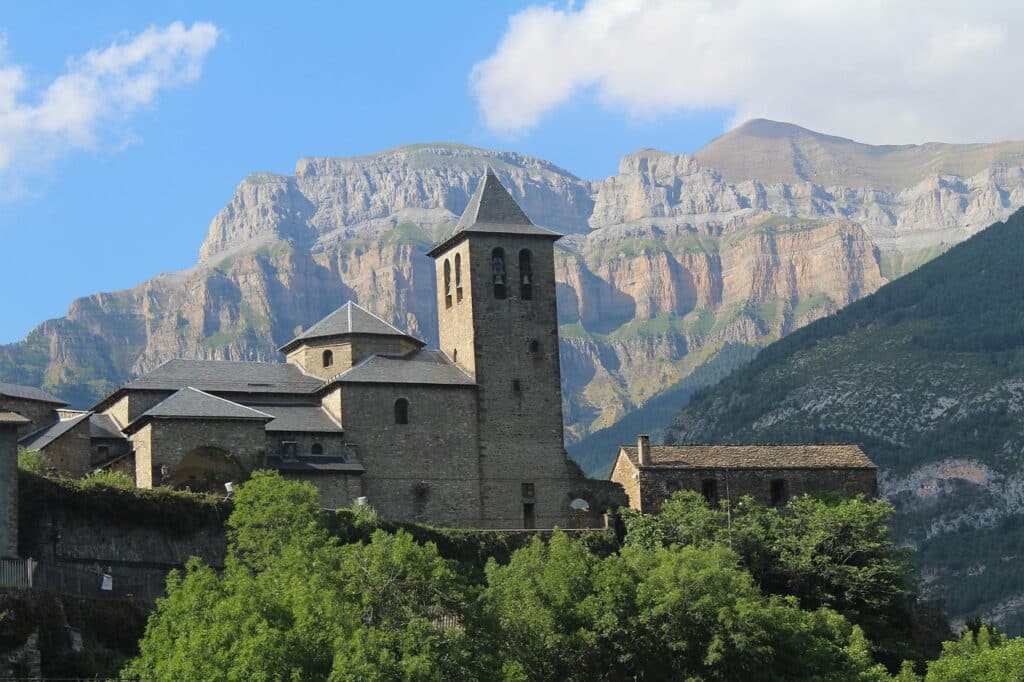
    Beyond its historical appeal, Begur is famous for its proximity to some of the most stunning beaches in Costa Brava, including Sa Riera, Aiguablava, and Sa Tuna. These pristine coves, with their crystal-clear waters, dramatic cliffs, and peaceful atmosphere, are perfect for those seeking quiet places in Spain away from the typical tourist crowds. Whether you’re swimming, snorkeling, or simply basking in the unspoiled natural beauty, these beaches are among the most picturesque in the region.

    Unlike some of the busier coastal resorts, Begur has preserved its authentic character and natural surroundings, ensuring that visitors experience the true essence of Costa Brava. With its blend of history, culture, and breathtaking scenery, it’s no surprise that Begur is considered one of the best towns in Costa Brava.

    the best town in costa brava begur 1

    The Best Town in Costa Brava: Tossa de Mar – A Medieval Coastal Treasure

    Tossa de Mar is a town that beautifully combines historical significance with natural beauty. Its most iconic feature is the Vila Vella, a well-preserved medieval old town enclosed by ancient walls and towers. Strolling through its cobblestone streets, visitors can explore charming shops, restaurants, and historic sites, all set against the backdrop of the Mediterranean Sea.

    The town’s main beach, Platja Gran, offers golden sands and clear waters, while smaller coves like Cala Pola provide more secluded spots for relaxation. Tossa de Mar’s blend of cultural heritage, scenic beauty, and modern amenities makes it a standout destination on the Costa Brava. The town’s commitment to preserving its historical architecture and natural landscapes ensures that it retains its unique charm and appeal.

    the best town in costa brava tossa1 1

    The Best Town in Costa Brava: Lloret de Mar – A Place for Party Lovers

    Lloret de Mar is undoubtedly the best town in Costa Brava for those seeking vibrant nightlife and endless entertainment. Known as the most touristy destination in the region, it’s the perfect spot for party lovers, with a range of clubs, bars, and beach parties that keep the energy high well into the morning. The city’s lively atmosphere attracts thousands of visitors each year, making it the go-to place for those who want to enjoy an unforgettable party experience.

    While Lloret de Mar is all about excitement and fun, its stunning beaches and coastal views provide a great backdrop for those needing a break from the nightlife. It’s the best choice for those who want to combine the best of both worlds—nonstop parties and beautiful Mediterranean scenery. Whether you’re here for the party or the beauty of the coast, Lloret de Mar offers it all.

    Platja de Lloret 1

    The Best Town in Costa Brava: S’Agaró – A Quiet, Residential Gem

    S’Agaró is a charming, more tranquil destination on the Costa Brava, known for its residential atmosphere and quieter vibe compared to its bustling neighbors. Unlike the crowded, tourist-heavy towns, S’Agaró offers a peaceful retreat with less noise and fewer crowds, making it the perfect escape for those looking for a more relaxed vacation.

    The area is mainly residential, with beautiful private villas and stunning coastal views, creating a serene and sophisticated environment. S’Agaró’s beaches are some of the most picturesque on the Costa Brava, with sandy coves and crystal-clear waters surrounded by lush greenery. The small and intimate beaches, such as Platja d’Aro, Cala Sa Cova and Cala del Vigatà, are perfect for those seeking a more serene and uncrowded experience, offering the ideal setting for relaxation and peaceful seaside moments. With its stunning beaches and scenic surroundings, S’Agaró is the perfect destination for anyone looking to unwind in a quiet residential setting.

    cala sa cova

    The Best Town in Costa Brava: Cadaqués – A Beautiful Village Steeped in Art and Natural Splendor

    Cadaqués is often hailed as one of the most beautiful villages in Spain, and it’s easy to see why. Nestled in a stunning bay on the Cap de Creus peninsula, this idyllic village is renowned for its pristine beauty, stone beaches, and crystal-clear waters. The village’s whitewashed buildings, winding cobblestone streets, and breathtaking sea views create a picture-perfect backdrop that has long inspired artists and writers, most famously Salvador Dalí. Dalí’s connection to Cadaqués is deeply rooted, with his nearby residence in Portlligat now a captivating museum.

    The Salvador Dalí House-Museum offers visitors an extraordinary glimpse into the life and creative process of the surrealist master, as well as a chance to explore the beautifully preserved home that Dalí himself designed.

    Cadaqués has long been a hub of creativity, continuing to attract artists and art lovers from around the world. Its charming atmosphere and stunning views provide endless inspiration, while the local galleries and cultural spaces pay homage to the village’s rich artistic history. The town’s stone beaches, such as Platja Gran and Cala Nans, are perfect for those seeking a peaceful retreat. With their crystal-clear waters and serene environments, these beaches provide an ideal setting for relaxation, reflection, and immersion in the beauty that so many artists have cherished over the years. Whether admiring Dalí’s work or simply soaking in the natural splendor, Cadaqués offers a unique blend of artistic heritage and breathtaking landscapes.

    the best town in costa brava cadaques 1

    Conclusion: The Best Town in Costa Brava

    When it comes to choosing the best town in Costa Brava, it truly depends on what you’re looking for. If you’re drawn to art, history, and the beauty of a village with whitewashed houses, then Cadaqués is the perfect choice. With its artistic heritage, stunning sea views, and connection to Salvador Dalí, it offers a unique charm that captures the imagination.

    For those who appreciate natural landscapes and nearby pristine beaches like Aiguablava in Begur, this area is a paradise for outdoor enthusiasts. On the other hand, if you’re looking for an exciting party scene, Lloret de Mar stands out as the ultimate destination for nightlife and entertainment.

    However, if you’re seeking a destination that offers a bit of everything—charming beaches, rich history, and vibrant atmosphere—Tossa de Mar is an excellent all-around option. Ultimately, each town has its own special appeal, so the best town in Costa Brava is the one that fits your personal style and what you’re hoping to experience.

    the best town in costa brava tossa2 1

    Bonus: Other Must-Visit Places Around Costa Brava

    • Massís de Cadiretes: A beautiful natural park located inland, offering stunning hiking trails and panoramic views of the surrounding countryside and coastline.
    • Collioure (French Catalunya): A charming French coastal town just across the border, known for its colorful harbor, artistic heritage, and Mediterranean ambiance.
    • Lake of Banyoles: A serene and picturesque lake, perfect for relaxing or enjoying water activities surrounded by lush nature and rolling hills.
    • Besalú: A medieval village famous for its impressive Romanesque bridge and well-preserved architecture, offering a step back in time with its cobblestone streets and historical charm.
    • The road from Tossa de Mar to Salionc: a scenic Mediterranean road with amazing view, perfect for a short road trip
    • Castellfollit de la Roca: A picturesque village perched on a dramatic basalt cliff, offering stunning views and a unique, scenic atmosphere.
    • Cap de Creus: A rugged natural park with dramatic landscapes, crystal-clear waters, and scenic hiking trails, perfect for outdoor exploration.
    • Calella de Palafrugell: Scenic small village with white houses on the coast
    • Girona: A captivating medieval city, famous for its well-preserved Jewish Quarter, ancient city walls, and charming narrow streets. Visitors can wander through the colorful houses along the Onyar River, visit the impressive Girona Cathedral, and explore the medieval bridges that span the river. For food lovers, Girona is home to the world-renowned Celler de Can Roca, a three-Michelin-star restaurant offering an unforgettable dining experience.

    I hope this guide to the best towns in Costa Brava has inspired you to explore this beautiful region! Whether you’re looking for art, history, nature, or vibrant nightlife, there’s something for everyone. I’d love to hear about your favorite spots or any hidden gems you’ve discovered in Costa Brava—feel free to leave a comment below or message me on Instagram. Don’t forget to check out my other articles for more travel tips, recommendations or simply to read travel stories. Don’t hesitate to contact me if you need help in organizing your trip to Spain. Happy travels!
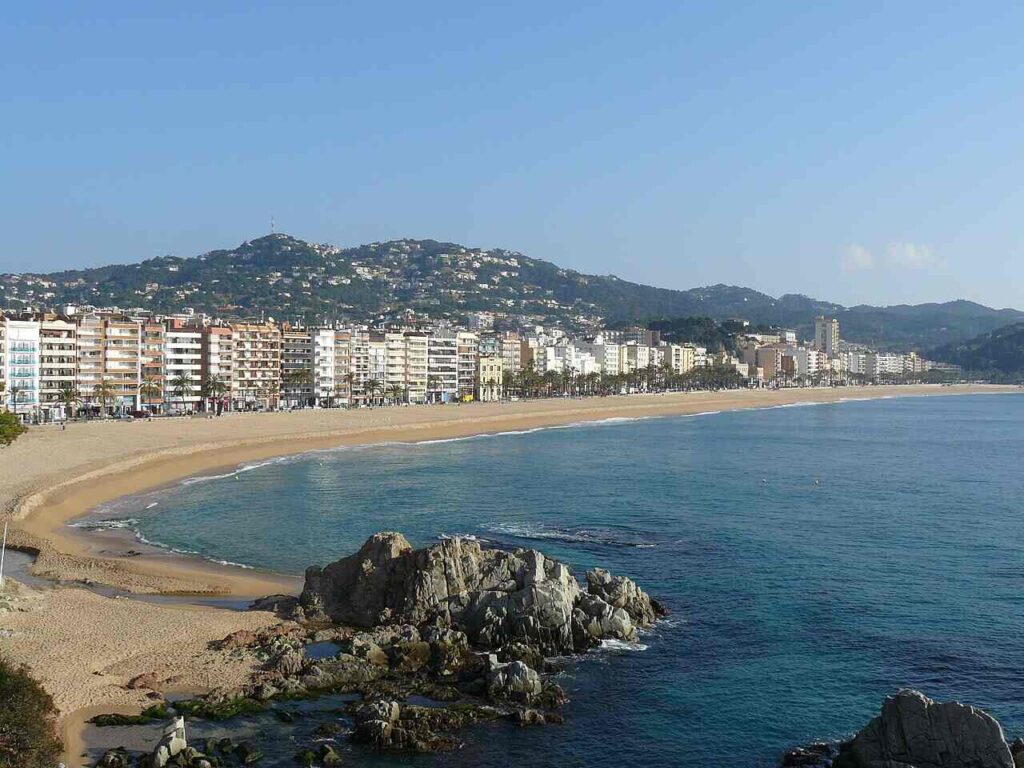
  • Top 5 Weird Foods Eaten Around the World

    Top 5 Weird Foods Eaten Around the World

    Have you ever wondered what weird foods eaten around the world I have tried? Food is an adventure, a window into different cultures and traditions. But sometimes, what’s considered a delicacy in one country might seem like a bizarre eat to the uninitiated. If you have an adventurous palate, or just love reading about the strangest things people put on their plates, this list is for you! From fermented shark to squirming Amazonian larvae, here are five of the weirdest foods eaten around the world, that I have tried personally.

    horseshoe crab

    5. Weird Foods Eaten Around the World: “Sorici” – Romania

    Romania is known for its hearty, meaty dishes, but “sorici” is a snack that even locals find a bit odd. This dish consists of raw pigskin, usually with bristles still attached, which is then seared over an open flame. But the real story behind “sorici” is the traditional ceremony that comes with it. Growing up in Romania, I witnessed firsthand how this dish is deeply rooted in our culture. Before Christmas, families in rural areas come together for the annual pig slaughter, a ritual that has been passed down for generations. The entire village gathers, and after the pig is chased, caught, and killed, the skin is quickly charred and sliced for eating. The taste? Chewy, gelatinous, and intensely porky, with a smoky aftertaste. It may sound gruesome, but for Romanians, it’s a tradition filled with laughter, warmth, and celebration. You can check this YouTube video to check the whole process.

    4. Weird Foods Eaten Around the World: Blood Sausage – Argentina

    Blood sausage, or morcilla, is a staple in Argentinian traditional food, especially when it comes to the famous asado (Argentine barbecue). But my first encounter with it wasn’t in Argentina—it was in a small Argentinian family-owned restaurant in the city of Barcelona, where I lived for five years. As in many other international cities, where many cultures meet, in Barcelona you can find many bizarre foods eaten around the World, but bizarre is always defined by the one who eats. I remember stepping into the cozy little eatery, the scent of grilled meat filling the air. The waiter recommended morcilla, and I, feeling adventurous, agreed. When the dish arrived on a wooden platter, the sausage was black, glossy, and slightly intimidating. I hesitated. Eating blood wasn’t exactly on my culinary bucket list, but I decided to give it a shot. One bite in, and I was surprised. The texture was soft, almost creamy, and the flavor was intensely rich. It had an earthy, slightly metallic taste, balanced by spices and a hint of sweetness from caramelized onions. It was strange, but also oddly delicious. However, after a few bites, the richness became overwhelming, and I had to pause. It’s not something I’d crave regularly, but I can see why Argentinians love it—it’s a deeply flavorful, hearty dish that pairs perfectly with grilled meats and red wine. Back in Argentina, blood sausage is an essential part of any asado, where it’s grilled to perfection and served alongside cuts of beef, ribs, and chimichurri sauce. Some versions include rice, nuts, or even dried fruits, adding complexity to the flavor. While it remains a bizarre eat for many, in Argentina, it’s a beloved dish that represents tradition, family, and the love of a good barbecue.

    3. Weird Foods Eaten Around the World: Horseshoe Crab – Thailand

    Thailand is a paradise of flavors, but among the colorful curries and fragrant street food, I stumbled upon something truly unexpected—a horseshoe crab dish. During an incredible vacation in Thailand, I visited a local seafood restaurant by the beach. The ocean breeze, the sound of waves crashing, and the scent of grilled seafood made the experience feel surreal. The waiter recommended a salad made with horseshoe crab eggs. I was intrigued and ordered it. When the dish arrived, I was both excited and terrified. The roe looked like tiny orange pearls, mixed into a spicy, tangy papaya salad. I took a hesitant bite. The texture was unlike anything I had ever eaten—firm, slightly gritty, and bursting with a salty, oceanic taste. It wasn’t bad, but I couldn’t shake the thought of the ancient, alien-like creature it came from. The dish had an intense, briny flavor that lingered on my tongue. Some bites were delicious, others too overwhelming. I enjoyed the experience, but I wouldn’t say it was a must-have. Still, it was a memorable part of my weird Thai food adventure, and I’ll never forget the odd sensation of eating something that looked straight out of a prehistoric era.

    2. Weird Foods Eaten Around the World: Mojojoy – Amazon Rainforest

    If you have a fear of creepy crawlies, this one might make you squirm. Mojojoy are fat, wriggling larvae that are considered a delicacy in various Amazonian regions. During my trip to the Amazon jungle in Colombia, I was offered one. The locals smiled as they handed me a live one. Some people eat them raw, letting the squishy, protein-packed grub wriggle in their mouth before biting down. I, however, opted for the grilled version, hoping that a bit of charring would make it more palatable. It didn’t. The moment I bit into it, a warm, gooey liquid burst into my mouth, coating my tongue with a nutty yet overwhelmingly earthy flavor. I gagged. The texture was horrifying—somewhere between creamy and gelatinous. I tried to wash it down with beer, but the aftertaste lingered. The locals laughed, telling me it was an excellent source of protein, but I could barely keep it down. For some, Mojojoy is a nutritious and even delicious treat. The grubs are rich in protein, fats, and essential nutrients, making them a vital food source in the jungle. Some even say the live ones taste slightly sweet and juicy, but I wasn’t brave enough to confirm that firsthand. Despite my disgust, I could appreciate how important this bizarre eat is to the people of the Amazon.
    If you are interested to read the story about my trip to the Amazonian Jungle you ca read it here.

    1. Weird Foods Eaten Around the World: Hákarl – Iceland

    And now, the king of weird foods: hákarl! This infamous Icelandic traditional food is fermented shark, and it’s not for the faint of heart. I had heard horror stories about it before visiting Iceland, so I avoided trying it until the very last day of my trip. When I finally built up the courage, I immediately regretted it. The moment the lid of the container was lifted, an overwhelming stench of ammonia (think cleaning products mixed with rotten fish) hit me like a brick wall. I hesitated, but I had come this far—I had to do it. I took a small bite, and instantly, my mouth was filled with a putrid, pungent taste that reminded me of urine. I gagged, trying to chew as fast as possible. Even after swallowing, the taste clung to my mouth, and no amount of water or schnapps could get rid of it. For three days, I could still taste hákarl in my breath. It was, without question, the most revolting thing I have ever eaten. If you ever visit Iceland and are feeling brave, go ahead and try it—but don’t say I didn’t warn you! As you can see in this photo from Atlas Obscura, the best part about this bizarre dish is that it is served in really small cubes.

    weird foods eaten hakrl

    Would You Dare?

    The world is full of surprising, sometimes stomach-churning culinary traditions. While some of these weird foods eaten around the world might seem bizarre at first, they often have deep cultural significance and unique flavors. Whether you’re tempted to try a horseshoe crab dish in Thailand, a bite of Argentinian traditional food like blood sausage, or go all-in on Iceland’s fermented shark, one thing is certain: food is never boring when you step outside your comfort zone! So, would you take a bite, or are you sticking to your usual burger and fries?

    Don’t forget to leave a comment below with your thoughts or questions! Also, be sure to check out more of our travel stories by visiting the rest of our blog and more photos of weird dishes that I tried by following my Instagram page

  • Costa Rica Packing List: 4 Crucial Things to Consider Before Your EPIC Adventure

    Costa Rica Packing List: 4 Crucial Things to Consider Before Your EPIC Adventure

    Introduction

    Have you thought about your Costa Rica packing list? Costa Rica is a tropical paradise renowned for its diverse ecosystems, pristine beaches, and lush jungles. Whether you’re planning to hike through the cloud forests of Monteverde, explore the rainforests around Arenal, or relax on the sandy shores of Manuel Antonio, Costa Rica offers something for every traveler. Its varied climate—from humid jungles to cool mountain air—requires thoughtful packing. But before you start filling your suitcase, have you considered the essential items you shouldn’t forget? In this guide, we’ll walk you through the Costa Rica packing list and highlight five crucial items to prepare for your adventure. Whether you’re staying at a jungle beach hotel in Manuel Antonio or planning a Monteverde night tour, this article will ensure you’re fully equipped for your journey.

    costa rica packing list

    1. Costa Rica Packing List: Essentials for Every Adventure

    Costa Rica is a dream destination for nature lovers, adventure seekers, and beach enthusiasts. From dense jungles and cloud forests to pristine beaches, this country offers a variety of experiences. However, packing for Costa Rica can be tricky if you’re not prepared. Whether you’re trekking through Monteverde, relaxing at a jungle beach hotel in Manuel Antonio, or soaking up the Caribbean sun, here’s your ultimate Costa Rica packing list to ensure a smooth and enjoyable trip. Costa Rica’s jungles and cloud forests are a paradise for hikers and wildlife lovers. Whether you’re hiking Arenal Volcano or taking a Monteverde night tour, the right gear is crucial. The weather can change rapidly, and trails can be muddy, so your Costa Rica packing list should include:

    Jungle Trekking Clothes

    • Lightweight, moisture-wicking clothing – The humidity is high, so quick-dry shirts and pants are ideal.
    • Convertible hiking pants – These will keep you comfortable during hot days and cooler nights.
    • Waterproof hiking boots – Essential for muddy trails and rocky terrain.
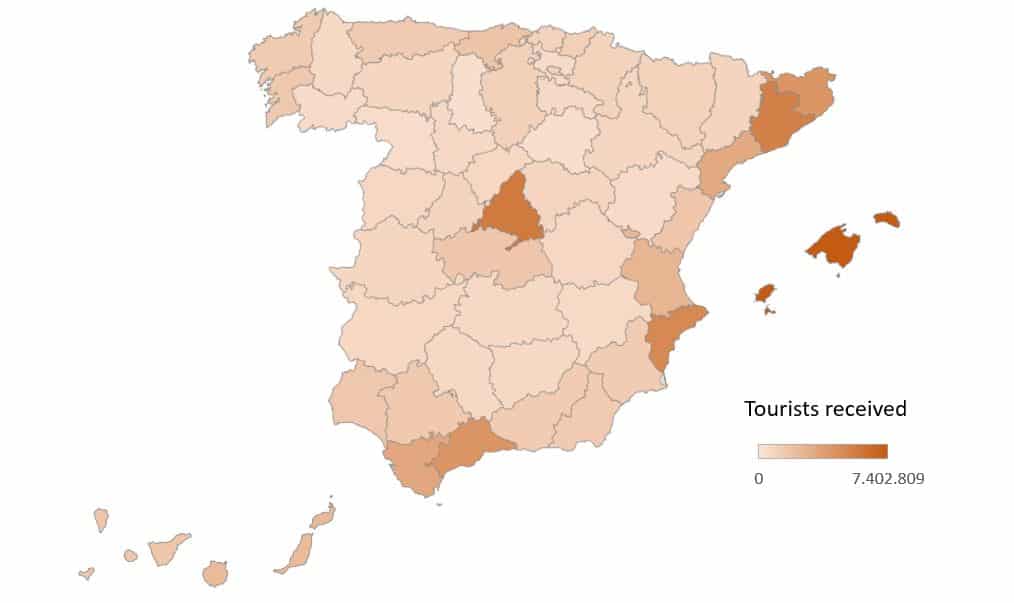
    • High-quality rain jacket – Sudden downpours are common, especially in Monteverde and Arenal.
    • Sweater or fleece – If you plan to take a Monteverde night tour, temperatures can drop significantly in the cloud forest.

    Accessories and Extras

    • Binoculars – Perfect for spotting wildlife like sloths and toucans.
    • Headlamp – A must-have for a Monteverde night tour to navigate dark trails.
    • Bug spray with DEET – Protect yourself from mosquitoes in jungle areas.
    • Reusable water bottle with a filter – Staying hydrated is key, and tap water isn’t always safe to drink.
    • Dry bag – Keeps your electronics safe from rain and humidity.

    For more information on Arenal Volcano National Park visit the official site.

    For more information on Monteverde visit the official site.

    2. Costa Rica Packing List: What to Pack for a Jungle Beach Hotel in Manuel Antonio, Costa Rica

    Manuel Antonio is famous for its stunning beaches, rich wildlife, and luxurious jungle beach hotels that offer the perfect blend of adventure and relaxation. Whether you plan to spend your days spotting monkeys in Manuel Antonio National Park, kayaking through mangroves, or simply unwinding on the beach, having the right items will enhance your stay. Since the climate here is tropical, expect high humidity, warm temperatures, and the occasional rain shower, making it important to pack accordingly.

    Clothing and Beach Essentials

    • Breathable summer clothes – Tank tops, shorts, and sundresses are ideal.
    • Swimsuits – You’ll want at least two so one can dry while you use the other.
    • Water shoes – Protect your feet from rocky shorelines.
    • Sandals – Comfortable, slip-on sandals are great for the beach and casual outings.
    • Sarong or beach cover-up – Useful for beach days and lounging at your jungle beach hotel in Manuel Antonio, Costa Rica.
    • Packable beach towel – Lightweight and quick-drying.

    Additional Must-Haves

    • Reef-safe sunscreen – Protect the coral reefs while keeping your skin safe.
    • Aloe vera gel – Sunburn relief is a lifesaver.
    • Snorkeling gear – Some hotels offer rentals, but having your own is more hygienic.
    • Waterproof phone case – Capture stunning ocean and jungle views worry-free.

    For more on beach activities and accommodations in Manuel Antonio, refer to this guide.

    3. Costa Rica Packing List: What to Pack for Caribbean Beaches

    The Caribbean coast of Costa Rica offers a more laid-back vibe, with stunning beaches in places like Puerto Viejo and Cahuita. The atmosphere here is relaxed, with a strong Afro-Caribbean influence that shapes the food, music, and culture. If you’re looking for calm, turquoise waters, reggae beats, and fresh coconut drinks, this is the place to be. However, the climate can be hotter and more humid than other regions, so packing light and breathable clothing is essential for comfort.

    Caribbean Beach Clothing

    • Breezy cotton outfits – Loose, breathable fabrics keep you cool.
    • Flip-flops – Perfect for strolling along sandy shores.
    • Wide-brim hat and sunglasses – Essential for sun protection.
    • Casual evening wear – Beach towns have a relaxed nightlife, so pack comfortable outfits for dining out.

    Beach and Activity Essentials

    • Beach umbrella – Some beaches don’t have shade, so a small, portable umbrella is useful.
    • Insulated water bottle – Keeps drinks cold on hot days.
    • Surfwear or rash guard – If you plan on surfing, this will prevent sunburn and irritation.
    • Dry towel – Essential for hopping between beaches.

    4. Money: Is Costa Rica Expensive to Eat In?

    One of the biggest concerns travelers have is, “Is Costa Rica expensive to eat in?” The cost of food varies greatly depending on where you eat. Dining at a beachfront restaurant in Manuel Antonio will be significantly more expensive than eating at a local soda (small Costa Rican eatery). Understanding the price ranges and available options can help you budget wisely and make the most of your trip.

    Budget-Friendly Food Options

    • Sodas (local eateries) – These serve traditional Costa Rican meals like “casados” for around $10-$15.
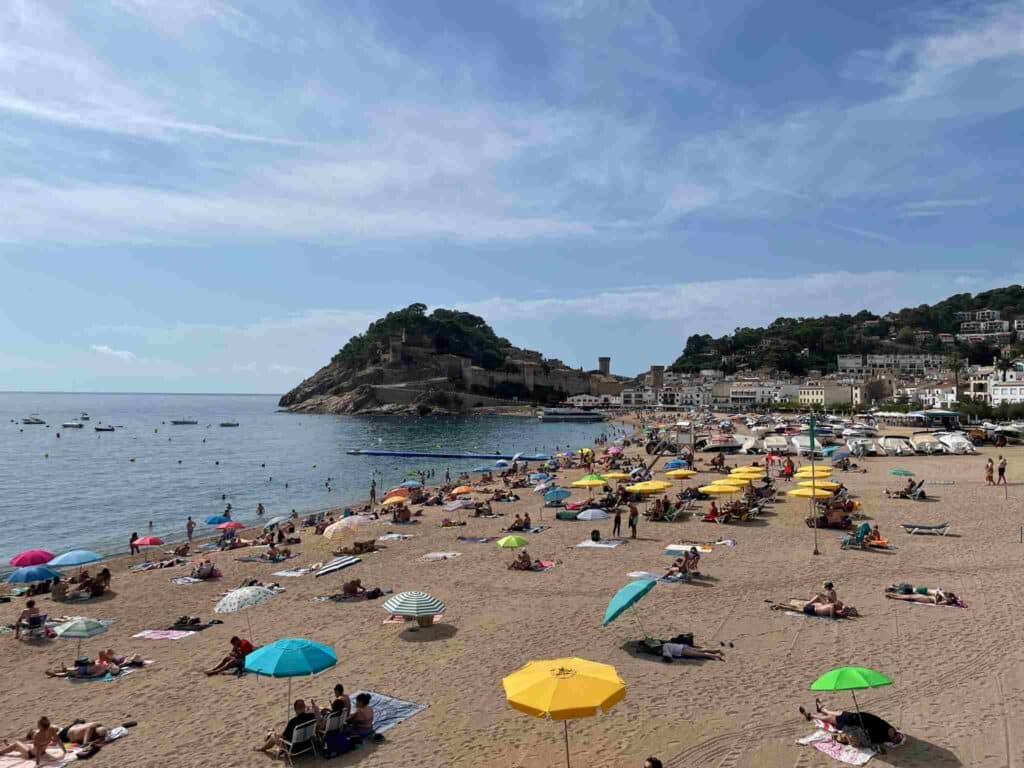
    • Street food – Empanadas, fresh fruit, and tamales are delicious and cheap.
    • Supermarkets – Buying snacks or ingredients to prepare simple meals can save money.

    Mid-Range and Luxury Dining

    • Tourist restaurants – Expect to pay $20-$45 per meal at a sit-down restaurant in tourist areas like Manuel Antonio.
    • Beachfront dining – Dining with an ocean view can cost $40 or more per person.
    • Fine dining – High-end restaurants can cost upwards of $50-$100 per meal.

    Money Tips for Costa Rica

    • Use cash for small purchases – Many places accept USD, but colones are preferred.
    • ATMs are common in tourist areas – However, bring enough cash for remote areas. For example in Arenal area there is only one ATM, so be prepared to wait in a line
    • Tipping is not required but appreciated – A 10% service charge is often included in restaurant bills.

    5. Costa Rica Packing List: Conclusions

    Packing for Costa Rica requires careful planning to ensure you’re ready for any adventure. Whether you’re gearing up for jungle trekking clothes, preparing for a Monteverde night tour, or wondering, “Is Costa Rica expensive to eat?”—having the right items will make your trip stress-free. For those staying at a jungle beach hotel in Manuel Antonio, Costa Rica, or relaxing on the Caribbean coast, packing smartly will help you enjoy every moment of your trip.

    With this Costa Rica packing list, you’re now ready for an unforgettable experience filled with wildlife, adventure, and breathtaking landscapes. Happy travels!Packing for Costa Rica requires careful planning to ensure you’re ready for any adventure. Whether you’re gearing up for jungle trekking clothes, preparing for a Monteverde night tour, or wondering, “Is Costa Rica expensive to eat?”—having the right items will make your trip stress-free. For those staying at a jungle beach hotel in Manuel Antonio, Costa Rica, or relaxing on the Caribbean coast, packing smartly will help you enjoy every moment of your trip.

    With this Costa Rica packing list, you’re now ready for an unforgettable experience filled with wildlife, adventure, and breathtaking landscapes. Happy travels!

    If you’ve already been to Costa Rica and you are looking for a new adventure check my post about my Amazonian Jungle Adventure. Don’t forget to leave a comment below with your thoughts or questions! Also, be sure to check out more of our travel stories by visiting the rest of our blog and more photos from this adventure by following my Instagram page. And if you need help planning your trip to Costa Rica please feel free to contact me and start your own journey as soon as you can! 

    costa rica packing list pura vida