Author: The Verse Voyager

  • Hidden Gems in Tenerife: Secret Places, Local Food & Best Areas to Stay (2025 Guide)

    Hidden Gems in Tenerife: Secret Places, Local Food & Best Areas to Stay (2025 Guide)

    Beyond the sun-soaked beaches of Costa Adeje and the bustling promenades of Playa de las Américas lies a completely different Tenerife – one where ancient villages cling to volcanic cliffs, where locals gather in family-run eateries called guachinches, and where dramatic landscapes remain untouched by mass tourism. These hidden gems in Tenerife offer authentic experiences that most visitors never discover, transforming your typical Canary Islands vacation into an unforgettable journey of exploration (and trust us, your Instagram followers will be seriously jealous).

    While millions flock to Tenerife’s popular tourist destinations each year, the island’s most magical moments happen in its secret corners – from the mystical village of Masca perched dramatically between towering cliffs to the forgotten coastal settlements of the northeast where time seems to have stopped. This comprehensive guide reveals Tenerife’s best-kept secrets, including authentic dining experiences, strategic accommodation choices, and insider tips to help you avoid tourist traps while discovering the island’s true character.

    Whether you’re seeking off-the-beaten-path adventures, authentic Canarian cuisine, or simply want to experience Tenerife like a local, these hidden treasures will show you why this volcanic island offers so much more than meets the eye. From mysterious pyramids to traditional wine cellars, prepare to uncover a side of Tenerife that will leave you planning your return before you’ve even left.

    Tenerife Secret Places: Undiscovered Villages and Natural Wonders

    1. Hidden gems in Tenerife: Los Catalanes and the Forgotten North-East Villages

    Tucked away in Tenerife’s rugged northeast corner, Los Catalanes represents everything that makes the island’s Tenerife secret places so special. This tiny hamlet, accessible only via winding mountain roads, offers visitors a glimpse into authentic Canarian life that has remained largely unchanged for generations. The village’s name pays homage to Catalan settlers who arrived centuries ago, and their influence can still be felt in the local architecture and cultural traditions.

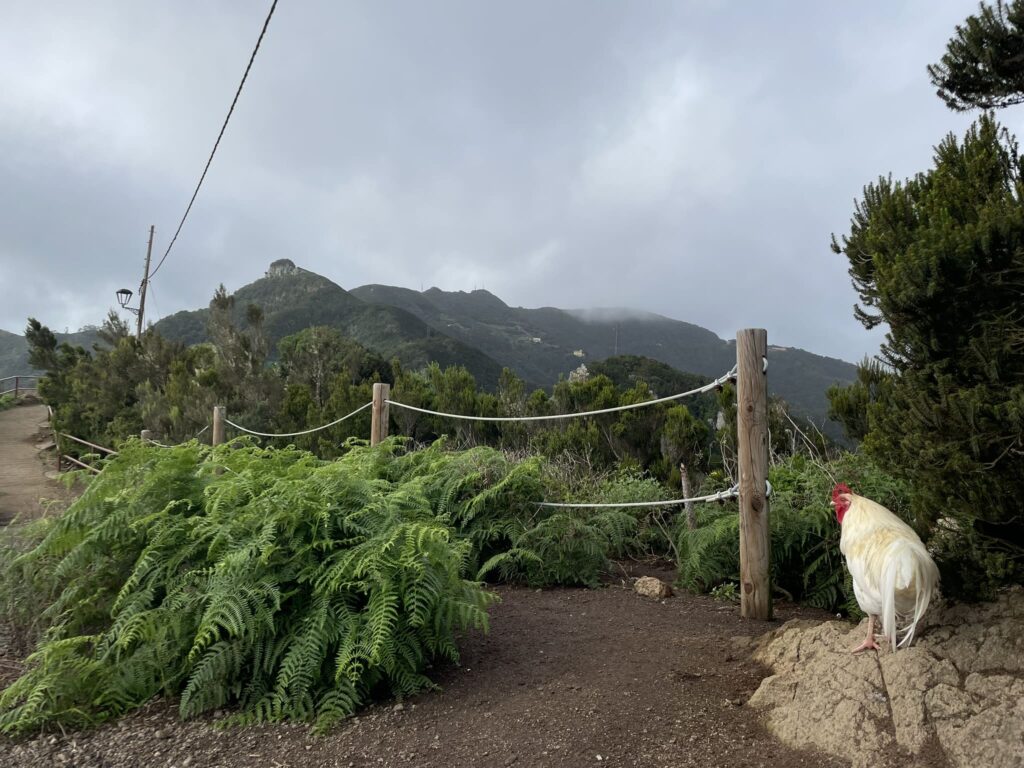
    The journey to Los Catalanes is half the adventure – narrow roads snake through ancient laurel forests and offer breathtaking views of the Atlantic Ocean crashing against dramatic black volcanic cliffs. Unlike the manicured tourist areas, this region showcases Tenerife’s wild beauty, where endemic plants thrive in microclimates created by the trade winds and mountainous terrain.

    What makes Los Catalanes particularly special is its proximity to other forgotten settlements like Almáciga, Benijo, and Taganana. These authentic Tenerife villages form a network of undiscovered destinations where you can witness traditional farming methods, sample homemade cheese from local goats, and experience the warm hospitality that defines rural Canarian culture. The best time to explore this region is during the morning hours when mist often clings to the mountains, creating an almost mystical atmosphere that photographers and nature lovers find irresistible.

    hidden-gems-in-tenerife-rural-canarian

    The view from the north-eastern side of Tenerife

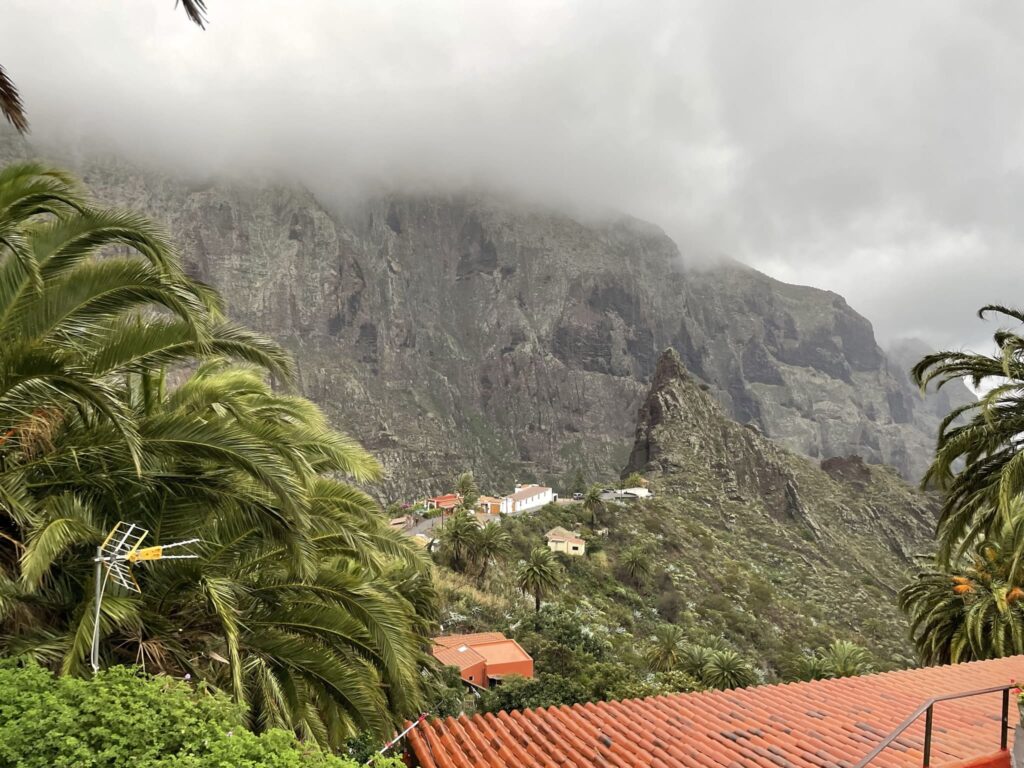
    2. Hidden gems in Tenerife: Masca

    Perched precariously between towering cliffs in the Teno Mountains, Masca ranks among Tenerife’s most spectacular Tenerife secret places. This ancient village, once home to pirates and smugglers (who clearly had excellent taste in real estate), seems to defy gravity as it clings to the mountainside at an elevation of nearly 650 meters. The journey to Masca involves navigating one of Europe’s most dramatic mountain roads, with hairpin turns revealing increasingly stunning vistas of the surrounding ravine.

    The village itself consists of just a handful of traditional stone houses, a small church, and a restaurant where you can sample local specialties while gazing across the dramatic Masca Gorge. What truly sets this hidden gem apart is the famous Masca Trail, a challenging hiking route that descends through the ravine to a secluded black sand beach accessible only on foot or by boat.

    Due to its popularity among hikers, access to the Masca Trail is now regulated with advance bookings required, making it essential to plan ahead. However, even without hiking the trail, simply visiting the village and exploring the surrounding viewpoints offers unforgettable experiences. The late afternoon provides the most dramatic lighting for photography, when the western sun illuminates the cliff faces and creates stunning contrasts between light and shadow.

    secret-places-in-tenerife-masca

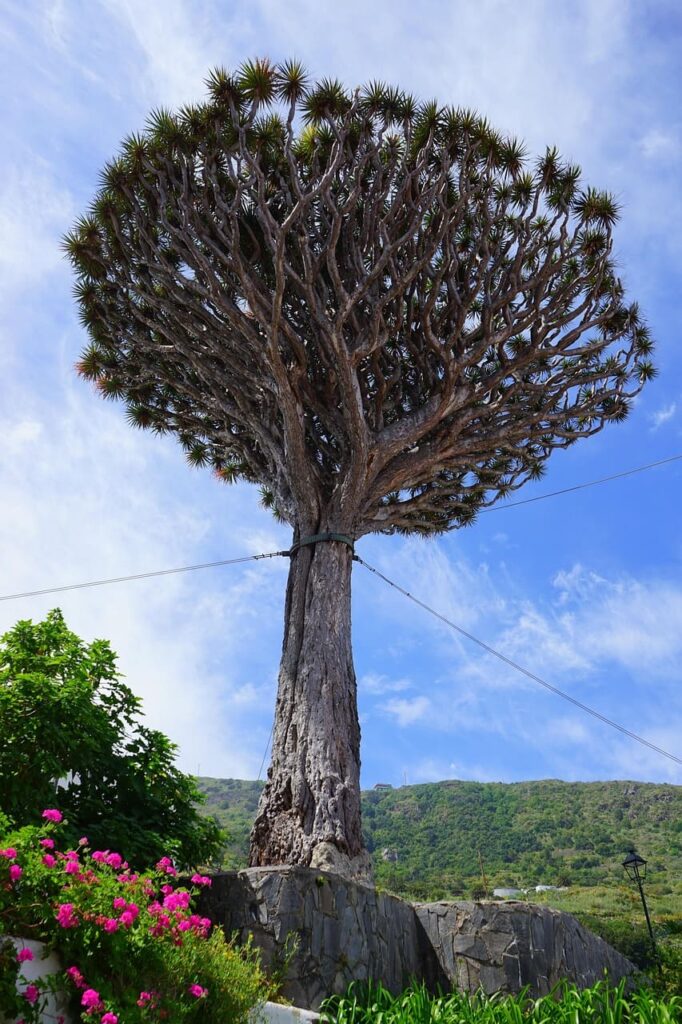
    3. Hidden gems in Tenerife: Icod de los Vinos, Beyond the Dragon Tree

    While many visitors to Icod de los Vinos come solely to see the famous Drago Milenario – the thousand-year-old dragon tree – this charming town offers numerous other attractions that qualify it as one of Tenerife’s overlooked treasures. The historic center features beautiful colonial architecture, traditional Canarian balconies, and peaceful plazas where locals gather for evening conversations (and the occasional heated debate about football).

    The town’s wine-making heritage runs deep, with several family-owned bodegas offering tastings of distinctive Canarian wines made from volcanic soil. These intimate wine experiences provide insight into traditional viticultural methods that have been passed down through generations. The volcanic caves beneath the town, known as Cueva del Viento, represent one of the world’s longest lava tube systems and offer guided tours through underground chambers formed by ancient volcanic activity.

    Beyond the main attractions, Icod de los Vinos serves as an excellent base for exploring the surrounding Teno Rural Park, where numerous hiking trails lead through pristine forests and offer spectacular coastal views. The town’s authentic atmosphere, combined with its strategic location and rich cultural heritage, makes it an ideal destination for travelers seeking genuine Canarian experiences away from tourist crowds.

    icod-de-los-vinos-dragon-tree

    4. Hidden gems in Tenerife: Güímar, Ancient Mysteries and Coastal Charms

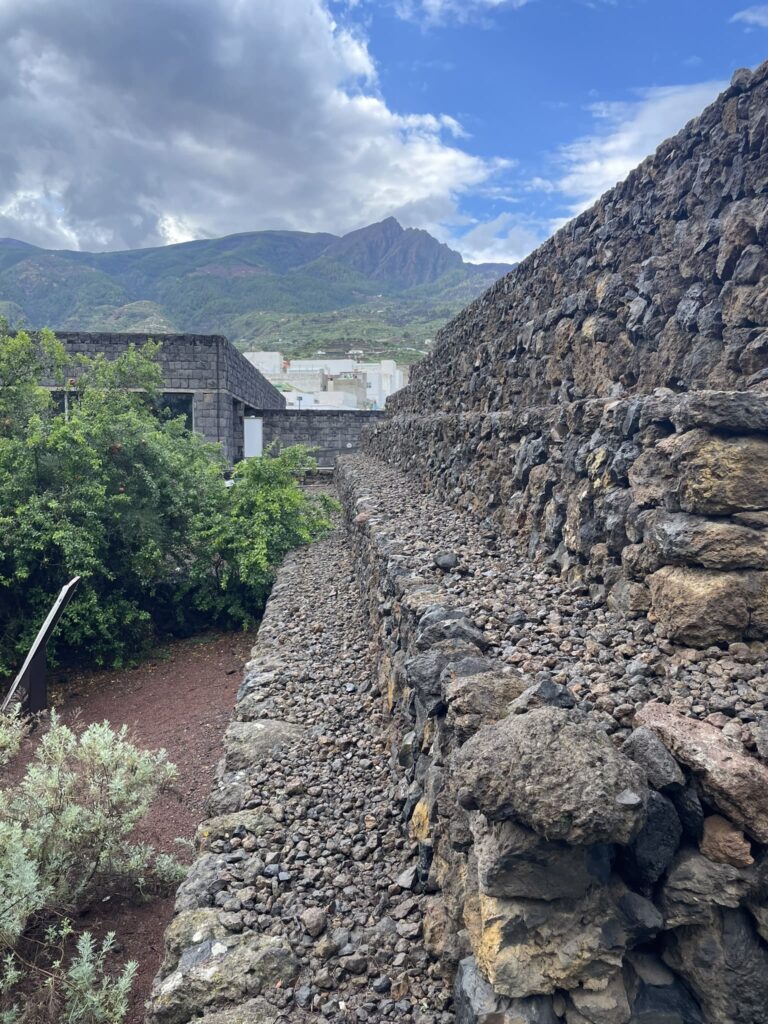
    The town of Güímar holds two distinct treasures that make it essential for any exploration of Tenerife secret places. The mysterious Güímar Pyramids, studied extensively by Norwegian explorer Thor Heyerdahl, continue to puzzle archaeologists and visitors alike. These step pyramids, built from volcanic stone without mortar, demonstrate sophisticated astronomical alignments that suggest advanced ancient knowledge.

    The Ethnographic Park at Güímar provides comprehensive information about these enigmatic structures while showcasing traditional Canarian culture through exhibits on local crafts, agriculture, and maritime history. The park’s gardens feature plants from around the world, creating a peaceful environment for contemplation and learning.

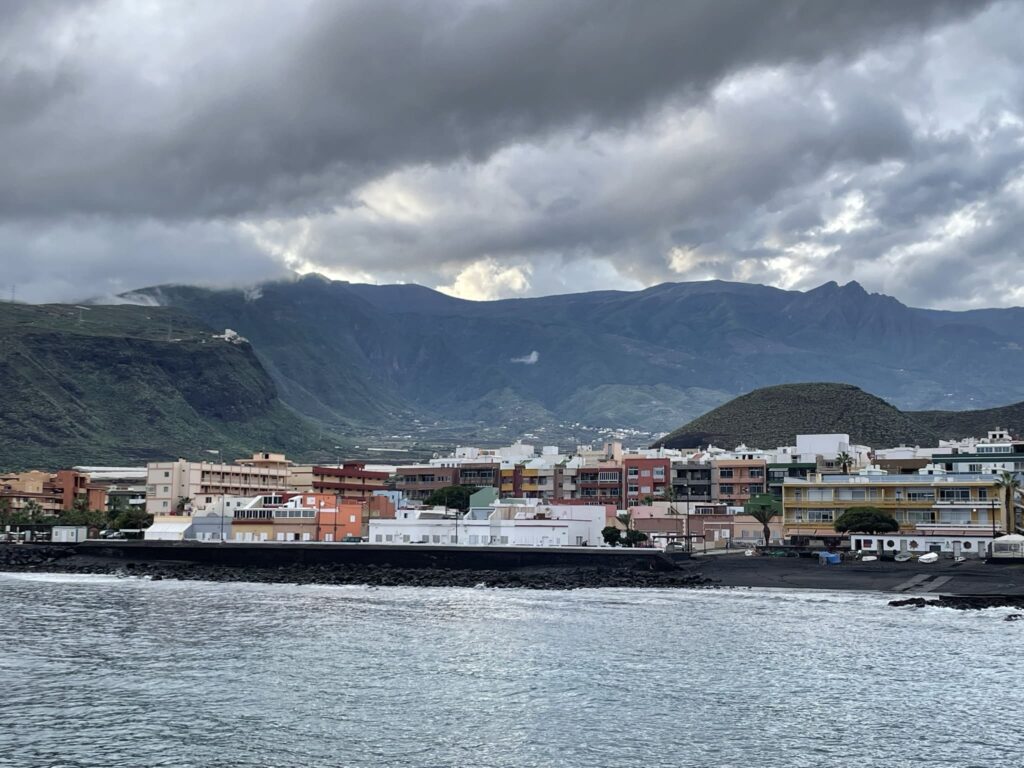
    Just a short drive from the pyramids, Puertito de Güímar offers a completely different but equally rewarding experience. This small fishing village maintains its authentic character despite being easily accessible from the main tourist areas. The natural pools formed by volcanic rock provide perfect swimming spots, while the small harbor area features excellent seafood restaurants where local fishermen sell their daily catch. The combination of historical mystery and coastal tranquility makes Güímar an ideal destination for visitors seeking both cultural enrichment and relaxation.

    guimar-pyramids
    puertito-de-guimar-secret-spots-tenerife

    View of Puertito Guimar

    What Food is Tenerife Famous For: Authentic Culinary Experiences

    Traditional Canarian Cuisine Overview

    Tenerife’s culinary landscape reflects its unique position as a bridge between Europe, Africa, and the Americas, creating a distinctive gastronomy that goes far beyond typical Spanish fare. The island’s volcanic soil produces exceptional ingredients, from sweet potatoes and plantains to exotic fruits that thrive in the subtropical climate. Understanding what food is Tenerife famous for requires appreciating how geography, history, and local traditions combine to create unforgettable dining experiences.

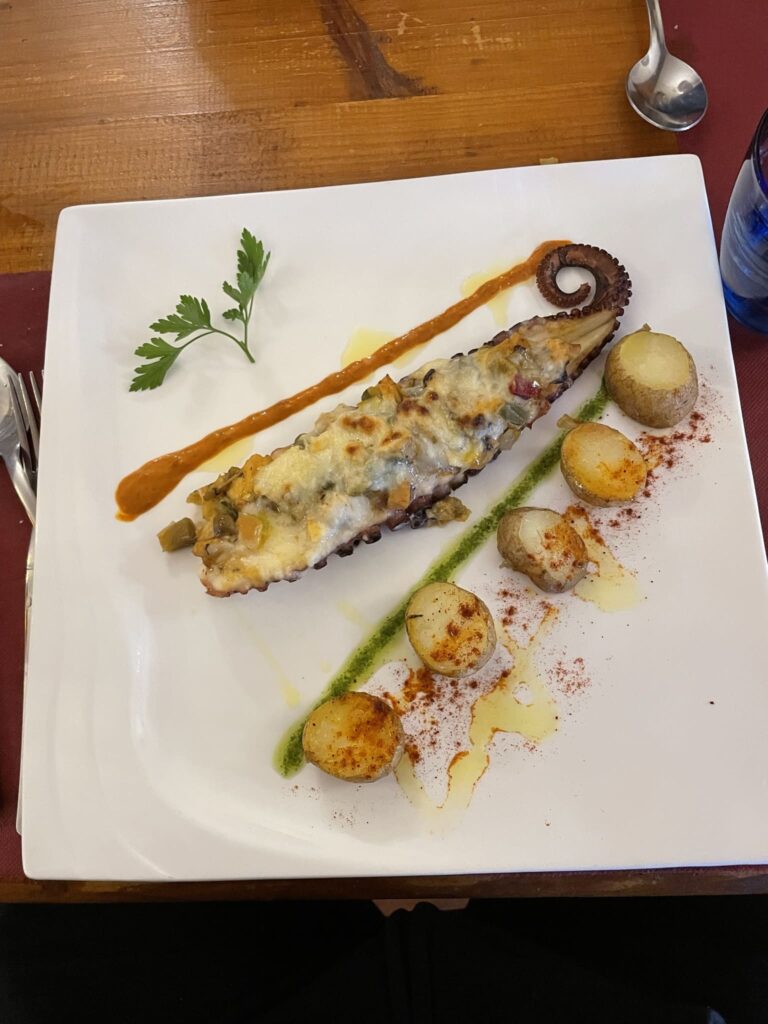
    The cornerstone of Canarian cuisine is “papas arrugadas” – small potatoes boiled in heavily salted water until wrinkled, served with “mojo” sauces that come in green (cilantro and parsley) or red (paprika and chili) varieties. These simple yet flavorful dishes represent the essence of local cooking: fresh ingredients prepared with time-honored techniques that enhance natural flavors rather than masking them.

    Fresh fish and seafood play crucial roles in Tenerife’s culinary identity, with varieties like “vieja” (parrotfish), “sama” (sea bream), and “cherne” (wreckfish) prepared simply to showcase their oceanic freshness. Local fishing boats bring daily catches to small coastal restaurants where traditional preparation methods ensure authentic flavors that transport diners directly to the Atlantic’s edge.

    Gofio, a toasted grain flour that predates Spanish colonization, appears in numerous traditional dishes and represents the islands’ indigenous Guanche heritage. This versatile ingredient adds nutty flavors and nutritional value to everything from breakfast porridge to dessert mousses, demonstrating how ancient foods continue to define modern Canarian gastronomy.

    tenerife-seafood

    Hidden gems in Tenerife: The Guachinche Experience

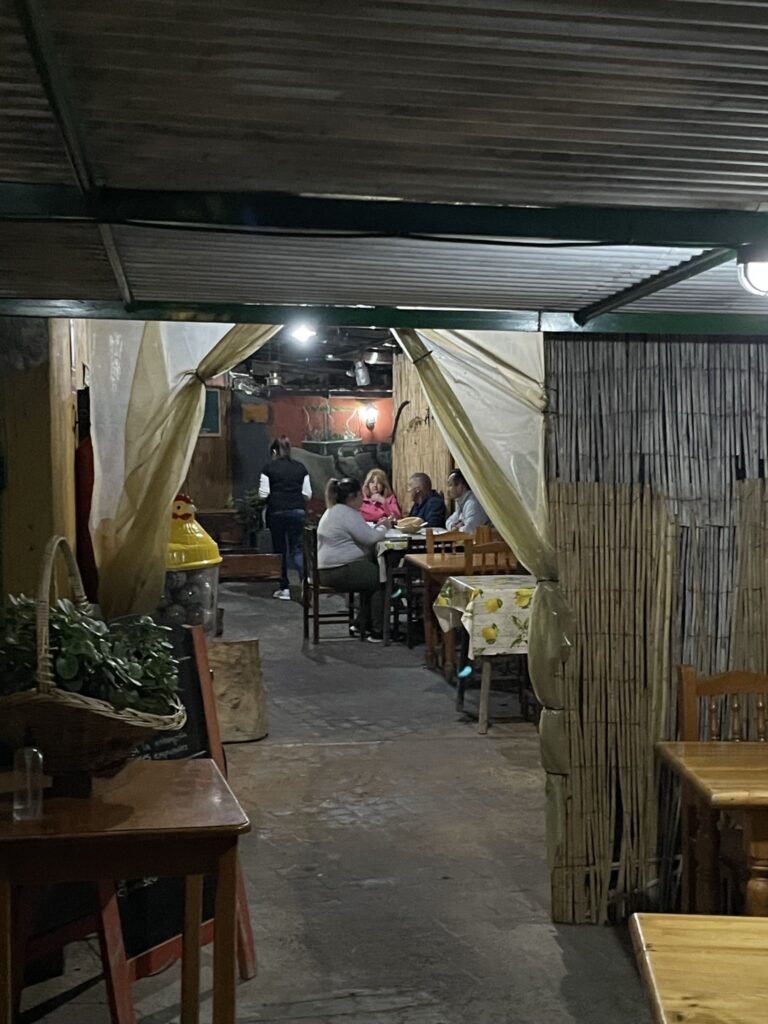
    No exploration of what food is Tenerife famous for would be complete without experiencing a guachinche – traditional family-run establishments that originated as private homes where locals served homemade wine and simple meals to neighbors and friends. These authentic dining venues offer the most genuine Canarian culinary experiences, far removed from tourist-oriented restaurants (and thankfully, far from anyone trying to sell you a timeshare).

    Guachinches typically operate seasonally, usually from November to May, coinciding with the local wine harvest and fermentation cycle. The concept stems from centuries-old traditions where families would sell their surplus wine production along with hearty home-cooked meals. Today’s guachinches maintain this intimate atmosphere, often featuring just a few tables in converted garages or rural homes where multiple generations of the same family prepare and serve traditional dishes.

    The menu at a typical guachinche changes daily based on available ingredients and family recipes, but usually includes specialties like “carne fiesta” (marinated pork), “conejo en salmorejo” (rabbit in herb sauce), and “ropa vieja” (shredded beef stew). These substantial dishes reflect the agricultural heritage of Tenerife’s rural communities, prepared using techniques passed down through generations.

    Finding authentic guachinches requires local knowledge, as they rarely advertise and operate primarily through word-of-mouth recommendations. The most traditional establishments are located in small villages throughout the island, particularly in areas like La Matanza, El Sauzal, and Tacoronte. Prices remain remarkably reasonable, with complete meals including wine often costing less than a single course at tourist restaurants.

    The social aspect of dining at guachinches is equally important as the food itself. These venues serve as community gathering places where locals catch up on neighborhood news, families celebrate special occasions, and visitors can experience genuine Canarian hospitality. Don’t expect fancy presentations or extensive wine lists – the appeal lies in honest, flavorful food served in welcoming environments that embody the island’s authentic spirit.

    guachinche-experience-tenerife

    Best Places to Stay in Tenerife: Strategic Locations for Hidden Gem Hunters

    North Coast: Base for Village Exploration

    The northern region of Tenerife offers the best places to stay in Tenerife for travelers prioritizing authentic experiences and easy access to the island’s most charming hidden villages. Puerto de la Cruz, the island’s original tourist destination, maintains much of its traditional character while providing excellent accommodations and transportation connections to hidden gems in Tenerife that remain largely undiscovered by mainstream tourism.

    Staying in the north provides several strategic advantages for exploring hidden gems in Tenerife. The region’s cooler, more humid climate supports lush vegetation and dramatic landscapes that contrast sharply with the arid south. Morning mist and afternoon trade winds create constantly changing atmospheric conditions that make each day’s exploration unique and photogenic, perfect for discovering secret things to do in Tenerife.

    Hotels in Puerto de la Cruz range from historic properties that have hosted visitors for over a century to modern boutique establishments that blend traditional architecture with contemporary amenities. Many accommodations feature traditional Canarian courtyards, volcanic stone construction, and panoramic views of the Atlantic Ocean or Mount Teide

    The town serves as an excellent base for day trips to Los Catalanes and other northeast villages, with rental cars easily accessible and scenic driving routes that transform transportation into part of the adventure. While the north is generally safe, it’s worth noting some areas to avoid in Tenerife during certain weather conditions – coastal paths can become slippery during heavy rains, and some mountain roads may be challenging for inexperienced drivers.

    Alternative accommodation options in the north include rural hotels in La Orotava, where traditional mansions have been converted into intimate lodging experiences surrounded by banana plantations and ancient forests. These properties offer authentic immersion in Canarian rural life while maintaining comfortable amenities that ensure restorative nights after days of exploring hidden gems in Tenerife.

    Central/Mountain Areas: For Nature Lovers

    Mountain accommodations provide unparalleled access to Tenerife’s most dramatic landscapes and best hiking opportunities. The areas around La Orotava and the foothills of Mount Teide offer some of the best places to stay in Tenerife for travelers seeking both natural beauty and cultural authenticity, with easy access to unique things to do in Tenerife that most visitors never experience.

    Rural houses, known locally as “casas rurales”, represent the most authentic accommodation option in central Tenerife. These traditional properties, often featuring original volcanic stone construction and surrounded by terraced gardens, provide intimate experiences of rural Canarian life. Many casas rurales are working farms where guests can participate in daily activities like goat milking, cheese making, or vegetable harvesting – authentic things to do in Tenerife that beat room service any day.

    The central mountains offer excellent access to Masca and numerous hidden gems in Tenerife, with several accommodation options in nearby villages like Buenavista del Norte or Santiago del Teide.

    These locations provide stunning sunset views while serving as strategic bases for exploring the Teno Mountains and their hidden villages.

    Higher altitude accommodations near Teide National Park offer unique experiences for stargazing enthusiasts and early morning hikers. The Parador de Cañadas del Teide, located within the national park itself, provides luxury accommodations at over 2,000 meters elevation, making it possible to witness spectacular sunrises from Spain’s highest peak – one of the most spectacular things to do in Tenerife.

    Climate considerations are important when choosing mountain accommodations, as temperatures can be significantly cooler than coastal areas, particularly during winter months. Some areas to avoid in Tenerife include high-altitude locations during severe weather warnings, as mountain roads can become treacherous in fog or ice conditions.

    Ready to Discover Your Perfect Tenerife Adventure?

    Tenerife’s incredible diversity means there’s truly something magical waiting for every type of traveler. From the hidden gems in Tenerife tucked away in ancient villages to the stunning volcanic landscapes that define this remarkable island, your perfect Canary Islands adventure is just waiting to be planned.

    But here’s the thing – with so many incredible things to do in Tenerife and countless accommodation options to choose from, planning the perfect itinerary can feel overwhelming. That’s exactly why I’m here to help.

    Let’s Plan Your Dream Tenerife Trip Together

    Whether you’re drawn to discovering Tenerife secret places, exploring charming mountain villages, or wondering what food is Tenerife famous for, I’d love to help you create a personalized itinerary that matches your travel style and interests. I can also guide you on areas to avoid in Tenerife to ensure your trip is both safe and unforgettable.

    Need help planning your Tenerife adventure? Drop me a comment below or contact me via the website.

    • How many days will you be visiting?
    • What type of experiences excite you most – hidden gems in Tenerife or popular attractions?
    • Are you a foodie curious about what food is Tenerife famous for?
    • Are you traveling solo, as a couple, or with family?

    Stay Connected for More Tenerife Secrets

    Follow along for more:

    • 📖 Read my other travel articles – I’ve covered more topics and travel destinations. If Tenerife does not seem for you maybe there are other destination in Spain you would like to explore, like the Costa Brava.
    • 📸 Follow me on Instagram [@theverse_voyager] – I share real-time updates, stunning photos from my latest hidden gems in Tenerife discoveries, and behind-the-scenes glimpses of authentic local experiences
    • 💬 Join the conversation – Your questions and experiences help me create even better content for fellow travelers

    Your Tenerife Adventure Starts Now

    Don’t let analysis paralysis keep you from experiencing one of World’s most diverse and beautiful destinations. Whether you’re planning your first visit or returning to explore more Tenerife secret places, I’m here to ensure you discover not just the popular attractions, but the authentic experiences that will make your trip truly unforgettable.

    I’ll help you navigate everything from the most exciting things to do in Tenerife to areas to avoid in Tenerife for safety reasons, plus I’ll share my insider knowledge about what food is Tenerife famous for so you can eat like a local throughout your stay.

    Ready to start planning? Let’s make your Tenerife dreams a reality – I can’t wait to help you discover your own favorite hidden gems in Tenerife! For more general information about the island I totally recommend you to read the offical tourism page of the island.

    But here’s the thing – with so many incredible things to do in Tenerife and countless accommodation options to choose from, planning the perfect itinerary can feel overwhelming. That’s exactly why I’m here to help.

  • 20 Best Destinations in Spain: Quiet Retreats, Historic Sites, Hidden Gems & Nightlife Hotspots

    20 Best Destinations in Spain: Quiet Retreats, Historic Sites, Hidden Gems & Nightlife Hotspots

    Spain offers far more than the typical tourist trail of Barcelona and Madrid. From mountain villages where time stands still to mysterious archaeological sites that baffle scientists, from world-renowned party destinations to sophisticated cultural capitals – this diverse country caters to every type of traveler.

    This comprehensive guide explores 20 of the best destinations in Spain across four distinct categories: peaceful retreats for those seeking tranquility, historic sites rich in culture and heritage, hidden gems that most tourists never discover, and vibrant nightlife destinations where the party never stops.

    Whether you’re planning a quiet mountain escape, a cultural deep-dive into Spain’s layered history, an adventure to unexplored corners, or nights filled with world-class entertainment, these carefully selected destinations showcase the authentic Spain beyond the obvious choices.

    Best destinations in Spain: Quiet Places in Spain

    1. Quiet places in Spain:  Siurana, Catalonia

    • Setting: Mountain village perched on dramatic cliffs
    • Population: Under 30 residents
    • Perfect For: Rock climbing, hiking, complete disconnection

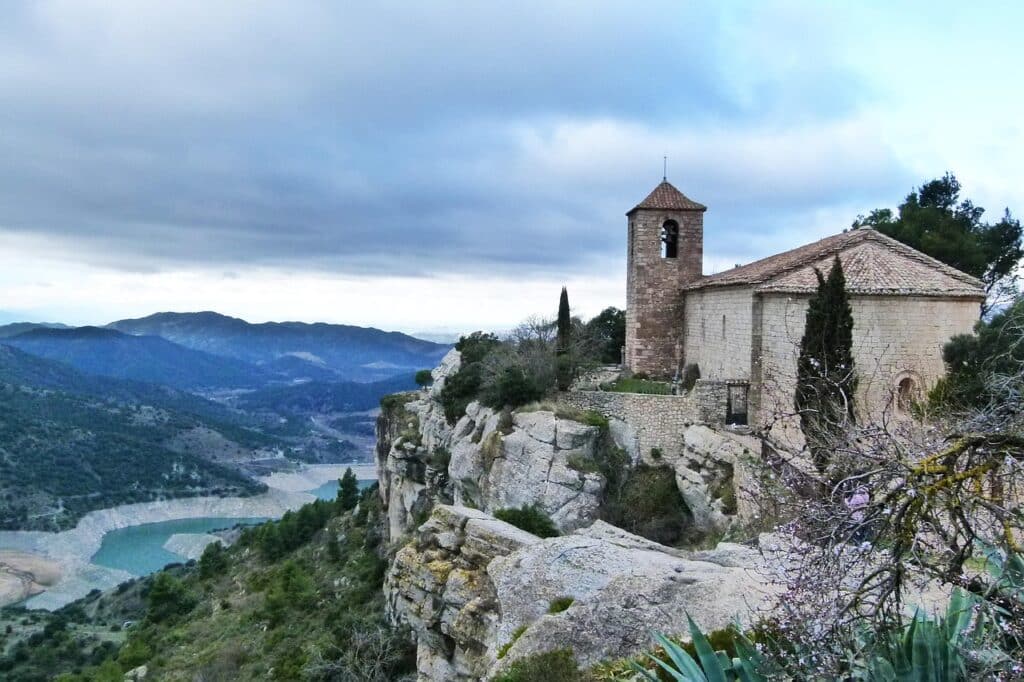
    Perched precariously on a cliff edge in Catalonia’s Prades Mountains, Siurana feels like Spain’s most dramatic village. With fewer than 30 permanent residents, this tiny settlement offers breathtaking views over the Siurana reservoir and surrounding valleys.

    The village is renowned among rock climbers for its world-class limestone routes, but non-climbers will find equal magic in the medieval stone houses, the small Romanesque church, and the legend of Queen Abdelazia who supposedly leaped from the cliffs rather than surrender to Christian forces.

    The silence here is profound – broken only by the wind through pine trees and the distant calls of birds of prey. Stone paths wind between ancient houses, and every corner offers another spectacular vista. For those seeking true peace, Siurana delivers an almost mystical tranquility.

    best-destinations-in-spain-siurana

    2. Quiet places in Spain: North Tenerife Villages

    • Setting: Volcanic landscapes and traditional Canarian architecture
    •  Population: Small rural communities scattered across the north
    • Perfect For: Authentic island culture, nature walks, volcanic hiking

    While southern Tenerife bustles with resort tourism, the north remains authentically Canarian. Traditional villages like Taganana, Garachico, and La Orotava showcase the island’s pre-tourism character with their colonial architecture, narrow cobbled streets, and unhurried pace of life.

    Located within the Anaga Rural Park, Taganana offers breathtaking views of cliffs and beaches, as well as access to hiking trails through laurel forests. Playa de Benijo, known for its sunsets, is also nearby. 

    These villages provide perfect bases for exploring the otherworldly landscapes of Teide National Park, hiking through laurel forests, or simply enjoying the slower rhythm of traditional Canarian life. Local guachinches (family-run restaurants) serve home-cooked meals, and volcanic wine tastings offer unique flavors shaped by the island’s dramatic geology.

    For more information about Tenerife you can read my article about the island and my favourite spots there.

    best-destinations-in-spain-north-tenerife
    north-tenerife-guachinches

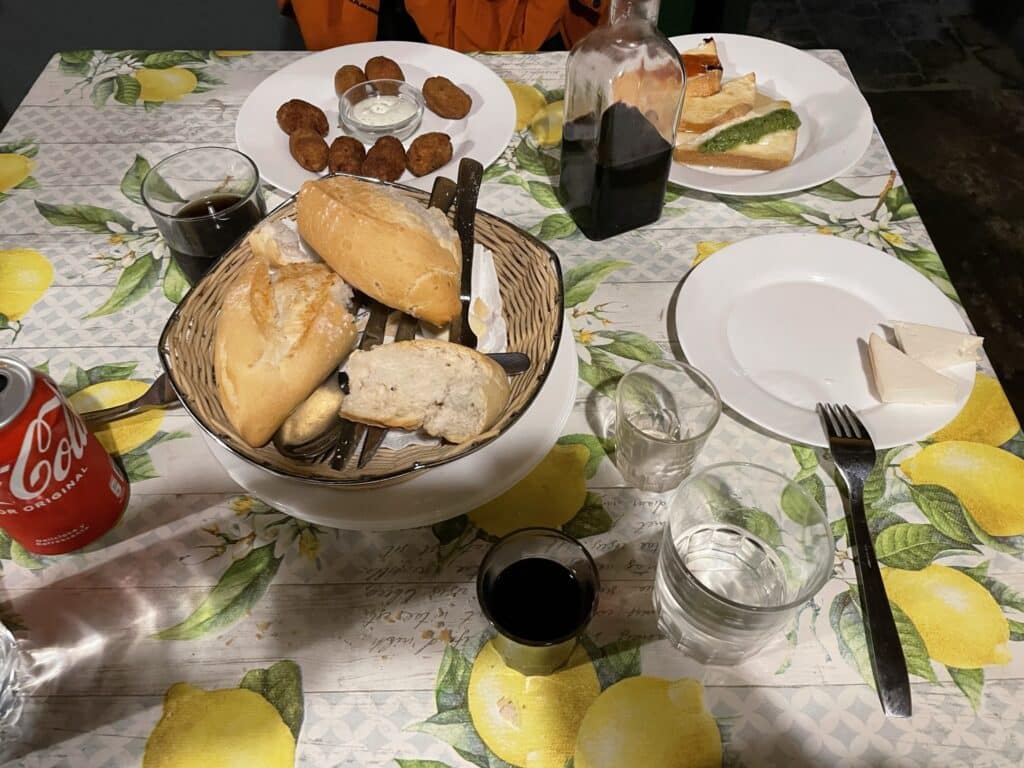
    Some free appetizers in a guachince

    3. Quiet places in Spain: La Seu d’Urgell, Catalonia

    • Setting: Pyrenean valley town near Andorra border
    • Population: Around 12,000 but maintains quiet mountain atmosphere
    • Perfect For: Cathedral visits, mountain hiking, peaceful retreat

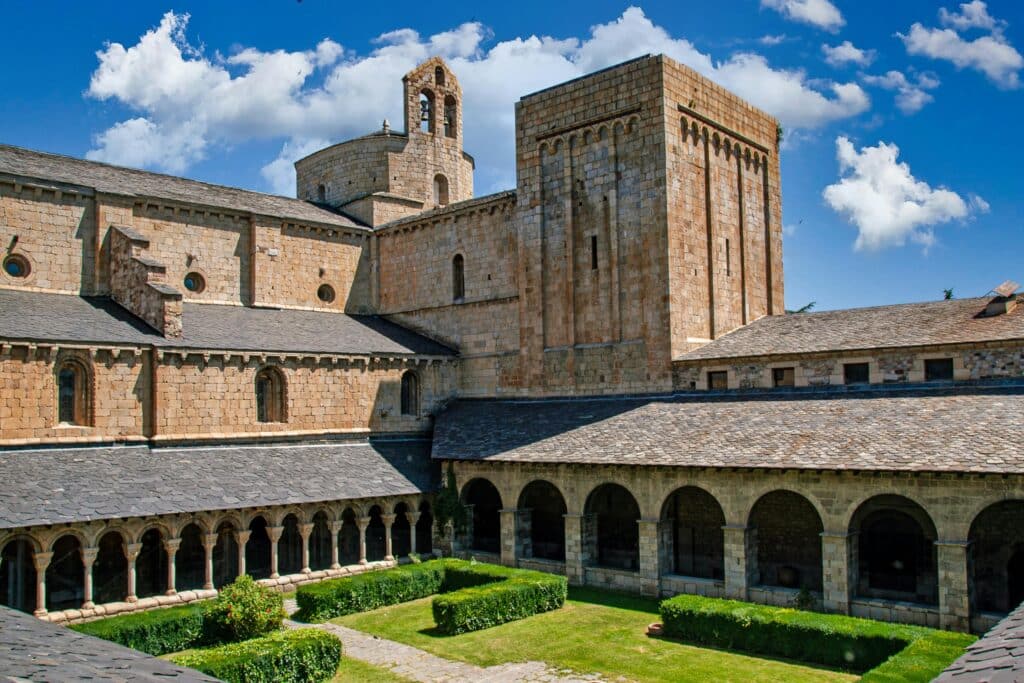
    Nestled in a Pyrenean valley near the Andorran border, La Seu d’Urgell combines architectural splendor with mountain tranquility. The town’s magnificent Romanesque cathedral, one of Catalonia’s finest, dominates the skyline and provides a focal point for this peaceful mountain community.

    The cathedral, with its distinctive twin towers and beautiful cloister, houses important medieval manuscripts and religious art. But beyond its architectural treasures, La Seu d’Urgell offers a genuinely relaxed atmosphere where locals still gather in traditional cafés and the pace of life follows mountain rhythms.

    Surrounding hiking trails lead into the high Pyrenees, making this an ideal base for exploring Aigüestortes National Park or simply enjoying riverside walks along the Segre River. The weekly market brings local produce and crafts, while the town’s thermal springs provide additional relaxation opportunities.

    best destinations in spain la seu d urgell

    4. Quiet places in Spain:  Zumaia, Basque Country

    • Setting: Coastal town famous for dramatic geological formations
    • Population: Around 9,000 residents
    • Perfect For: Geology enthusiasts, coastal walks, peaceful seaside retreat

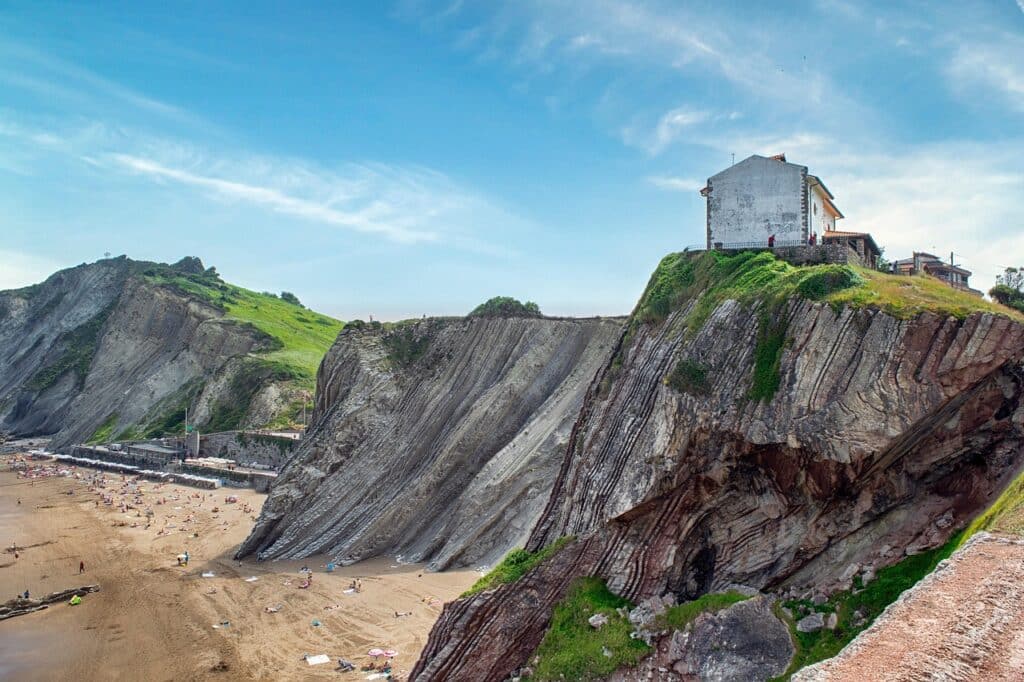
    Zumaia gained international fame as a Game of Thrones filming location, but this small Basque coastal town offers much more than cinematic beauty. The dramatic flysch formations – layers of rock that tell millions of years of Earth’s history – create one of Europe’s most spectacular coastlines.

    Beyond the geological wonder, Zumaia maintains the authentic charm of a working Basque fishing port. The old town clusters around the Gothic church of San Pedro, while traditional pintxos bars serve fresh seafood and local Txakoli wine. The atmosphere remains genuinely local, with fishing boats still working from the small harbor.

    Coastal walks along the GR-121 trail reveal hidden coves, dramatic cliff formations, and sweeping ocean views. The town’s two beaches – Itzurun and Santiago – provide peaceful spots for contemplation, especially outside the brief summer season when the dramatic Basque coastline reveals its most peaceful character.

    quiet-places-in-spain-zoumaia

    5. Quiet places in Spain: Trevélez, Andalusia

    • Setting: Highest village in mainland Spain (1,486m) in Sierra Nevada
    • Population: Around 800 residents
    • Perfect For: Mountain hiking, altitude retreat, traditional mountain culture

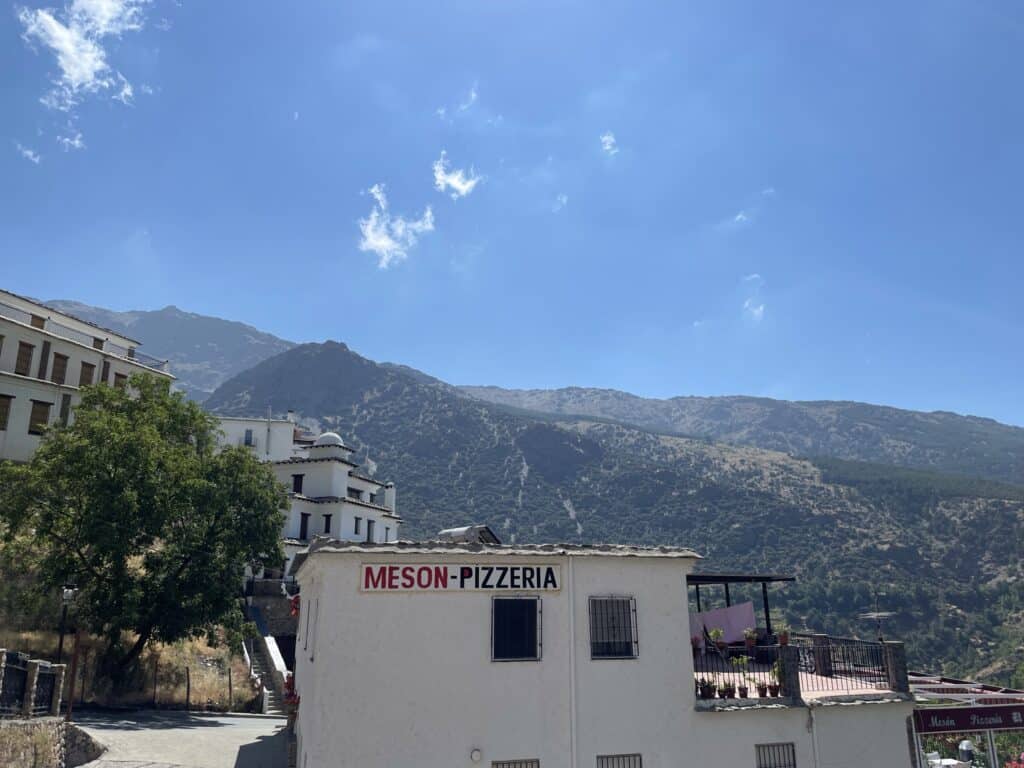
    At 1,486 meters above sea level, Trevélez holds the distinction of being mainland Spain’s highest village. Perched dramatically on the southern slopes of the Sierra Nevada, this whitewashed Alpujarran village offers pure mountain air, stunning alpine views, and a pace of life dictated by centuries-old traditions.

    The village is famous throughout Spain for its jamón serrano, cured in the clean mountain air at this altitude. But beyond its culinary reputation, Trevélez provides an excellent base for exploring the Sierra Nevada’s hiking trails, including routes to Mulhacén, mainland Spain’s highest peak.

    The village itself invites peaceful exploration with its narrow streets, traditional architecture, and mountain vistas. Local workshops still produce traditional crafts, while village bars serve hearty mountain food. The thin air and dramatic setting create a sense of being removed from the modern world, making Trevélez perfect for those seeking genuine mountain tranquility.

    best-destinations-in-spain-trevelez

    Don’t eat pizza in Trevélez though, eat JAMON! Or eat pizza with JAMON!

    Best destinations in Spain: Historical Places to Visit

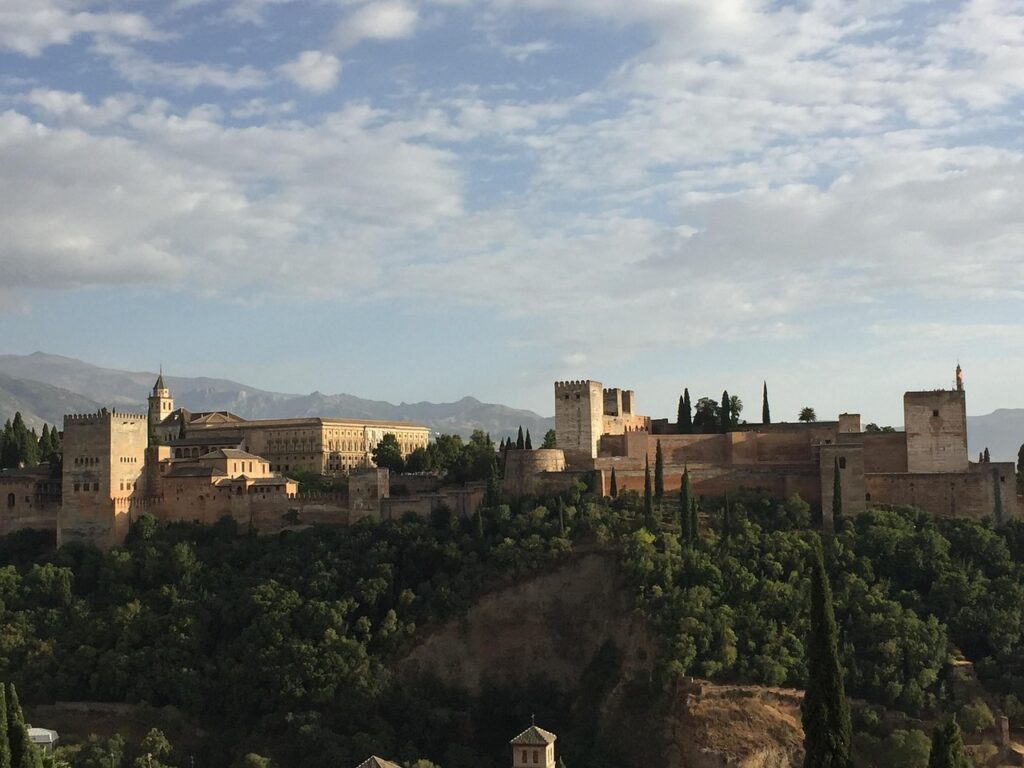
    1. Historical places to visit in Spain: Granada, Andalusia

    • Historical Period: Nasrid Kingdom (13th-15th century
    • UNESCO Status: Alhambra and Generalife World Heritage Site
    • Must-See Features: Alhambra complex, Nasrid Palaces, Generalife gardens

    Granada represents the final chapter of eight centuries of Muslim rule in Spain. The Alhambra palace complex stands as perhaps Europe’s finest example of Islamic architecture, with intricate geometric patterns, peaceful courtyards, and gardens that represent paradise on earth.

    The Albaicín neighborhood, with its narrow streets and traditional carmenes (houses with gardens), preserves the atmosphere of medieval Al-Andalus.

    best-destinations-in-spain-alhambra

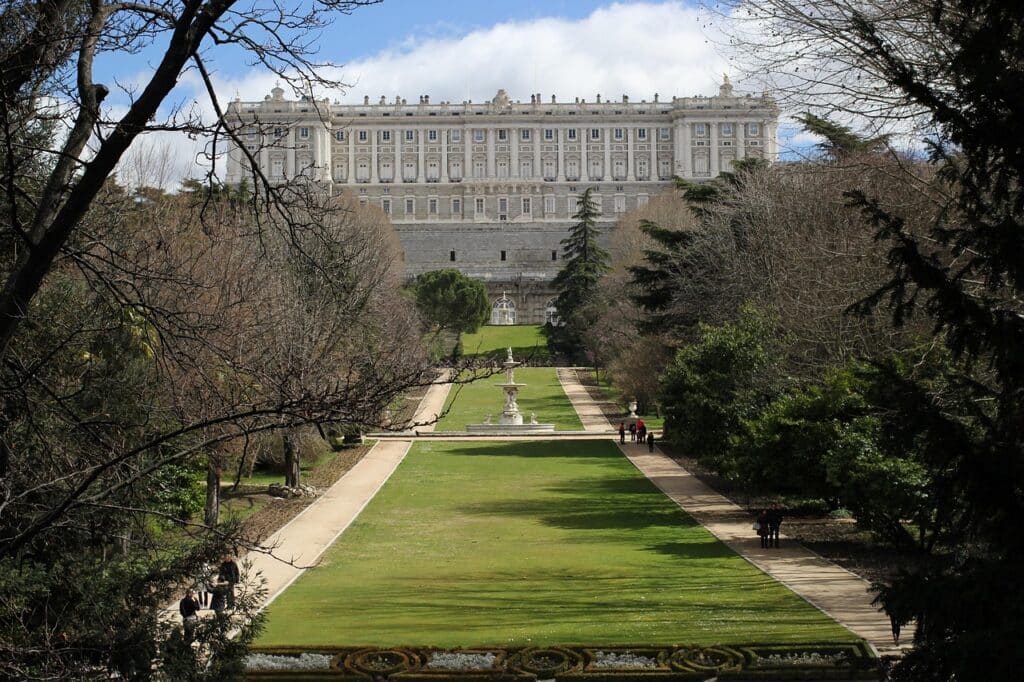
    2. Historical places to visit in Spain: Madrid and surroundings

    • Historical Period: Habsburg and Bourbon dynasties, Golden Age
    • UNESCO Status: Multiple protected sites
    • Must-See Features: Prado Museum, Royal Palace, historic neighborhoods, Toledo city

    Spain’s capital showcases centuries of imperial history through world-class museums, royal palaces, and atmospheric neighborhoods. The Golden Triangle of Art – Prado, Reina Sofía, and Thyssen-Bornemisza museums – houses masterpieces by Velázquez, Goya, Picasso, and other Spanish masters.

    The Royal Palace, with over 3,000 rooms, represents European royal grandeur at its peak. Habsburg Madrid, centered around Plaza Mayor and the labyrinthine streets of La Latina, preserves the character of Spain’s Golden Age capital.

    From Madrid you can also do a 1 day trip to the medieval city of Toledo. You can check more information about Toledo in one of my articles.

    best-destinations-in-spain-royal-palace-madrid

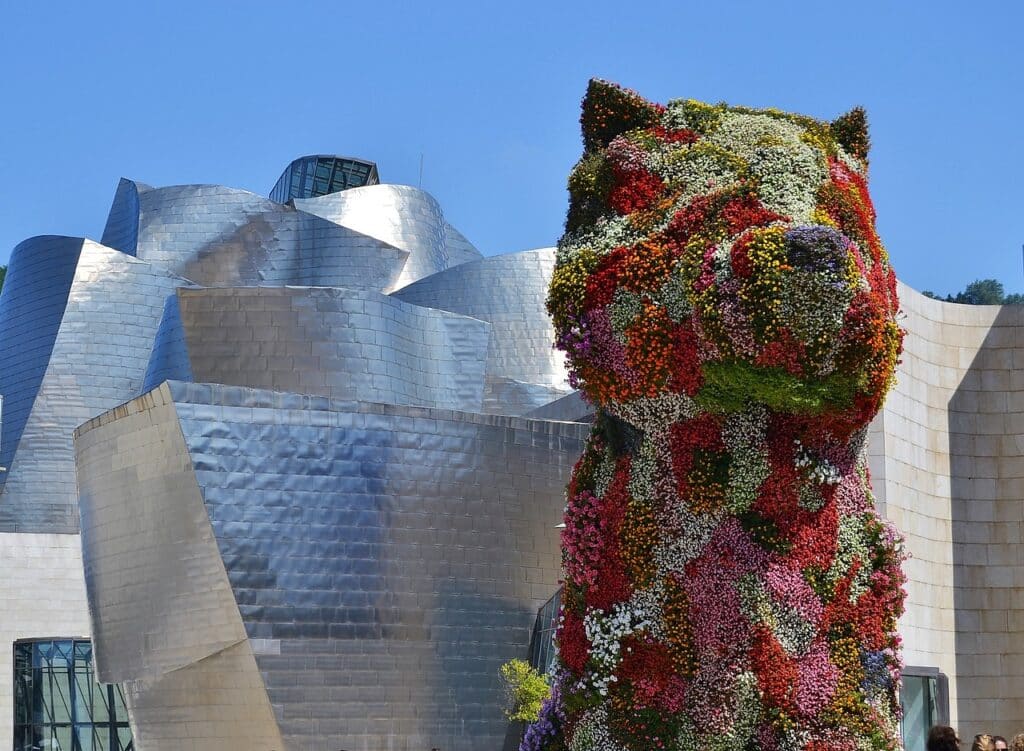
    3. Historical places to visit in Spain: Bilbao, Basque Country

    • Historical Period: Industrial revolution to contemporary cultural renaissance
    • UNESCO Status: Various protected industrial heritage sites
    • Must-See Features: Guggenheim Museum, Casco Viejo, industrial heritage

    Bilbao exemplifies successful urban transformation from industrial port to cultural capital. The titanium-clad Guggenheim Museum revolutionized the city’s image, but the historic Casco Viejo (Old Quarter) preserves centuries of Basque culture and tradition.

    The city’s remarkable transformation showcases how industrial heritage can coexist with cutting-edge architecture and world-renowned gastronomy.

    best-destinations-in-spain-bilbao

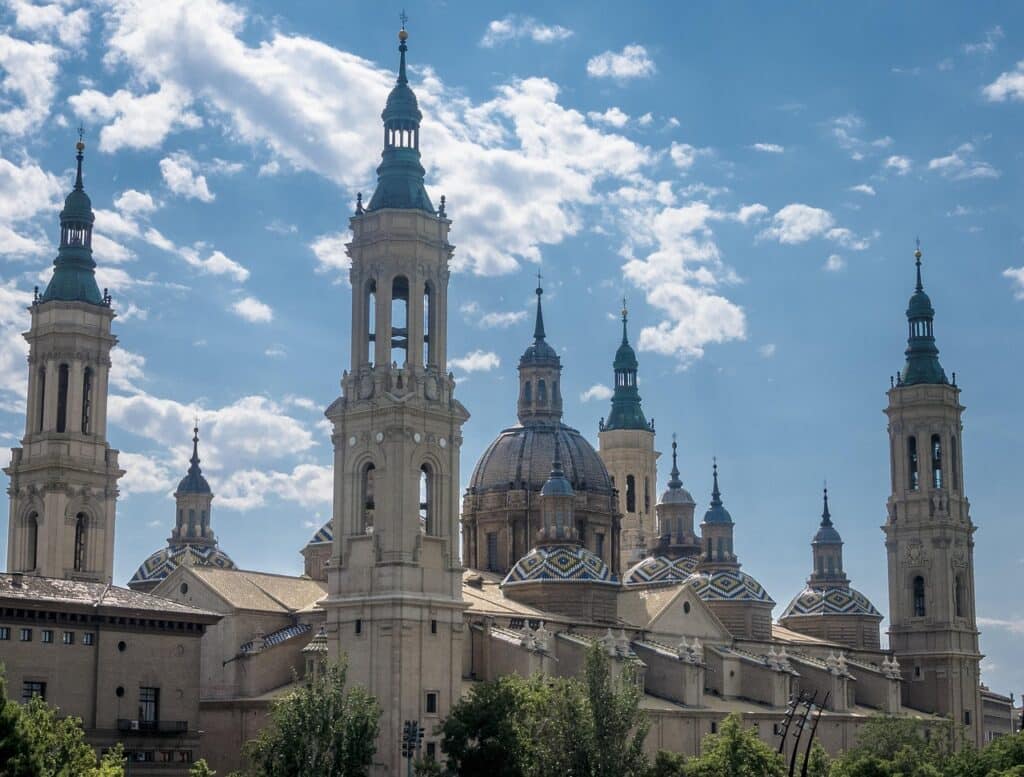
    4. Historical places to visit in Spain: Zaragoza, Aragon

    • Historical Period: Roman, Moorish, Christian (multi-layered history)
    • UNESCO Status: Mudéjar Architecture World Heritage Site
    • Must-See Features: Basilica del Pilar, Aljafería Palace, Roman walls

    Zaragoza reveals 2,000 years of continuous occupation through Roman walls, Moorish palaces, and Christian basilicas. The Basilica del Pilar, one of Spain’s most important pilgrimage sites, dominates the Ebro River skyline.

    The Aljafería Palace showcases exquisite Moorish architecture, while Roman Caesaraugusta remains visible throughout the modern city.

    best-destinations-in-spain-zaragoza-aragon

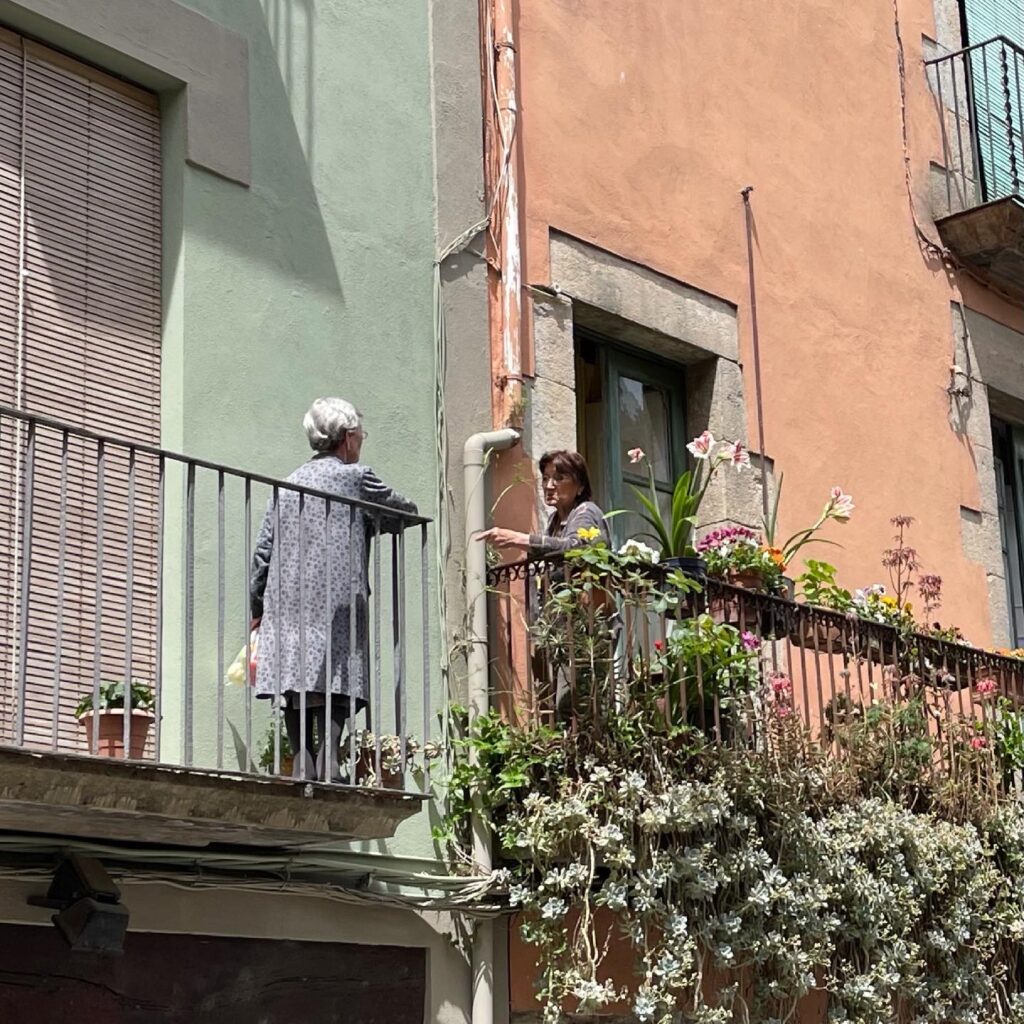
    5. Historical places to visit in Spain: Girona, Catalonia

    • Historical Period: Roman, medieval, Jewish heritage
    • UNESCO Status: Various protected medieval sites
    • Must-See Features: Jewish Quarter, colorful riverside houses, medieval walls

    Girona’s perfectly preserved medieval center includes one of Europe’s best-preserved Jewish quarters. The colorful houses along the Onyar River create one of Spain’s most photographed scenes, while the cathedral’s Gothic nave is among the world’s widest.

    Game of Thrones filming brought international attention, but Girona’s medieval charm and excellent gastronomy scene ensure lasting appeal.

    ladies-chatting-in-girona-spain

    – not the typical Girona photo, focused on historical heritage, but I hope it is giving a vibe –

    Best destinations in Spain: Hidden Gems

    1. Hidden gems in Spain: Güímar, Tenerife

    • What Makes It Special: Mysterious step pyramids and astronomical phenomena
    • Crowd Level: Locals and curious travelers, no mass tourism
    • Best For: History buffs and mystery enthusiasts

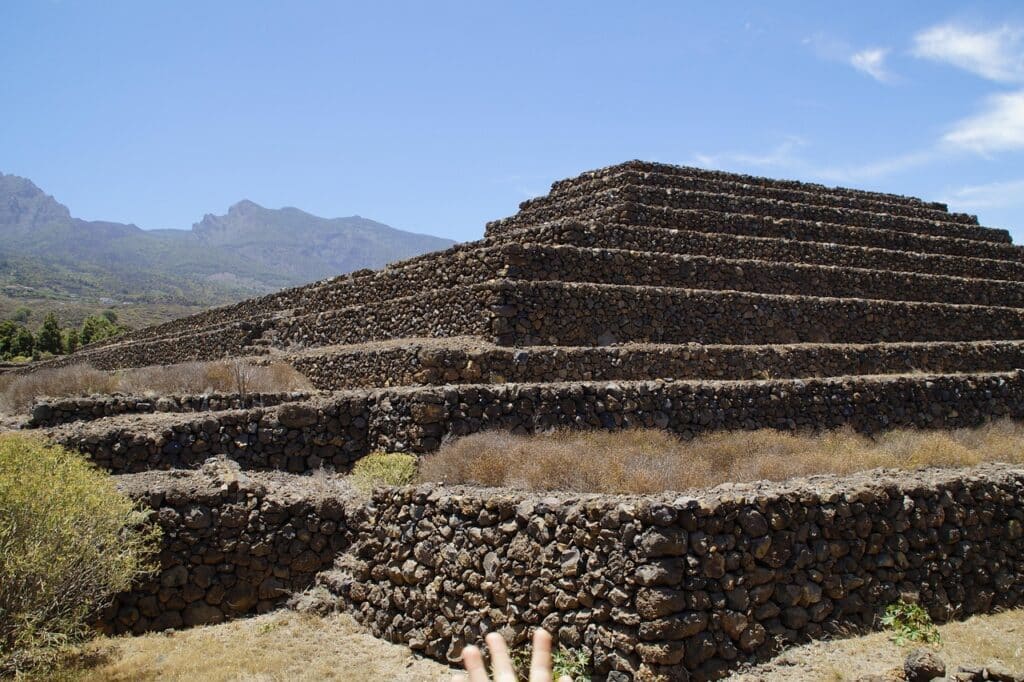
    The Güímar Pyramids remain one of Spain’s most intriguing mysteries. These six step pyramids, built from volcanic stone without mortar, puzzled researchers until Norwegian explorer Thor Heyerdahl studied them in the 1990s. His research suggested possible astronomical alignments and transoceanic cultural connections.

    The Ethnographic Park now surrounding the pyramids explores various theories about their origin and purpose, while botanical gardens showcase plants from around the world.

    hidden-gems-in-spain-guimar-tenerife

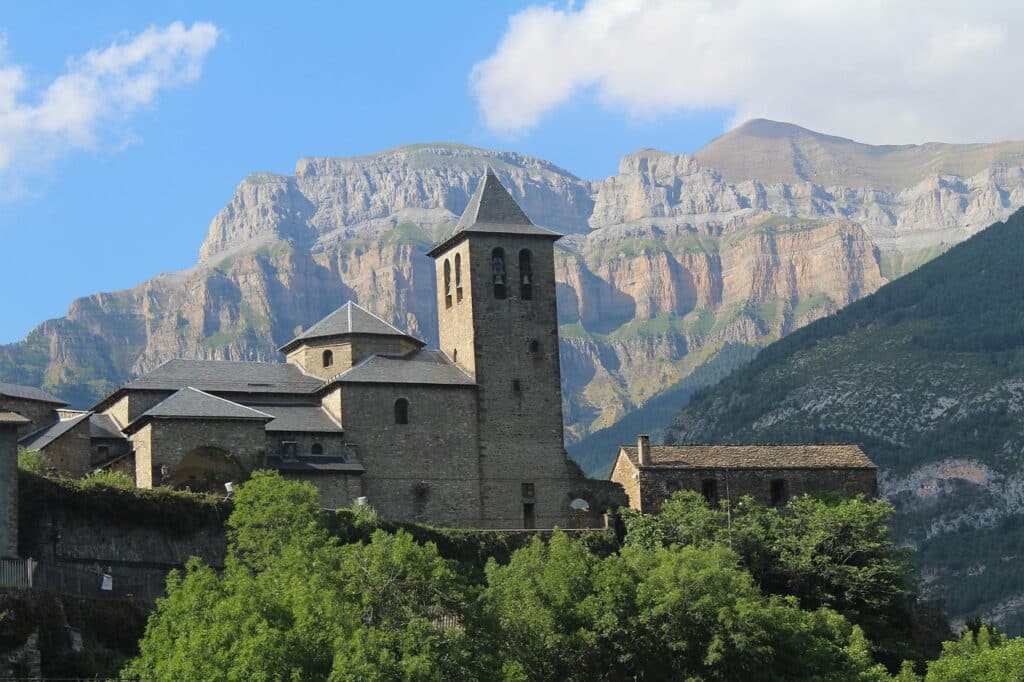
    2. Hidden gems in Spain: Torla-Ordesa, Aragon

    • What Makes It Special: Gateway to Ordesa y Monte Perdido National Park
    • Crowd Level: Nature lovers but not overcrowded
    • Best For: Serious hikers and nature photographers

    This traditional Pyrenean village provides access to one of Spain’s most spectacular national parks. Ordesa y Monte Perdido offers dramatic limestone canyons, cascading waterfalls, and some of Europe’s most challenging mountain hiking.

    The village itself preserves traditional Aragonese architecture with stone houses and slate roofs, while serving as base camp for serious mountain adventures

    hidden-gems-in-spain-torla-ordesa

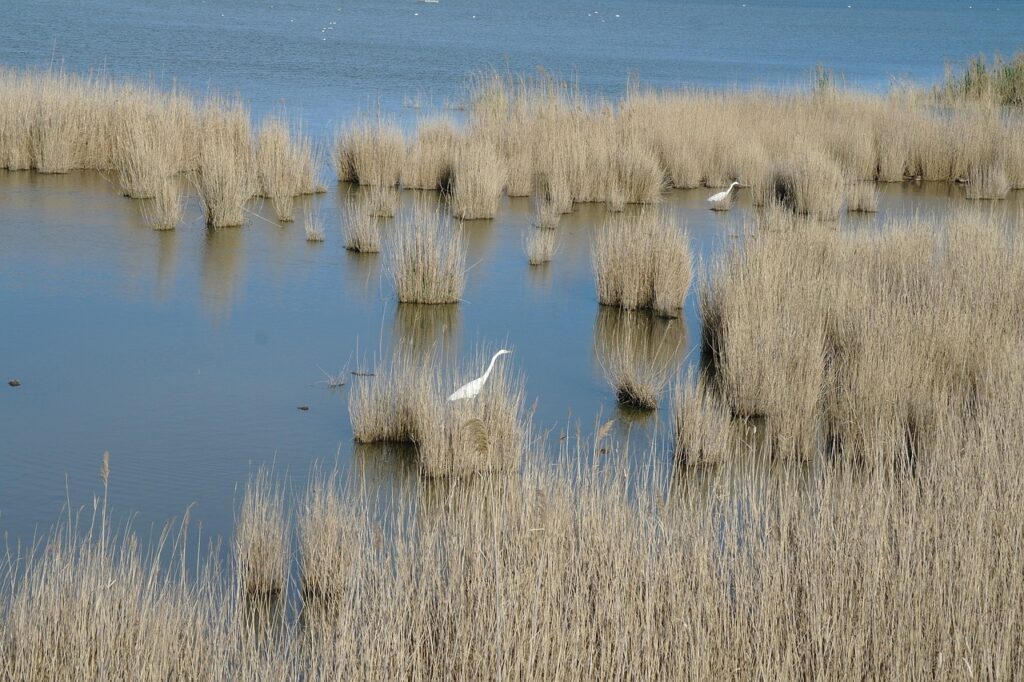
    3. Hidden gems in Spain: Ebro Delta, Catalonia

    • What Makes It Special: Spain’s largest wetland with unique ecosystem
    • Crowd Level: Birdwatchers and nature enthusiasts mainly
    • Best For: Birdwatching, beach camping , eco-tourism

    Spain’s largest wetland creates a unique landscape of rice fields, lagoons, and salt flats. Over 300 bird species, including flamingos, make this a premier birdwatching destination, while traditional fishing and rice cultivation continue centuries-old practices.

    The delta’s flat landscape and endless sky create a sense of infinite space rarely found in crowded Spain

    hidden-gems-in-spain-ebro-delta

    4. Hidden gems in Spain: Tabernas, Andalusia

    • What Makes It Special: Europe’s only desert with Wild West film sets
    • Crowd Level: Day-trippers and Western movie fans
    • Best For: Unique landscapes and film history enthusiast

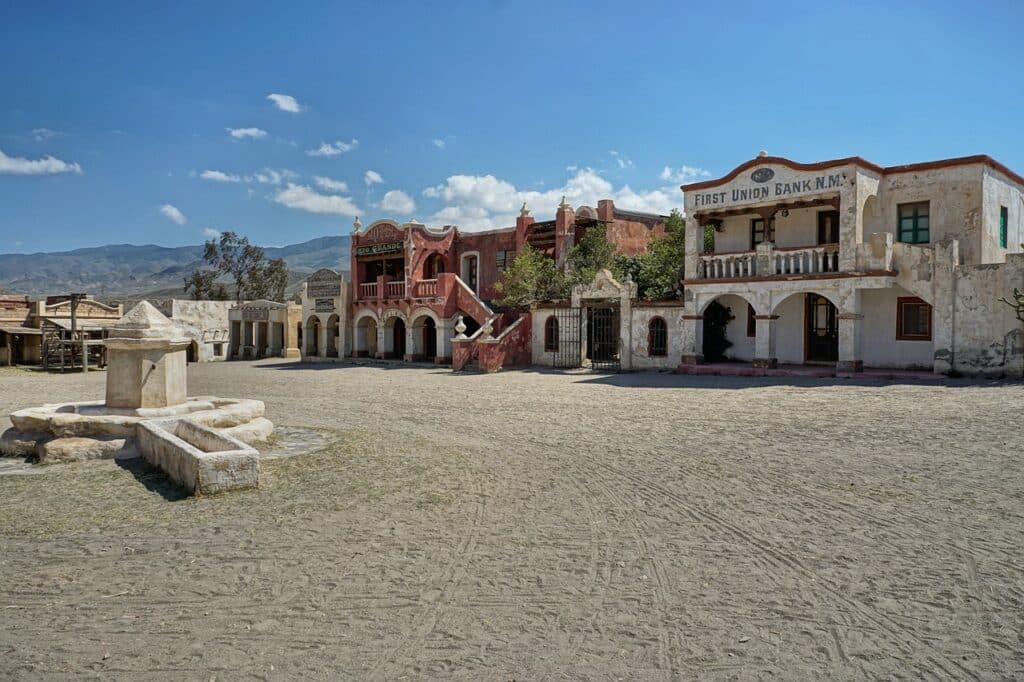
    Europe’s only true desert provided the backdrop for countless spaghetti westerns, including many Clint Eastwood films. The lunar landscape, complete with film sets and ghost towns, creates a uniquely European Wild West experience. You can also experiment thematic parks on this theme.

    The desert’s harsh beauty and film history make it unlike anywhere else in Spain.

    hidden-gems-in-spain-tabernas-hollywood

    5. Hidden gems in Spain: Cadaqués, Catalonia

    • What Makes It Special: Salvador Dalí’s coastal village and artistic inspiration
    • Crowd Level: Art lovers and sophisticated travelers
    • Best For: Art enthusiasts and Mediterranean charm seekers

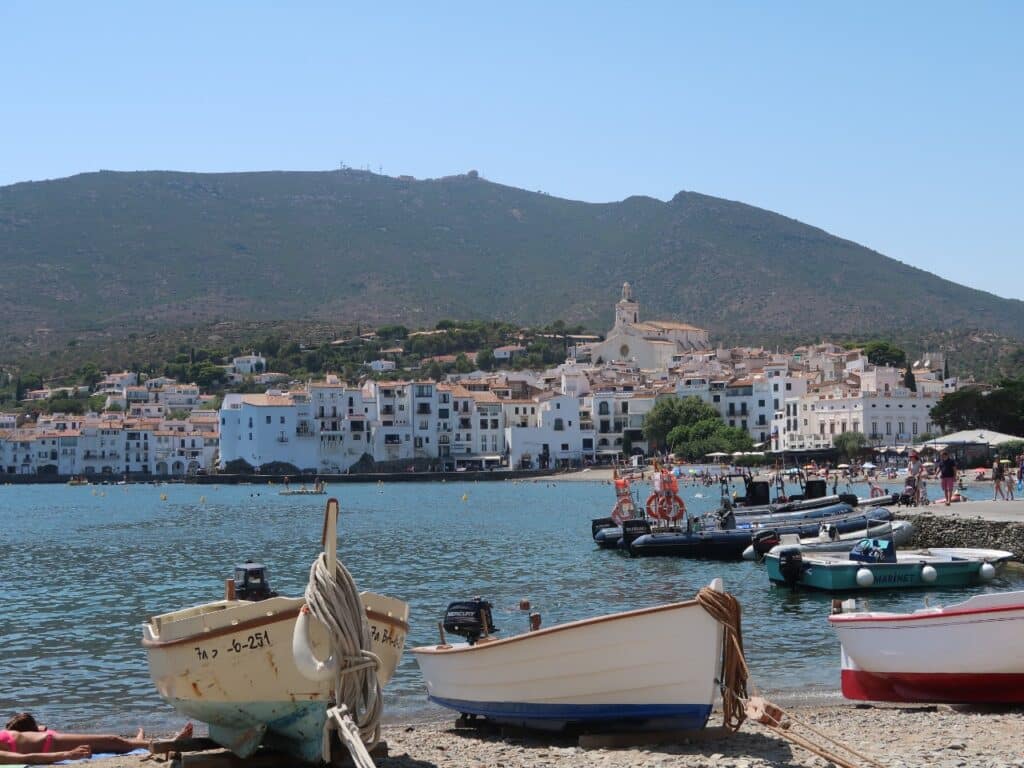
    This pristine Mediterranean fishing village inspired Salvador Dalí throughout his career. His house-museum at nearby Port Lligat reveals intimate details of the artist’s life, while the village itself maintains the timeless beauty that attracted him.

    White-washed houses, crystal-clear waters, and artistic heritage create a sophisticated coastal retreat.

    Even though only Cadaques made it for this top, the whole Costa Brava has plenty of interesting destinations to offer. You can read more about this in my article about the best places in Costa Brava.

    hidden-gems-in-spain-cadaques-costa-brava

    Best destinations in Spain: Best Places in Spain for Nightlife

    1. Best Places in Spain for nightlife: Ibiza

    • Nightlife Type: World-class superclubs and beach parties
    • Peak Hours: Midnight to 8 AM, peak season June-September
    • Neighborhood: San Antonio for sunset bars, Ibiza Town for clubs

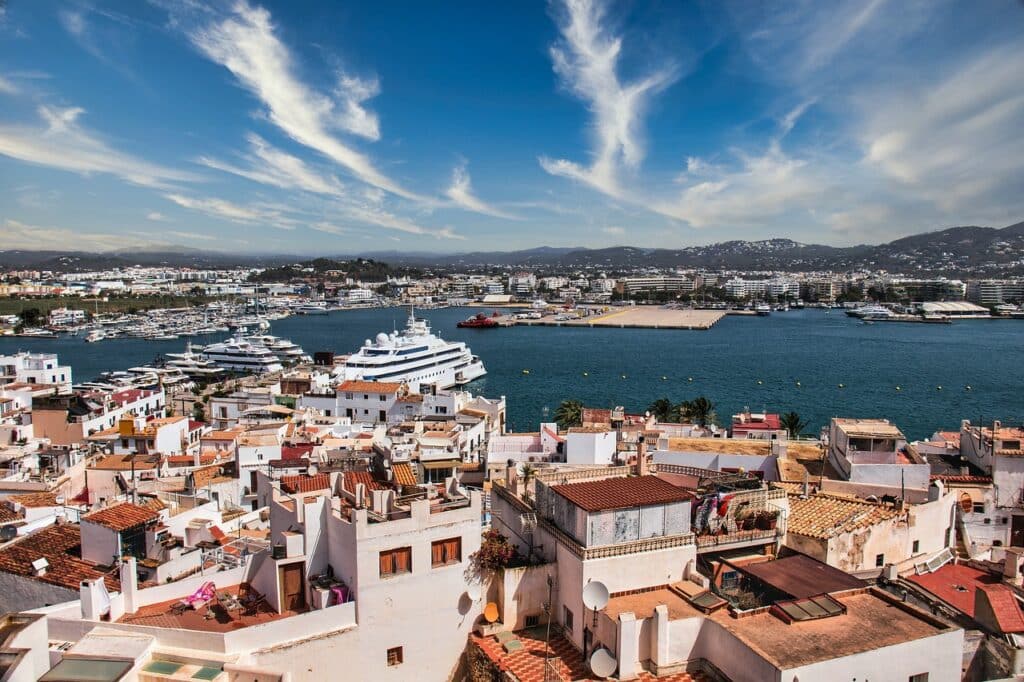
    Ibiza reigns as the world’s undisputed party capital. Legendary venues like Pacha, Amnesia, and Ushuaïa host world-renowned DJs throughout the summer season. The island’s unique combination of beautiful beaches, stunning sunsets, and unparalleled club culture creates an unmatched party atmosphere.

    Beyond the superclubs, beach bars, boat parties, and after-hours venues ensure the party never stops during peak season.

    best-places-in-spain-for-nightlife-ibiza

    2. Best places in Spain for nightlife: Lloret de Mar, Catalonia

    • Nightlife Type: Budget-friendly party destination and beach clubs
    • Peak Hours: 10 PM to 4 AM, busy April-October
    • Neighborhood: Central beach area and Carrer Sant Pere

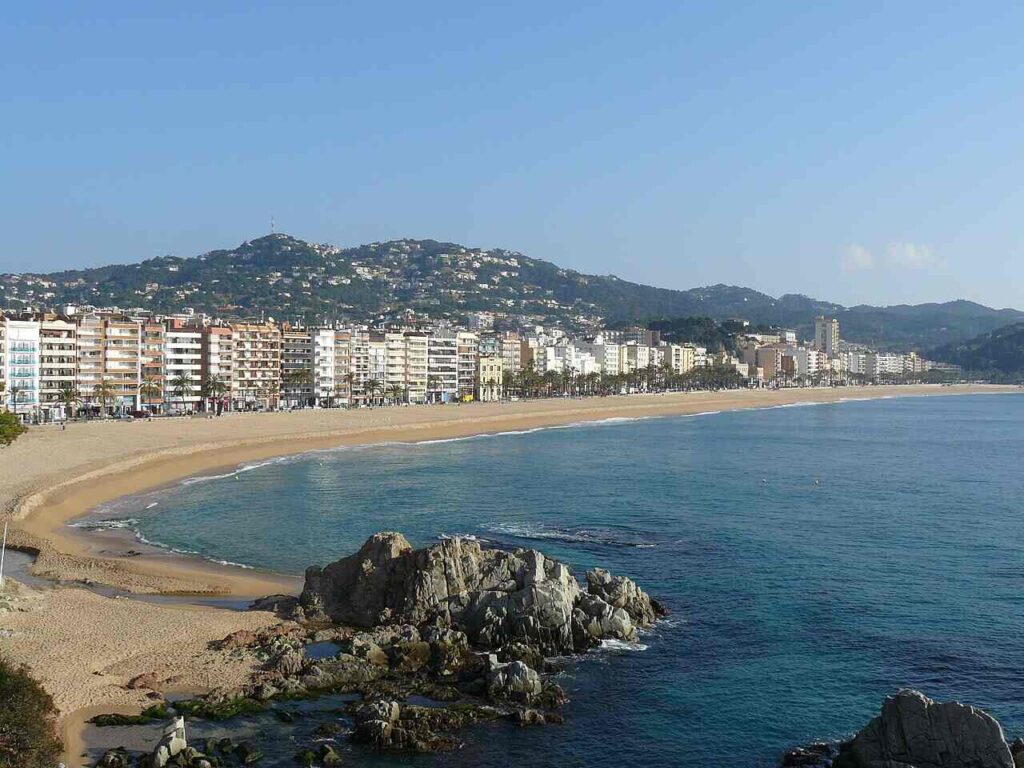
    Lloret de Mar offers accessible partying for younger crowds and budget travelers. The central beach area transforms into party central each evening, with numerous bars, clubs, and beach venues catering to international visitors.

    While less sophisticated than other destinations, Lloret provides energetic nightlife at affordable prices along the beautiful Costa Brava.

    best-places-in-spain-for-nightlife-lloret-del-mar

    3. Best places in Spain for nightlife: Barcelona, Catalonia

    • Nightlife Type: Sophisticated clubs, rooftop bars, and cultural nightlife
    • Peak Hours: Midnight to 6 AM, year-round scene
    • Neighborhood: El Born, Gràcia, Barceloneta for beach clubs

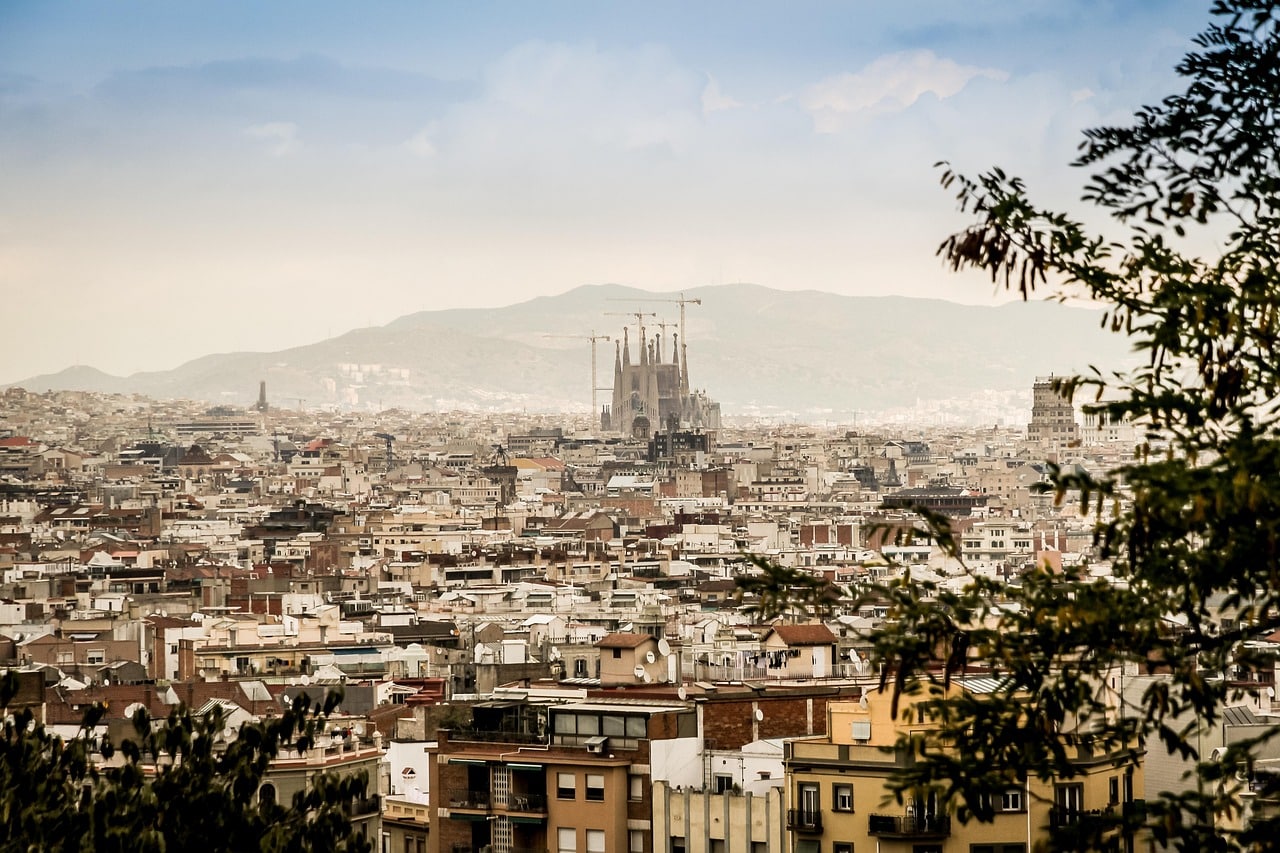
    Barcelona combines world-class clubbing with cultural sophistication. From underground venues in El Born to beachfront clubs in Barceloneta, the city offers diverse nightlife experiences. Late-night tapas culture, rooftop bars with city views, and historic venues in the Gothic Quarter create a uniquely Barcelona night scene.

    The city’s cultural calendar ensures year-round nightlife beyond the typical party season. More than these, almost each neighbourhood in Barcelona, organizes its own “fiestas”. A 3-4 days long party, with music, drinks, costumes, fireworks and carnival-like floats.

    If you are interested in reading more about Barcelona you can get some ideas from my article about Barcelona.

    4. Best places in Spain for nightlife: Playa de las Américas, Tenerife

    • Nightlife Type: Year-round party destination with international atmosphere
    •  Peak Hours: 11 PM to 5 AM, peak winter months
    • Neighborhood: Veronica’s Strip and surrounding resort areas

    Tenerife’s party capital offers year-round clubbing in perpetual sunshine. The famous Veronicas Strip concentrates dozens of bars and clubs in a compact area, while surrounding resorts provide additional venues.

    The winter season attracts European partygoers escaping cold weather, creating a unique warm-weather party destination.

    best-placces-in-spain-for-nightlife-tenerife

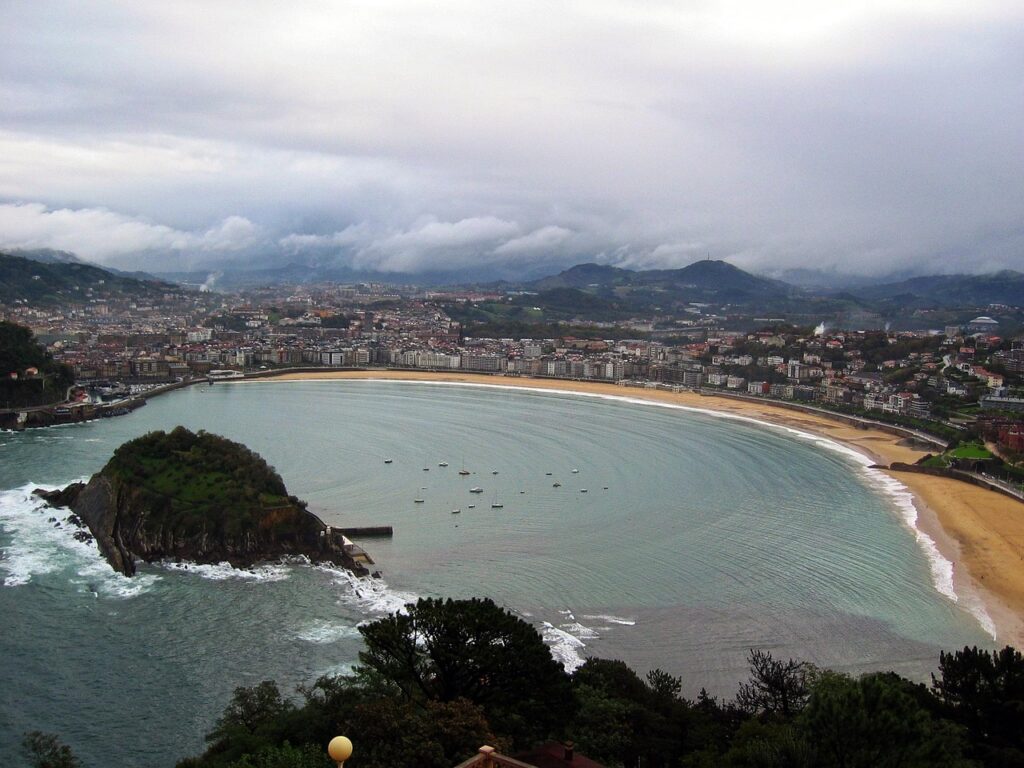
    5. Best places in Spain for nightlife: San Sebastián, Basque Country

    • Nightlife Type: Sophisticated pintxos crawls and upscale nightlife
    • Peak Hours: 9 PM for pintxos, midnight for bars/clubs
    • Neighborhood: Parte Vieja (Old Town) for pintxos, Gros for modern venue

    San Sebastián elevates nightlife to an art form through its legendary pintxos culture. The Parte Vieja (Old Town) offers sophisticated bar-hopping experiences where world-class cuisine meets social drinking.

    Beyond pintxos bars, the city provides upscale clubs and venues that attract a sophisticated crowd seeking refined nighttime entertainment.

    best-places-in-spain-san-sebastian

    Planning Your Spanish Adventure

    Each of these 20 destinations offers unique experiences that showcase Spain’s incredible diversity. From mountain tranquility to desert adventures, from royal palaces to party beaches, Spain provides authentic experiences for every type of traveler.

    Consider combining destinations from different categories to create a well-rounded Spanish adventure that includes cultural immersion, natural beauty, and vibrant nightlife. The country’s excellent transportation network makes multi-destination trips practical and rewarding.

    Spain rewards travelers who venture beyond the obvious choices with authentic experiences, warm hospitality, and memories that last a lifetime.

    Conclusion

    The beauty of choosing among the best destinations in Spain lies in having options that perfectly match your travel personality and current mood. If you crave peace and authentic mountain culture, these quiet places in Spain like Siurana’s cliff-top tranquility or Trevélez’s high-altitude serenity offer profound quiet away from tourist crowds. For those energized by vibrant social scenes, the best places in Spain for nightlife – from Ibiza’s legendary superclubs to Barcelona’s sophisticated bar scene – provide endless excitement and cultural immersion.

    History enthusiasts can explore the historical places to visit in Spain through Granada’s Moorish palaces, Madrid’s imperial grandeur, or Girona’s perfectly preserved medieval streets. Meanwhile, adventure seekers drawn to unique experiences will discover Spain’s hidden gems in Spain – from the mysterious Güímar Pyramids to Europe’s only desert in Tabernas – offering discoveries that most visitors never encounter.

    When deciding where to go in Spain, you might start your morning exploring Roman walls in Zaragoza, spend your afternoon hiking through the Pyrenees near Torla-Ordesa, and end your evening sampling world-class pintxos in San Sebastián’s sophisticated bars. Or you could choose the opposite approach – dedicating your entire trip to mountain solitude in places like La Seu d’Urgell or North Tenerife’s authentic villages.

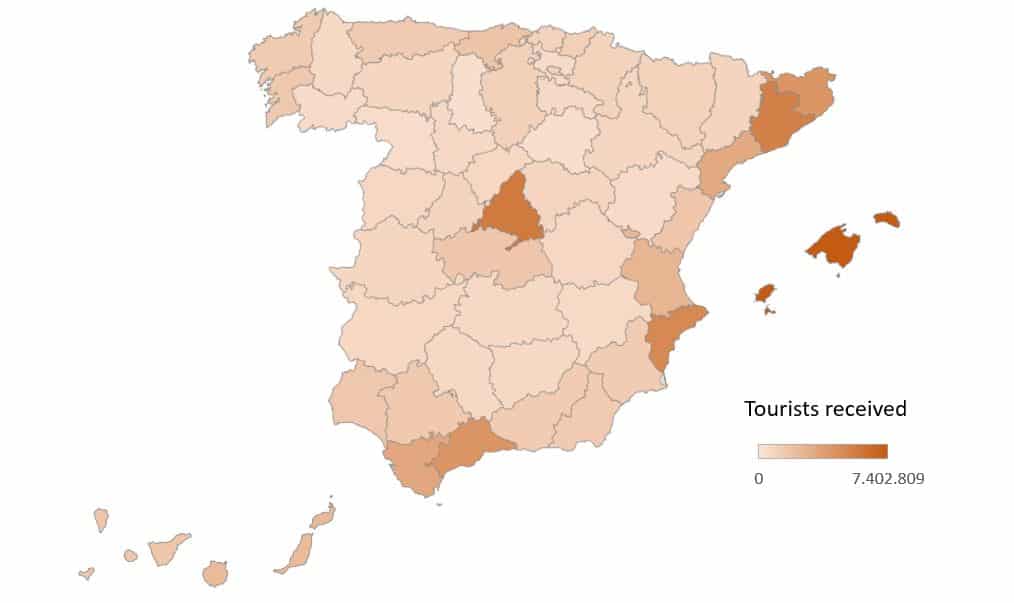
    The accompanying infographic reveals the tourist density of each destination, helping you choose based on whether you thrive in popular, well-serviced locations or prefer more secluded, authentic experiences. Some travelers seek the energy of crowds and established infrastructure, while others find their perfect Spain in villages with fewer than 30 residents.

    Whatever draws you to Spain – whether it’s the call of ancient history, the promise of mountain peace, the allure of undiscovered places, or the pulse of legendary nightlife – these twenty destinations ensure your Spanish adventure matches exactly what your travel soul is seeking.

    best-places-in-spain

    Have you visited any of these incredible Spanish destinations? We’d love to hear about your experiences! Share your travel stories, photos, and hidden discoveries with us on Instagram, or reach out with questions about planning your perfect Spanish getaway. And do not hesitate to read more of my articles for inspiration, or reach out for help.